
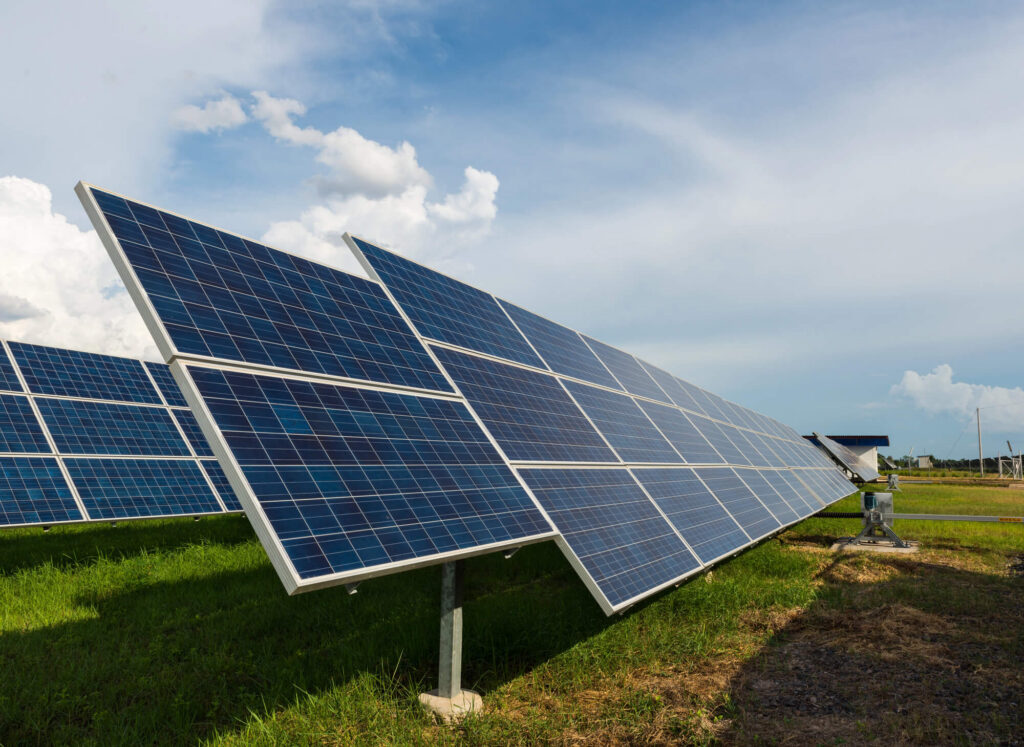
Solar panel recycling vs disposal is becoming increasingly important as more solar power systems reach the end of their working lives. Solar energy can provide low-carbon electricity for decades, but responsible end-of-life management is also essential. Recycling solar panels can recover valuable materials, while disposal can remove these resources from productive use.
Recycling solar panels recovers useful materials and supports the circular economy, making it preferable to disposal where practical.
Solar Panel Recycling vs Disposal: What Is the Difference?
Solar panel recycling involves processing unwanted or damaged photovoltaic modules so their materials can be recovered and used again. Depending on the panel design and recycling technology, this can include recovering glass, aluminium, silicon and metals.
Solar panel disposal means sending unwanted panels to a final waste treatment route without recovering the materials for productive reuse. Disposal sits lower in the waste hierarchy than recycling. UK waste policy places prevention and reuse above recycling, with disposal at the bottom of the hierarchy.
This distinction is particularly important for the growing solar industry. As more energy solar panels are installed, increasing numbers will eventually require repair, reuse, recycling or disposal.
Why Is Recycling Solar Panels More Sustainable?
Recycling solar panels can reduce the amount of useful material that becomes waste. A typical pv panel contains substantial quantities of glass and aluminium, as well as smaller amounts of silicon and other metals.
Recovering these materials can help keep resources within manufacturing supply chains. Instead of treating an old module as a product with no further value, recycling allows its components to enter another material cycle.
The environmental benefit depends on the entire recycling process. Collection, transportation and processing require energy and resources, so efficient logistics and appropriate treatment methods are important. A responsible recycling route should focus on recovering as much usable material as reasonably possible.
For the renewable energy solar sector, this approach supports a more circular model. Solar power systems can produce clean electricity during their operational life while their materials can also be managed responsibly at the end of that life.
What Happens When Solar Panels Are Disposed Of?
Disposal removes end-of-life panels from higher levels of the waste hierarchy. It can also mean that materials which could potentially be recovered are no longer available for another manufacturing cycle.
Solar panels should not simply be placed into general waste. In the UK, photovoltaic panels fall under the Waste Electrical and Electronic Equipment framework. Appropriate handling and treatment are therefore important, particularly because some types of photovoltaic panels can contain substances that require controlled management.
The Environment Agency guides facilities treating WEEE, including photovoltaic panels. The guidance covers the identification and treatment of different panel types and highlights the need to manage potentially hazardous materials appropriately.
For businesses, using a suitable waste management route can therefore support both environmental responsibility and compliance.
Can Solar Panels Be Reused Before Recycling?
Recycling is not always the first option. If a panel is still safe and functional, reuse may keep the product in service for longer.
A solar panel removed from a site may be suitable for another application if its condition, performance, and safety can be properly assessed. Repair or refurbishment may also be possible in some situations.
This makes early planning important. Businesses replacing solar power systems should assess whether modules can be reused before arranging recycling. Panels that are no longer suitable for reuse can then be directed towards an appropriate recycling route.
Keeping a product in use for longer can reduce the need for new manufacturing and delay the point at which the materials become waste.
What Materials Can Be Recovered from a PV Panel?
A PV panel contains several materials that can be recovered through specialist treatment. Glass is usually the largest material fraction, while aluminium frames can also provide a valuable recyclable resource.
Depending on the panel technology, recyclers may also recover silicon and other metals. The exact composition varies between crystalline silicon modules and thin-film technologies, so treatment methods need to account for the specific type of panel being processed.
Mechanical recycling can separate different components and prepare materials for further processing. Other technologies may be used for particular panel types or to improve the recovery of specific materials.
This is one reason specialist recycling solar panels is preferable to sending modules through unsuitable general waste routes. Proper treatment provides greater opportunity for material recovery.
Solar Panel Recycling and the UK Waste Hierarchy
The UK waste hierarchy provides a useful framework for understanding the difference between recycling and disposal. It prioritises waste prevention, preparation for reuse and recycling before other recovery and disposal.
For end-of-life solar panels, businesses can therefore consider whether the equipment can remain in use before looking at recycling. When reuse is not suitable, recycling can recover materials from the modules.
Disposal should be considered only when higher-level options are not technically or economically suitable. This approach helps reduce unnecessary waste and supports more efficient use of resources.
For the solar industry, following the waste hierarchy also connects renewable electricity generation with responsible resource management.
Environmental Impact of Recycling Solar Panels
Recycling solar panels still requires transport, handling and processing. These activities have an environmental footprint, so recycling should be managed efficiently.
However, recycling can prevent valuable materials from being unnecessarily lost through disposal. Recovered glass, aluminium, silicon and metals can potentially support further manufacturing processes, reducing pressure on virgin resources.
The sustainability of recycling therefore depends on what happens throughout the process. Collection distances, processing efficiency, recovery rates and the destination of recovered materials all influence the overall outcome.
Businesses should ask recyclers about their treatment processes and material recovery methods. Clear information about where panels go after collection can help organisations make informed waste management decisions.
How Businesses Can Manage End-of-Life Solar Panels
Businesses operating solar power systems should consider end-of-life management when planning installations, maintenance and replacements. The number of panels, their condition, location and technology can affect the appropriate recycling route.
A specialist recycling provider can arrange collection and treatment for commercial quantities of photovoltaic panels. This can simplify the process while helping businesses manage solar waste through a dedicated route.
For example, PV Recycling provides solar panel recycling services for businesses in the UK. Its service covers the collection and processing of end-of-life photovoltaic panels, with materials such as glass, aluminium and other components recovered through the recycling process.
Businesses can also learn more about the solar panel recycling process to understand how panels are dismantled and separated for material recovery.
For regulatory information, businesses should refer to the GOV.UK WEEE treatment guidance, which provides information about appropriate treatment requirements for photovoltaic panels.
Choosing Recycling Over Disposal
The comparison between solar panel recycling vs disposal becomes clearer when the full life cycle of a panel is considered. Recycling can return useful materials to the economy, while disposal provides fewer opportunities for resource recovery.
For businesses, recycling also supports the wider principles of the circular economy. Materials recovered from old panels can potentially be used again rather than relying entirely on virgin resources.
The best waste route depends on the condition and type of panel, available treatment options and applicable regulations. Where reuse is not practical, recycling solar panels provides a way to manage end-of-life modules while recovering valuable materials.
As renewable energy solar installations continue to expand, responsible waste management will become increasingly important. The solar industry therefore needs to consider not only how efficiently panels generate electricity, but also how responsibly they are managed when they reach the end of their useful lives.
Supporting a More Circular Solar Industry
The growth of solar power systems is increasing the need for effective end-of-life planning. More installations mean more future solar waste, making recycling capacity and responsible collection increasingly important.
Recycling can help connect renewable energy solar generation with the principles of resource efficiency. By recovering materials from old modules, businesses can reduce avoidable waste and support a more circular approach to photovoltaic technology.
Solar panel recycling should therefore form part of long-term planning for businesses using photovoltaic systems. When reuse is no longer practical, specialist recycling can provide a responsible alternative to disposal and help keep valuable resources in circulation.
Solar panel recycling vs disposal involves more than choosing a waste collection method. It is about deciding how end-of-life photovoltaic equipment should be managed and whether its valuable materials can remain in productive use.
Where practical, recycling offers greater opportunities for material recovery than disposal. Reusing suitable panels can provide an even higher-level option, while disposal should remain a final route when other suitable options are unavailable.
As the solar industry continues to grow, responsible recycling will become an increasingly important part of managing the complete life cycle of solar power systems.