
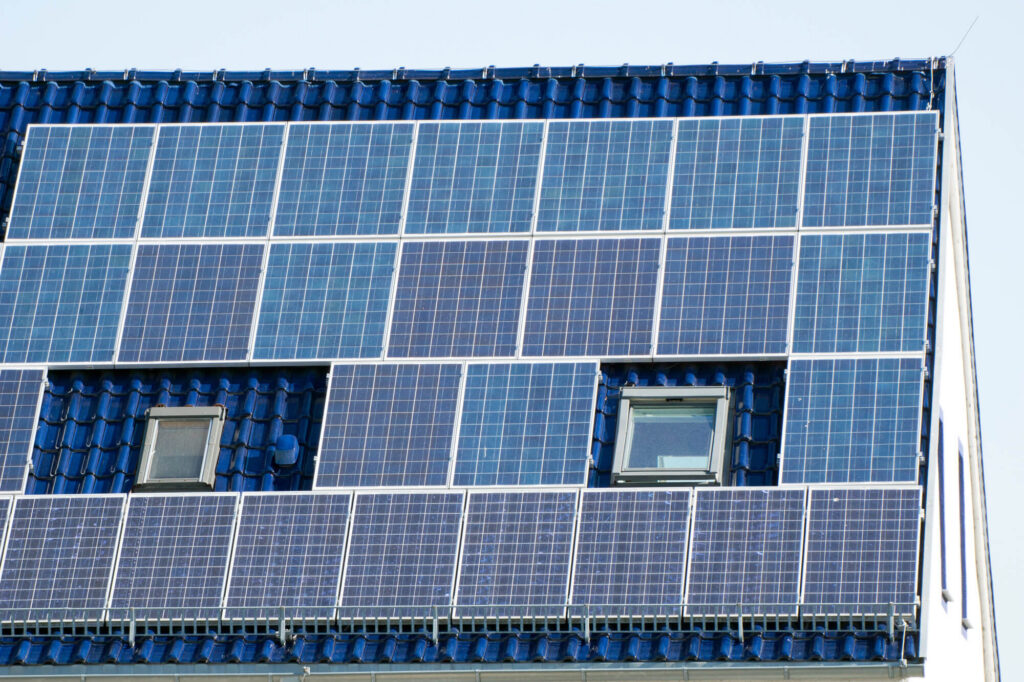
Designing solar panels for recycling means making materials and parts easier to separate, repair, reuse, and recover.
Why Solar Panel Design Matters for Recycling
Solar panels are built to make clean energy for many years. But their end-of-life stage also needs attention. As solar energy keeps growing, manufacturers have a chance to design panels that are easier to repair, take apart, sort, and recycle.
Modern solar panels contain valuable materials such as glass, aluminium, silicon, and copper. But these materials sit in layers with frames, junction boxes, backsheets, encapsulants, and adhesives. This can make separation harder when panels reach the end of their life.
The IEA PVPS has said that PV modules were not usually designed with end-of-life recycling as a main goal. Its design-for-recycling guidance suggests better material choice, easier disassembly, clearer labels, fewer hard-to-recycle materials, and less use of permanent adhesives.
This means panel recycling starts long before a module reaches a recycling site. The original design can shape how safely and well its materials are recovered.
Designing Solar Panels for Recycling
Design for recycling should start during product development. Engineers can look at how each part will be found, removed, and processed when a panel reaches the end of its working life.
One key change is to reduce permanent bonds where that is possible. Encapsulants and adhesives protect solar cells during use, but they can make separation and peeling harder. The IEA PVPS recommends reversible encapsulants and fewer non-reversible adhesives where performance, reliability, and safety allow.
Frames, junction boxes, and other parts could also be made easier to remove. If parts can be separated without damage, recyclers have a better chance to recover valuable materials.
Material choice matters too. Fewer mixed material combinations can make separation easier, and durable labels can help recyclers know what they are handling. The goal is not just fewer materials, but materials that are easier to identify, split, and recover.
Better Labelling and Material Information
Recyclers need trusted information about solar panel construction. Clear labels and digital product data could show the module type, material mix, encapsulant, backsheet, and key parts.
The IEA PVPS recommends durable labels for module construction and composition because they support safer and more efficient recycling. Standard labels could also make it easier to sort incoming panels and choose the right recycling process.
Better product information can support more than panel recycling. It can help decide whether a module should be reused, repaired, or recycled. Clear technical details and bill-of-materials data can reduce doubt when older panels are checked.
Making Solar Panels Easier to Repair and Reuse
Recycling is not always the first end-of-life option. Some solar panels may still have useful life and could be repaired, refurbished, or reused.
An IEA PVPS report published in 2026 found that repairing some PV module defects is technically possible, although labour, costs, and scale remain challenges. The report also points to part access, replaceability, and clearer bill-of-materials data as important for second-life PV modules.
Design for repair can extend the useful life of solar panels before material recovery is needed. More easy-to-reach junction boxes, replaceable parts, and standard test data can help operators find panels fit for reuse or repair.
This supports more reuse in the solar industry and keeps materials in use longer.
Common Design Could Improve Panel Recycling
Solar panels come in many designs, sizes, and material mixes. This variety can create problems for automated take-apart work, sorting, and material recovery.
More common design could give panel recycling and rebuild work steadier paths. Shared approaches to part placement, size, and material data could help recycling sites process panels more efficiently.
Common design does not mean every solar panel must look the same. Instead, manufacturers could agree on shared practices where they do not harm electrical performance, safety, durability, or innovation.
Designing for Higher-Quality Material Recovery
The success of panel recycling depends on more than how much material is recovered. The quality and purity of recovered materials matter too.
The latest IEA PVPS recycling update, published in 2026, reports clear gains in material recovery, process yield, and output purity. Mechanical recycling remains the main commercial method for crystalline-silicon modules, while thermal and chemical methods can reach higher recovery rates and purities for silicon, silver, and other materials in some uses.
Better panel design can support these recycling processes. Easier separation of glass, aluminium, silicon, copper, and other materials can reduce impurities and improve the quality of recovered outputs.
This matters even more as recovered materials may become a larger secondary supply for the growing solar energy industry. A September 2026 IEA PVPS report points to the role of materials recovered from retired PV systems in future resource supply.
What Manufacturers Should Change
Future solar panels should consider end-of-life management along with efficiency, reliability, durability, and cost. Design teams can check recyclability during product development instead of treating recycling as a separate issue after manufacture.
Reducing hard-to-separate materials, using more reversible connections, and giving clear material data could make panel recycling more efficient. Parts that often fail could also be made easier to access and replace.
But these changes must be balanced with long-term performance. Solar panels need to withstand moisture, heat, mechanical stress, and other conditions for many years. A recyclable design must still deliver the reliability expected from a clean energy product.
Why Design Changes Matter for the UK
The UK solar industry continues to grow, which means more panels will eventually need end-of-life management. Planning for recycling during product design can help reduce future pressure on collection, treatment, and recovery systems.
Better panel design can also support the UK’s circular economy by keeping glass, aluminium, silicon, and other materials in productive use. The IEA PVPS notes that rising PV waste creates both challenges and chances to recover valuable resources through recycling and other end-of-life routes.
For UK businesses, solar developers, and asset owners, choosing products with clear end-of-life data can also make future waste planning easier. Specialist solar panel recycling providers can then assess panels and direct them toward suitable reuse, recovery, or recycling routes.
From Design to Recycling: A Whole-Life Approach
A whole-life approach can make recyclability part of normal solar panel development. Manufacturers can test how easily frames, junction boxes, and laminate layers can be separated and use the results to improve future designs.
Recyclability testing can sit alongside electrical performance, reliability, and durability testing. This creates stronger evidence for manufacturers, buyers, recyclers, and regulators while encouraging more reuse across the solar panel life cycle.
The Future of Solar Panel Design
The next generation of solar panels should be designed for the full life cycle, not only the years when they make electricity.
Designing solar panels for recycling can make end-of-life work easier, improve material recovery, and support a more resilient solar energy supply chain. It can also help close the gap between rising solar deployment and responsible waste management.
The IEA PVPS design-for-recycling guidance gives manufacturers a practical base, while newer research is improving recycling processes, repair paths, and methods for circular material use.