
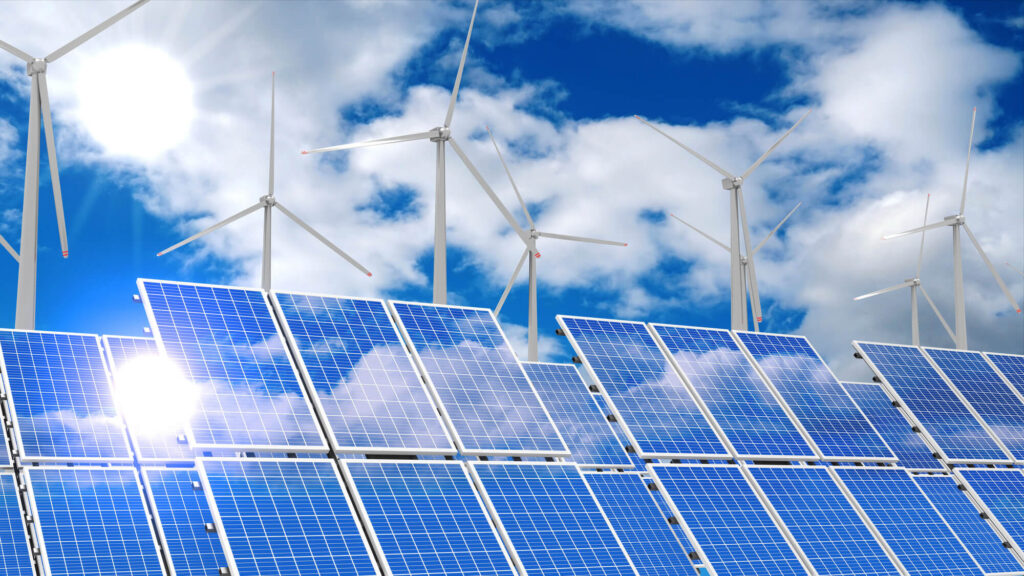
Solar panels can produce electricity on cloudy days because they respond to daylight, not only direct sunshine, and in heavy cloud the energy output usually falls rather than stops.
Can Solar Panels Generate Electricity on Cloudy Days?
Yes. PV cells use light to create electricity, so they can keep working when the sun is hidden by clouds. The exact amount depends on how much daylight reaches the panels; thin cloud has a smaller effect, while thick cloud cover can reduce energy output much more sharply.
This means solar panels will work in overcast weather, although panel performance may change throughout the day. For UK homes and businesses, that matters because cloudy conditions are common. Solar energy systems do not need clear blue skies every day to remain useful.
The Energy Saving Trust notes that solar panels generate electricity in cloudy weather, but they produce less energy than they do in strong sunshine.
How Solar Panels Produce Electricity in Cloudy Conditions
Solar panels contain PV cells that convert light into electricity. When daylight reaches the cells, an electrical current is created, and an inverter then converts that electricity into a form a property can use.
Clear skies provide stronger direct sunlight and usually let solar panels perform better. In cloudy conditions, sunlight is scattered as it passes through the clouds, but some light still reaches the cells. As a result, panel performance depends on the thickness and type of cloud. Bright overcast skies can still provide useful generation, while dark, heavy cloud can cause a noticeable drop in output.
Rain itself does not stop a solar PV system from operating. Heavy rain is often linked to thick cloud, however, so the available light can be lower at the same time.
How Much Energy Can Solar Panels Produce on a Cloudy Day?
There is no fixed amount of electricity that every system will produce in cloudy conditions. Panel performance depends on cloud cover, system size, roof orientation, shading, season, and the daylight hours available.
A lightly cloudy day may still allow a system to produce electricity at a reasonable level. Heavy cloud can cut energy output far more sharply.
The number of daylight hours also matters. Summer brings longer periods for solar generation, while winter days are shorter and sunlight levels are lower. For that reason, solar performance should be judged over weeks or months, not from a single cloudy day. Daily energy output naturally changes with weather and the seasons.
Does Cloudy UK Weather Affect Solar Energy?
Cloudy UK weather can reduce solar generation, but it does not make solar panels ineffective. Solar PV systems are designed to use the daylight available at their location, even when conditions are less than ideal.
Because UK weather changes often, solar generation can vary a great deal from one day to the next. A clear summer day can produce far more electricity than a dark winter day, yet solar energy remains a useful renewable source because panels can continue producing power whenever sufficient daylight reaches them.
The National Energy System Operator recognises solar generation as part of Great Britain’s electricity system and uses solar forecasting to estimate expected output.
What Affects Solar Panel Performance?
Cloud cover is only one factor. Shading from trees, buildings, and chimneys can also reduce the light reaching the cells.
Panel orientation and roof angle influence how much sunlight a system receives. In the UK, south-facing roofs are often the best fit for solar generation, although east- and west-facing roofs can still produce useful electricity.
The condition of the panels and inverter also affects performance. Dirt, damage, or equipment faults can lower energy output. Regular checks help identify issues before they reduce long-term generation.
Can Solar Batteries Help During Cloudy Weather?
Solar batteries help households use the electricity their solar panels generate more effectively.
When a system produces more electricity than the property needs, surplus energy can be stored in a battery. That stored power can then be used later when solar generation falls or after daylight hours.
A battery does not increase how much electricity the panels produce. Instead, it stores available solar energy for later use. This can be especially helpful when cloudy conditions change through the day and solar panels perform less consistently.
What Happens to Solar Panels at the End of Their Life?
Solar panels are built to work for many years, but they eventually reach the end of their useful life. At that stage, responsible recycling can recover valuable materials and reduce waste.
Solar PV modules contain glass, aluminium, silicon, and copper. Suitable recycling processes can separate and recover some of these materials for further use.
Planning for end-of-life management is therefore an important part of responsible solar development. As more solar panels are installed, the need for effective recycling infrastructure will also grow. You can read more about responsible recycling.
Solar Panels Can Still Work on Cloudy Days
So, can solar panels generate electricity on cloudy days? Yes. Solar panels can continue to produce electricity because PV cells use available daylight rather than relying only on direct sun.
Cloud cover can reduce energy output, but it does not automatically stop a solar PV system from working. Weather, daylight hours, shading, panel orientation, and equipment condition all affect panel performance.
For UK solar owners, long-term generation gives a more useful picture than one cloudy day. With suitable design and maintenance, solar panels will work and continue producing renewable electricity through changing weather.