
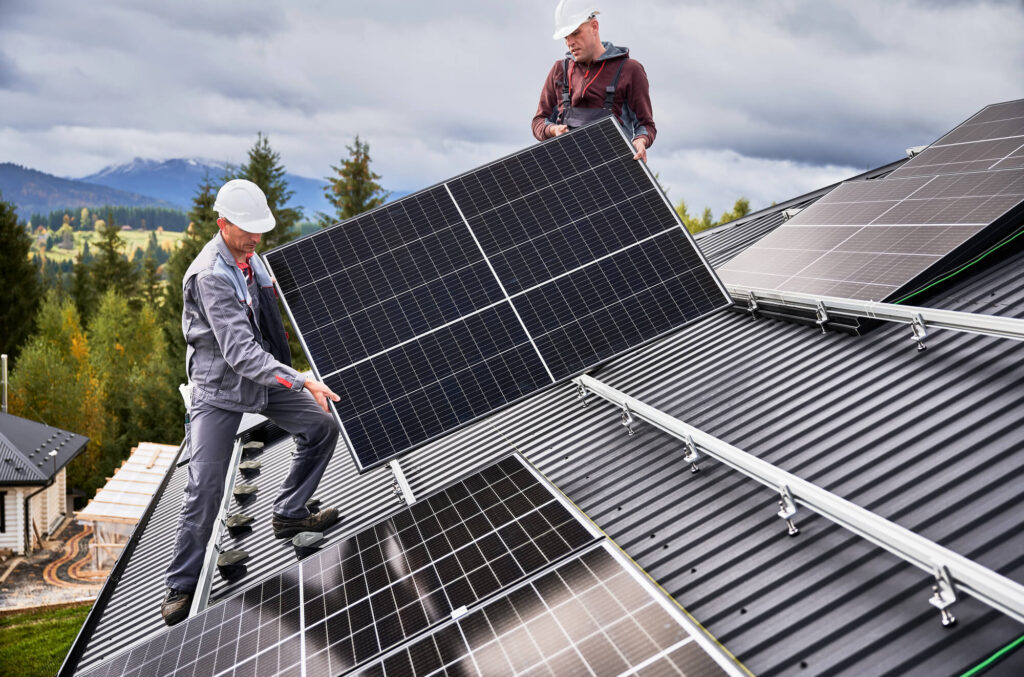
Solar panel degradation is the gradual reduction in electricity output as photovoltaic modules age. Heat, sunlight, moisture, and mechanical stress can affect performance over time. Monitoring and regular checks can help identify unusual losses and support long-term maintenance.
What Is Solar Panel Degradation?
Solar panel degradation is the gradual decline in a PV module’s ability to generate electricity. A new module produces its rated power under specific test conditions, but its solar cells and other components are exposed to outdoor conditions throughout their working life.
The degradation rate varies depending on the module technology, materials, climate, installation and operating conditions. Many modern solar panels are designed to maintain useful output for several decades, although their efficiency over time will gradually decline.
Normal ageing should not be confused with a sudden performance drop. A sharp reduction in electricity generation could result from shading, dirt, damaged components, electrical faults or other issues rather than ordinary solar panel degradation.
Why Does Solar Panel Performance Change Over Time?
Solar panels remain exposed to sunlight, high temperatures, rain, humidity, wind and repeated temperature changes throughout their operational life. These conditions can gradually affect the materials that protect the solar cells and maintain electrical connections.
Ultraviolet radiation can affect polymers and encapsulation materials inside a module. Long-term exposure may contribute to discolouration, material changes and reduced protection for the cells.
High temperatures can also influence solar panel efficiency. Repeated heating and cooling creates thermal stress because different materials expand and contract at different rates. Over many years, this wear and tear can contribute to cell cracks, connection problems and other forms of degradation.
Moisture is another factor. If water enters areas that should remain sealed, it can contribute to corrosion and material deterioration. Encapsulants, backsheets and electrical connections can all play a role in how a module responds to long-term environmental exposure.
Common Types of Solar Panel Degradation
One recognised form is light-induced degradation (LID). This can occur when solar cells are first exposed to sunlight and may cause an early reduction in power output. Modern cell technologies and manufacturing processes have helped reduce some forms of LID, although light-related effects remain relevant when assessing PV performance.
Potential induced degradation (PID) is another issue that can affect solar modules. It is associated with electrical conditions within a PV system and can lead to significant power losses in affected modules. The severity can depend on module design, system voltage, environmental conditions and other factors.
Cell cracks can also affect performance. Cracks may occur during manufacturing, transportation or installation and can develop further as modules experience thermal and mechanical stress. Where cracks interrupt electrical pathways, the affected solar cells may produce less electricity.
Encapsulant discolouration and delamination can reduce the amount of sunlight reaching the cells or weaken the protection provided by the module. Backsheet deterioration may also increase the risk of moisture entering the panel.
Other components can fail without being examples of material degradation. Junction boxes, bypass diodes, cables and connectors may develop faults that reduce system output. For this reason, a reduction in generation should be investigated rather than automatically attributed to normal solar panel degradation.
How Climate and Installation Affect Degradation
The degradation rate of solar panels can vary considerably depending on where and how they are installed. High temperatures, strong UV exposure, humidity, salt air, wind and large temperature changes can place different stresses on PV modules.
Installation quality can also influence long-term performance. Incorrect mounting, excessive mechanical pressure or poor ventilation may contribute to premature problems. Shading and surface dirt can reduce electricity generation as well, but these issues are not necessarily permanent degradation.
This makes it important to consider the conditions of a specific solar system rather than applying one degradation rate to every installation. Module technology, climate, materials, and operating conditions can all affect efficiency over time.
How Can Solar Panel Degradation Be Monitored?
Regular checks can help identify whether a solar system is experiencing normal ageing or an unexpected performance problem. Comparing current electricity generation with historical system data can reveal changes that may require further investigation.
Monitoring should take account of sunlight levels, temperature, shading and soiling before concluding that a panel has degraded. If output falls unexpectedly, a professional installer or qualified technician can inspect the system and test individual components.
Specialist testing can include infrared imaging, electroluminescence testing and current-voltage measurements. These methods can help identify hot spots, cell cracks, electrical faults and other problems that may not be visible during a standard visual inspection.
Routine maintenance can also support long-term solar panel efficiency. Cleaning when appropriate, checking mounting structures and reviewing system performance can help detect issues before they become more serious.
What Happens When Solar Panels Reach the End of Their Lifespans?
Solar panel degradation does not automatically mean a module needs to be removed. A panel can continue producing electricity after its output has declined, depending on its condition and the requirements of the system.
Eventually, however, replacement may become practical because of reduced generation, physical damage, safety concerns, system upgrades or project requirements. When solar panels are removed, responsible end-of-life management becomes important.
Solar panels contain recoverable materials, including glass, aluminium and various metals. Recycling can recover useful resources and reduce the amount of material sent for disposal.
For businesses and large solar projects, planning for solar panel recycling before panels reach the end of their panel lifespans can make waste management more organised. It can also support a more circular approach to renewable energy.
Why Solar Panel Degradation Matters for Recycling
Solar panel degradation connects the operational life of a PV system with its eventual end-of-life management. As more solar panels are installed, increasing numbers of modules will eventually require repair, reuse, replacement or recycling.
Understanding degradation can help asset owners make informed decisions about maintenance and replacement. It can also help recycling providers understand the materials and components that may enter the waste stream as older modules are removed.
Module design can influence future resource recovery. Materials that can be separated more easily may support more efficient recycling processes, while durable construction can help panels remain in service for longer.
For businesses looking at the full lifecycle of solar panels, planning maintenance and recycling together can provide a more complete approach to PV asset management.
Solar Panel Degradation and Long-Term PV Planning
Solar panel degradation is a normal part of PV system ageing, but the speed and causes of performance loss can vary. Light exposure, high temperatures, moisture, thermal stress, electrical effects and component wear can all influence solar panel efficiency over time.
The aim is not to eliminate every form of ageing. Instead, solar owners can use regular checks and performance monitoring to identify unusual losses, maintain equipment and determine when repair, replacement, reuse or recycling may be appropriate.
A professional installer can help investigate unexpected changes in generation and determine whether the issue relates to normal degradation or another system fault.
As solar power continues to expand, understanding efficiency over time is increasingly important. Good maintenance can help solar panels deliver useful electricity for longer, while responsible recycling can recover materials when modules eventually reach the end of their useful life.