
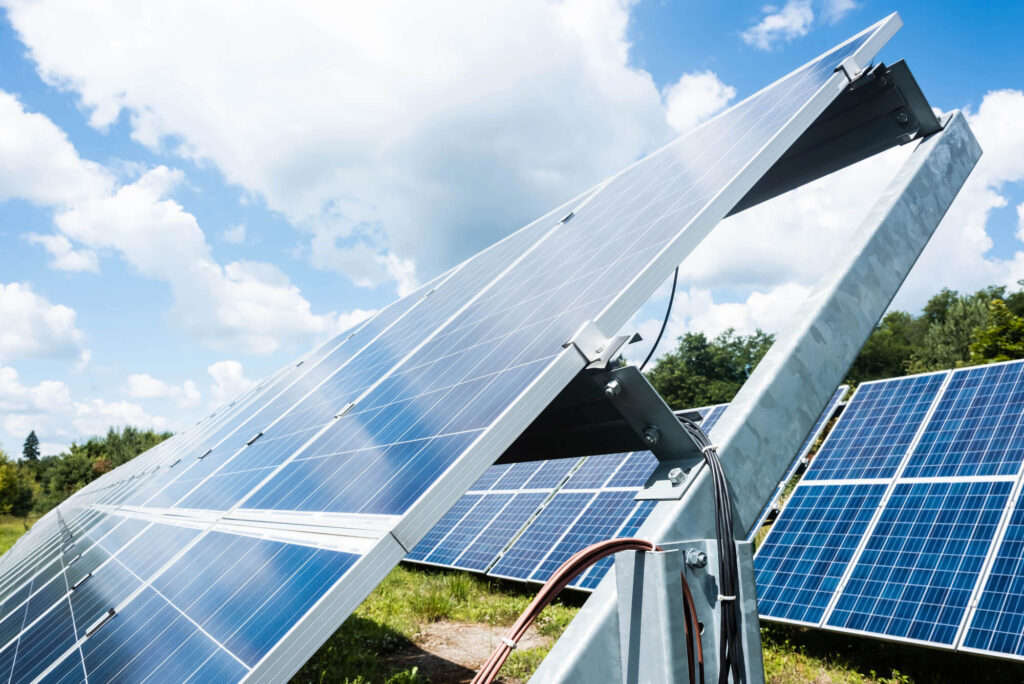
Solar power reduces carbon emissions by generating electricity without burning fossil fuels during operation. Solar panels can replace some electricity from higher-emission energy sources, helping create cleaner energy systems.
How Does Solar Power Reduce Carbon Emissions?
Understanding how solar power reduces carbon emissions starts with how electricity is produced. Many traditional power plants use fossil fuels such as coal and natural gas to generate electricity. Burning these fuels releases carbon dioxide (CO₂), a major greenhouse gas.
Solar power works differently. Solar PV panels convert sunlight into electricity without combustion. During operation, solar panels do not need to burn fuel to produce electricity, which helps reduce the direct emissions associated with fossil fuel-based energy production.
The International Energy Agency reported that solar PV, wind power, nuclear power, electric cars and heat pumps together avoided around 3 billion tonnes of CO₂ emissions annually in 2025. Solar PV accounted for around 1.5 billion tonnes of those avoided emissions.
Solar Power Replaces Fossil Fuels
One of the main environmental benefits of solar power is its ability to replace some electricity generated from fossil fuels.
When solar panels produce electricity, they can reduce the amount of electricity required from other generation sources. The emissions savings depend on which energy sources are displaced. Replacing electricity from coal or natural gas can avoid emissions that would otherwise be released by fossil fuel power plants.
This is increasingly important as electricity demand grows. Homes, businesses, transport and industry are using more electricity as energy systems become more electrified. Increasing renewable energy generation can help meet this demand while reducing dependence on fossil fuels.
Solar energy therefore has an important role in the transition towards cleaner energy production.
Solar Panels Reduce Operational Emissions
Solar panels reduce direct operational emissions because they generate electricity without combustion. A gas-fired power plant, for example, needs fuel to continue producing electricity. Burning natural gas releases carbon dioxide during generation.
A solar PV system uses sunlight instead. Once the panels are installed and operating, electricity can be generated without continuously consuming fuel.
However, solar power is not completely free from emissions. Manufacturing solar panels requires raw materials, energy and industrial processes. Panels also need to be transported and installed.
This means the environmental impact of solar energy should be considered across its entire life cycle. Even so, life-cycle assessments generally show that solar PV has substantially lower greenhouse gas emissions than fossil fuel-based electricity generation.
The IEA’s life-cycle analysis considers emissions associated with different stages of energy technologies, rather than looking only at emissions during electricity generation.
The Environmental Benefits of Solar Energy
The benefits of solar extend beyond reducing carbon emissions from electricity generation.
Solar energy is a renewable energy source because sunlight is naturally replenished. Unlike fossil fuels, sunlight does not need to be extracted, transported, and burned to produce electricity.
Solar power can also support cleaner energy systems by working alongside battery storage, wind power and other renewable technologies. Energy storage can help make solar electricity available when sunlight is limited, while improved electricity networks can help balance generation and demand.
The environmental benefits therefore depend not only on installing solar panels but also on how solar power is integrated into wider energy systems.
The IEA reported that solar PV was the largest single contributor to global energy demand growth in 2025 among the clean energy technologies covered in its analysis.
Installing Solar Can Reduce Electricity Emissions
For homes, businesses and other organisations, installing solar can provide an opportunity to generate electricity closer to where it is used.
A rooftop solar PV system can produce electricity during daylight hours, potentially reducing the amount of electricity a building needs from the grid. The actual carbon reduction depends on factors such as system size, electricity demand, local grid generation, and solar output.
Businesses with large buildings or high daytime electricity use may be able to make significant use of on-site solar generation.
However, solar panels should be viewed as part of a wider energy strategy. Improving energy efficiency, reducing unnecessary consumption and using electricity intelligently can work alongside renewable energy generation.
Solar Power and the UK Energy System
Solar power is becoming an increasingly important part of the UK’s renewable energy mix.
UK Government statistics show that renewable generation accounted for 52% of total UK electricity generation in 2025. The figures demonstrate the continuing shift away from a power system dominated by fossil fuel generation.
The electricity mix continues to change as more renewable energy is connected to the grid. Solar power, wind generation, storage and network improvements can all contribute to this transition.
For businesses considering installing solar, understanding both energy demand and future electricity requirements can help determine how a solar PV system could fit into their wider energy strategy.
Solar Power Still Has an Environmental Impact
Although solar power offers significant environmental benefits, solar technology still has an environmental impact.
Producing solar panels requires materials such as glass, aluminium, silicon and other components. Mining and processing these materials can require energy and create environmental pressures. Manufacturing, transportation and installation also contribute to the overall life-cycle impact.
This does not remove the carbon reduction benefits of solar power. Instead, it highlights the importance of managing solar panels responsibly throughout their entire life cycle.
Long-lasting equipment, effective maintenance, responsible manufacturing and recycling can all help reduce the environmental impact associated with solar technology.
Why Solar Panel Recycling Matters
The environmental benefits of solar energy should not end when a panel reaches the end of its useful life.
Solar panels eventually need to be repaired, reused, replaced, or recycled. Recycling can recover materials from old PV modules and return suitable resources to the supply chain. This can reduce the need for some virgin raw materials and support a more circular approach to renewable energy.
As solar deployment continues to grow, responsible end-of-life management will become increasingly important.