
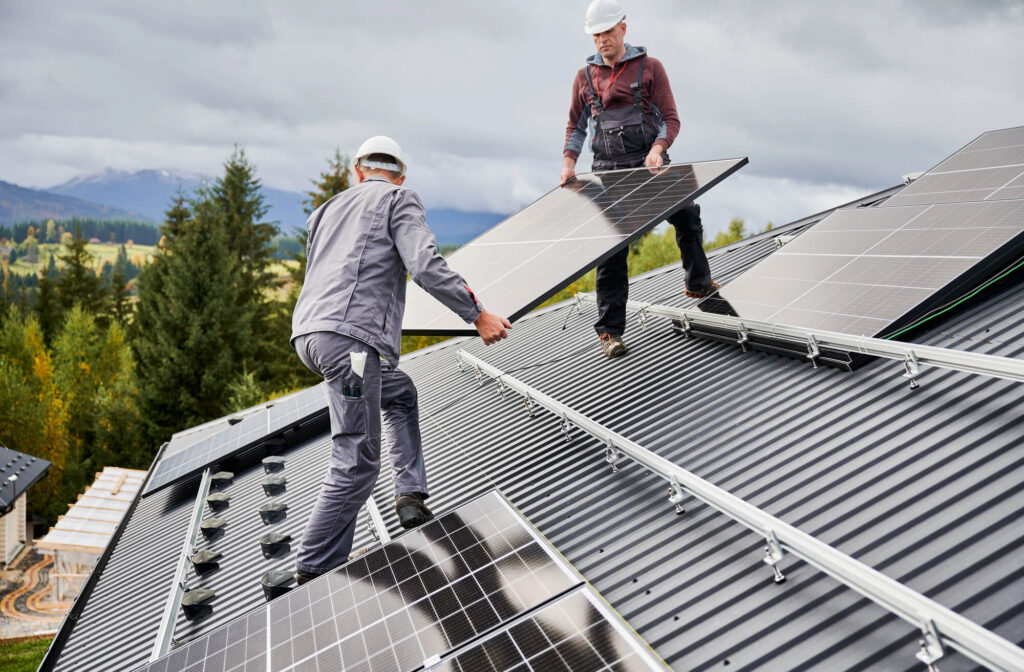
Most modern solar panels contain a recoverable blend of glass, aluminium, silicon, copper, and other metals, and depending on the module design and the recycling route, a large share of that material can be reclaimed rather than sent for disposal.
As solar energy continues to expand, recycling has become a necessary part of end-of-life management for solar panels, because it helps recover valuable resources while supporting a more circular clean energy system.
Solar panels contain several recyclable materials; glass and aluminium account for much of a typical module, while solar cells contain silicon and small quantities of valuable metals.
How Much of a Solar Panel Can Be Recycled?
The amount of a solar panel that can be recycled depends on its construction, its material mix and the technology used at the recycling facility, so there is no single figure that applies to every module.
Many modern processes can recover around 85% to 95% of a panel’s materials, although some methods achieve higher recovery rates for specific material streams; the exact figure should therefore be treated as a range rather than a fixed outcome.
Crystalline silicon panels are among the most common solar panels in use today, and they contain glass, aluminium, silicon, copper, polymers and other materials that require different treatment during recycling.
The recycling process is designed to separate those streams so they can move into suitable recovery routes rather than the general waste system.
What Parts of Solar Panels Can Be Recycled?
Solar panels are built from several layers and components, and each one has a different recovery potential depending on how firmly it is bonded to the rest of the module.
Glass
Glass is one of the largest components in many solar panels, because it protects the solar cells and gives the module structural strength.
During recycling, the glass can be separated and processed for suitable applications, and recovering this large material stream can significantly reduce the amount of panel waste that needs disposal.
Aluminium
Aluminium is commonly used for the frame around a solar panel, and it can usually be removed before the main module is processed.
Because aluminium has an established recycling market, it can be processed into new products, making frame recovery an important stage in solar panel recycling.
Silicon
Silicon is used in solar cells to convert sunlight into electricity, but recovering it is more complex than recovering the aluminium frame because the cells are integrated into the module structure.
Specialist recycling processes can separate silicon-bearing material from other components, and recovering silicon can reduce demand for virgin resources used in new solar manufacturing.
Copper and Other Metals
Solar panels also contain copper wiring and smaller quantities of other metals, all of which can be recovered through specialist recycling processes.
Some solar cells also contain silver, and although the quantity is small, recovering valuable metals can increase the resource value of old solar panels.
How Are Solar Panels Recycled?
Solar panel recycling starts with collection and assessment, because a panel that is still safe and capable of producing electricity may be suitable for reuse rather than immediate recycling.
Panels that have reached the end of their useful life are sent to a suitable recycling facility, where the process can include removing the aluminium frame, separating components and processing the remaining layers.
Mechanical separation is often used to recover materials such as glass and metals, while other methods can be used for components that are harder to remove or more tightly bound.
The exact process depends on the type of solar panel and the equipment available at the recycling facility.
Can Solar Cells Be Recycled?
Yes, solar cells can be recycled, although recovering their materials is more technically demanding than processing larger components such as aluminium and glass.
Solar cells contain silicon and other materials with value in the manufacturing supply chain, and specialist processes can separate these materials from the other layers of the module.
Recovering materials from solar cells can reduce the need for virgin raw materials and improve resource efficiency across the solar industry.
What Cannot Be Easily Recycled?
Not every part of a solar panel is equally easy to recover, because encapsulants, adhesives, backsheets and composite materials can make separation more difficult.
These materials are important during the panel’s working life because they protect the solar cells from moisture and physical damage, yet they can also make end-of-life processing more complex.
This is why recycling technology focuses on separating the main material streams while improving recovery from harder components.
Some solar panels can also contain substances that require controlled handling. UK Government guidance covers the treatment of waste electrical and electronic equipment and the management of materials found in solar panels.
Why Is Solar Panel Recycling Important?
Recycling solar panels reduces the amount of solar waste that needs disposal, and it also gives valuable materials another use.
Glass, aluminium, silicon and metals can all contribute to material recovery, and keeping these resources within the supply chain supports a more circular approach to clean energy.
The growth of solar energy means that more panels will eventually reach the end of their working lives, so building reliable recycling systems now can help the industry manage larger volumes of solar panel waste.
For businesses, using a suitable recycling service can also support responsible waste management and provide evidence of how unwanted panels have been handled.
Recycle Solar Panels Responsibly
Businesses should avoid sending unwanted solar panels to general waste, and instead they should use a specialist recycling service that understands solar waste and can manage the materials through the right recovery routes.
A suitable service should provide safe collection, proper processing and clear documentation where required.
Solar Panel Recycling and the Circular Economy
Solar panel recycling is an important part of creating a more circular solar industry.
Instead of treating an old panel as waste, recycling allows its materials to be recovered and returned to productive use; aluminium can enter established metal recycling streams, while glass can be processed for suitable applications, and silicon, copper and other metals can also be recovered where the process allows.
This approach can reduce pressure on natural resources while supporting the continued growth of clean energy.
Designing future solar panels with recycling in mind could make material recovery even more efficient, because easier separation, improved component design and better recycling technology could all increase the amount of useful material recovered from end-of-life panels.
The Future of Solar Panel Recycling
The number of solar panels in use is expected to keep rising as countries expand renewable energy capacity, and this will eventually create larger volumes of end-of-life solar waste.
Improved recycling technology will be important for managing this waste efficiently, because better recovery of glass, aluminium, solar cells and valuable metals can help reduce material losses.
The long-term goal is to make solar energy more circular by linking manufacturing, use, reuse and recycling.
So, how much of a solar panel can be recycled? A significant proportion of a modern panel can be recovered, with many recycling processes achieving around 85% to 95% material recovery depending on the panel and the technology used.
Glass, aluminium, silicon, copper and other metals all provide opportunities for recovery, and as solar energy expands, responsible recycling will help conserve resources, reduce waste and support a more sustainable clean energy industry.