
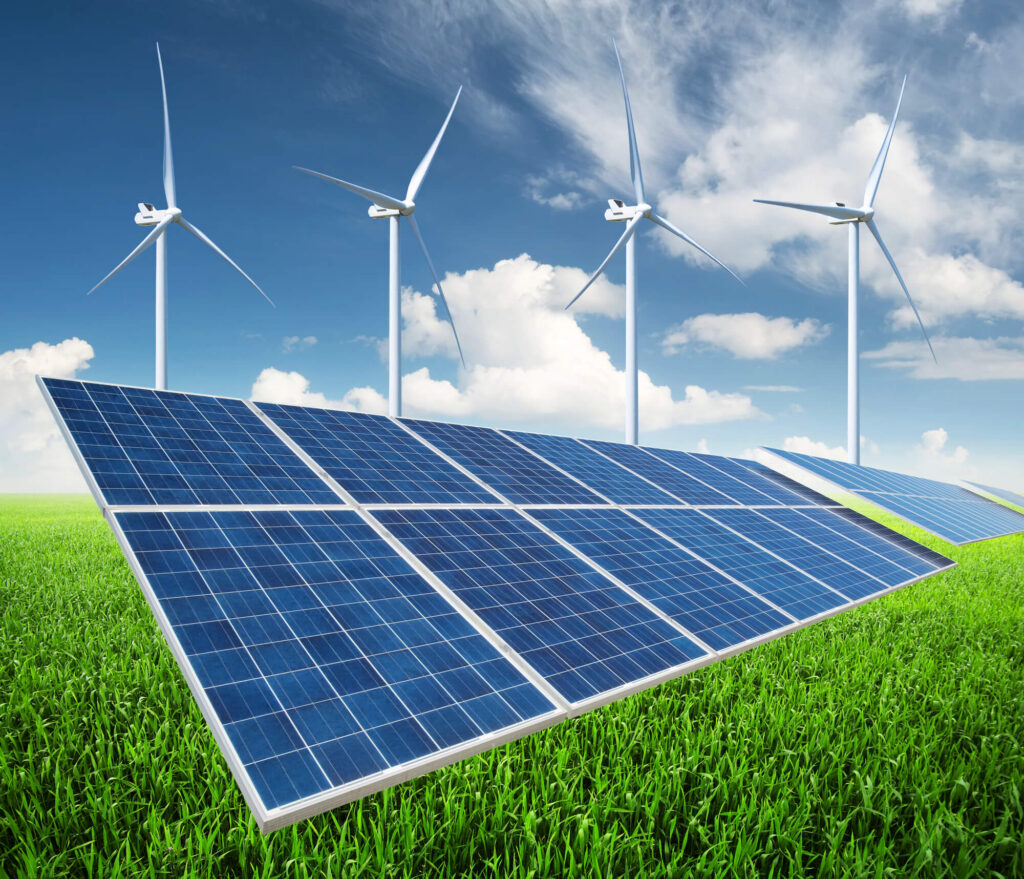
Renewable Energy in 2026 is reshaping the global energy transition. Solar power, wind energy, energy storage, grid upgrades, and electrification are changing how electricity is generated, stored, and used. At the same time, the growth of clean energy is creating new challenges around infrastructure, supply chains, electricity consumption and renewable energy waste.
The transition is no longer only about building more renewable generation. Countries and businesses also need reliable grids, energy storage and recycling systems to support a flexible and sustainable energy system.
Renewable energy is expanding rapidly, led by solar power, wind energy and energy storage. Grid investment and recycling are becoming increasingly important.
Renewable Energy in 2026 Is Expanding at Record Levels
Global renewable energy deployment reached another important milestone before 2026. According to the International Energy Agency, renewable capacity additions increased by 16% in 2025 to reach around 800 GW. This was the 23rd consecutive year in which renewables set a new annual expansion record. Solar PV accounted for more than three-quarters of new renewable capacity, while wind represented around 20%. (IEA)
Solar PV remained the main source of new renewable capacity. Global solar additions exceeded 600 GW in 2025 for the first time, taking cumulative installed solar PV capacity to around 2,800 GW. The IEA also reported that 30 countries installed more than 1 GW of solar PV during the year. (IEA Global Energy Review 2026)
These figures show how quickly the renewable energy landscape is changing. Solar technology is becoming a larger part of electricity systems across established and emerging markets.
China remains a major driver of global deployment. The IEA reported that China added almost 500 GW of renewable capacity in 2025, representing more than 60% of global growth. India also recorded strong growth, with renewable capacity additions increasing by almost 60%. (IEA)
This rapid expansion means renewable energy in 2026 is already reshaping energy infrastructure around the world.
Solar Power Continues to Lead Renewable Growth
Solar energy is expected to remain central to the global energy transition. Falling technology costs, flexible installation options, and the ability to build both large and small projects have helped solar PV expand across many markets.
Large solar farms can provide significant amounts of electricity, while commercial rooftop systems can help businesses generate power close to where it is needed. Smaller systems can also support local electricity generation and reduce reliance on centralised power generation.
However, rapid solar growth creates a long-term responsibility. Solar panels have a finite operating life, and damaged, outdated or decommissioned modules eventually require reuse, refurbishment or recycling.
This makes solar panel recycling an increasingly important part of renewable energy infrastructure. Businesses operating solar farms, installation companies and asset owners need to consider what happens to panels after they leave service.
A growing renewable energy sector therefore needs a growing circular economy. Recovering glass, aluminium, silicon and other valuable materials can help keep resources in circulation and reduce waste.
For businesses managing end-of-life photovoltaic equipment, solar panel recycling can form an important part of responsible renewable energy waste management.
Battery Storage Is Becoming More Important
Solar and wind generation can vary depending on weather and time of day. Energy storage can help balance this variation by storing electricity when generation is high and releasing it when demand increases.
Battery storage is becoming a key part of modern electricity systems. It can support renewable generation, provide flexibility and help manage short-term changes in electricity supply and demand.
Energy storage is also closely connected to the wider renewable energy supply chain. As more batteries are manufactured and deployed, businesses will need effective systems for maintenance, reuse, second-life applications and recycling.
The IEA’s 2026 Global Energy Review identifies battery storage as an important area of technology development alongside solar PV and wind. (IEA)
The growth of energy storage also increases the importance of recovering battery materials responsibly. Lithium, nickel, cobalt, copper and other materials can have significant value when recovered through suitable recycling processes.
This means the energy transition is increasingly connected to resource management. Generating clean electricity is only one part of building a more sustainable energy system.
Grid Modernisation Is a Major Challenge
Renewable generation cannot deliver its full value without suitable electricity networks. Solar and wind projects may be located far from major centres of electricity demand, creating a need for stronger transmission and distribution infrastructure.
Grid capacity can also affect how quickly new renewable projects can connect. Delays in grid connections can slow deployment even when generation projects are ready to proceed.
The US Department of Energy highlights the importance of grid modernisation, energy storage, distributed energy resources and demand management as electricity systems evolve. (US Department of Energy)
In 2026, grid investment is therefore becoming as important as renewable generation investment. New transmission lines, distribution upgrades, digital systems, storage and improved grid management can help electricity networks handle more variable renewable generation.
Modern grids also need to manage new sources of electricity consumption. Electric vehicles, heat pumps, data centres and industrial electrification can all increase electricity demand.
The result is a more connected energy system in which generation, storage, networks and demand must work together.
Renewable Energy in 2026 and the Rise of Electrification
Electrification is another major trend shaping the energy transition. Transport, buildings and industry are increasingly using electricity for applications that traditionally depended on fossil fuels.
Electric vehicles are one clear example. Heat pumps are another, while industrial processes can also use electricity instead of direct fossil fuel combustion in suitable applications.
This creates both opportunities and challenges. Greater electrification can increase the potential value of renewable electricity, but it can also increase pressure on electricity networks.
Energy efficiency will therefore remain important. Producing more renewable electricity does not remove the need to manage electricity consumption carefully.
Businesses can respond by improving energy efficiency, installing renewable generation where appropriate, using energy storage and monitoring electricity consumption. These measures can help organisations manage energy costs while adapting to a changing electricity system.
Supply Chains Are Becoming More Important
The renewable energy transition depends on global supply chains for solar modules, batteries, wind turbines, power electronics, cables and other components.
This creates exposure to changes in manufacturing capacity, raw material availability, trade policies and transportation costs.
A resilient energy transition therefore requires more than increasing renewable generation. It also requires businesses and governments to understand where critical materials and components come from and how they can be recovered after use.
Recycling can contribute to this resilience by creating secondary supplies of useful materials. Instead of treating end-of-life equipment as a final waste product, recycling can return recovered resources to manufacturing systems.
This approach supports the principles of a circular economy. It can also become increasingly important as large volumes of renewable energy equipment reach the end of their working lives.
Digital Technology Is Changing Energy Management
Digitalisation is another important trend in 2026. Smart meters, monitoring platforms, automated controls and advanced energy management systems can help operators understand how electricity is produced and consumed.
Digital systems can also help coordinate distributed energy resources. Solar panels, batteries, electric vehicles and other technologies can increasingly interact with electricity networks rather than operating as isolated assets.
The US Department of Energy identifies distributed energy resources as an important part of changing electricity system planning and operation. (US Department of Energy)
Artificial intelligence and data analytics may also support forecasting, maintenance and energy management. Better forecasting can help operators anticipate renewable generation and electricity demand.
However, digitalisation brings its own requirements for cybersecurity, reliable communications and data management. A modern energy system needs to be flexible, efficient and secure.
Offshore Wind Faces a Different Set of Challenges
Wind energy remains an important part of renewable electricity generation. Global wind capacity additions increased by nearly 40% in 2025, reaching around 160 GW, according to the IEA. (IEA)
Offshore wind can provide large-scale generation, but projects often involve complex construction, financing, grid connection and supply chain requirements.
The IEA reported that offshore wind additions fell in 2025 compared with the previous year, showing that renewable growth is not identical across every technology. (IEA)
This highlights an important feature of the energy transition. Solar, onshore wind, offshore wind, hydropower, energy storage and other technologies will develop at different rates depending on local resources, infrastructure, costs and policy conditions.
Renewable Energy Waste Needs More Attention
As renewable energy deployment grows, end-of-life management will become increasingly important.
Solar panels, batteries, inverters, cables and other equipment contain materials that can potentially be recovered. Without suitable collection and recycling systems, valuable resources may be lost.
For solar panels, recycling can recover materials such as glass, aluminium, silicon and metals. PV Recycling provides commercial solar panel recycling and focuses on responsible collection and material recovery.
Businesses can also plan for end-of-life management before renewable equipment is installed. Including recycling requirements in procurement, asset management and decommissioning plans can make future waste management easier.
This is particularly relevant for large solar farms and organisations operating multiple renewable energy sites.
For businesses reviewing end-of-life solar equipment, the solar panel recycling process provides further information about collection and material recovery.
What the Energy Transition Could Look Like Next
The next stage of the global energy transition will involve greater integration between renewable generation, energy storage, grids, electrification and resource recovery.
Solar and wind capacity will continue to expand, but generation alone will not determine how effectively energy systems transition. Electricity networks must connect new capacity, storage must provide flexibility and businesses must manage increasing electricity consumption.
The materials used to build renewable technologies will also become more important. Recycling and reuse can help extend resource availability and support more circular supply chains.
For the renewable energy industry, sustainability needs to cover the entire lifecycle of equipment. A solar panel or battery should not be considered only in terms of the electricity it produces or stores. Its manufacturing, transportation, operation, maintenance and end-of-life management also matter.
The global transition is therefore becoming a wider systems challenge.
Preparing for the Future of Renewable Energy
Renewable energy in 2026 is developing through several connected trends rather than one single technology. Solar PV continues to lead capacity growth, while wind, energy storage, grid modernisation, electrification and digital energy management are changing how electricity systems operate.
The scale of new renewable deployment also makes responsible waste management more important. Planning for reuse, recycling and material recovery can help ensure that renewable technologies contribute to a more circular economy throughout their full lifecycle.
Businesses involved in renewable energy can prepare by considering energy storage, grid requirements, supply chain resilience and end-of-life management alongside new generation capacity.
The global energy transition is moving from simply adding renewable generation towards building complete, flexible and resource-efficient energy systems. In 2026, that broader approach is increasingly important for the future of clean energy.