
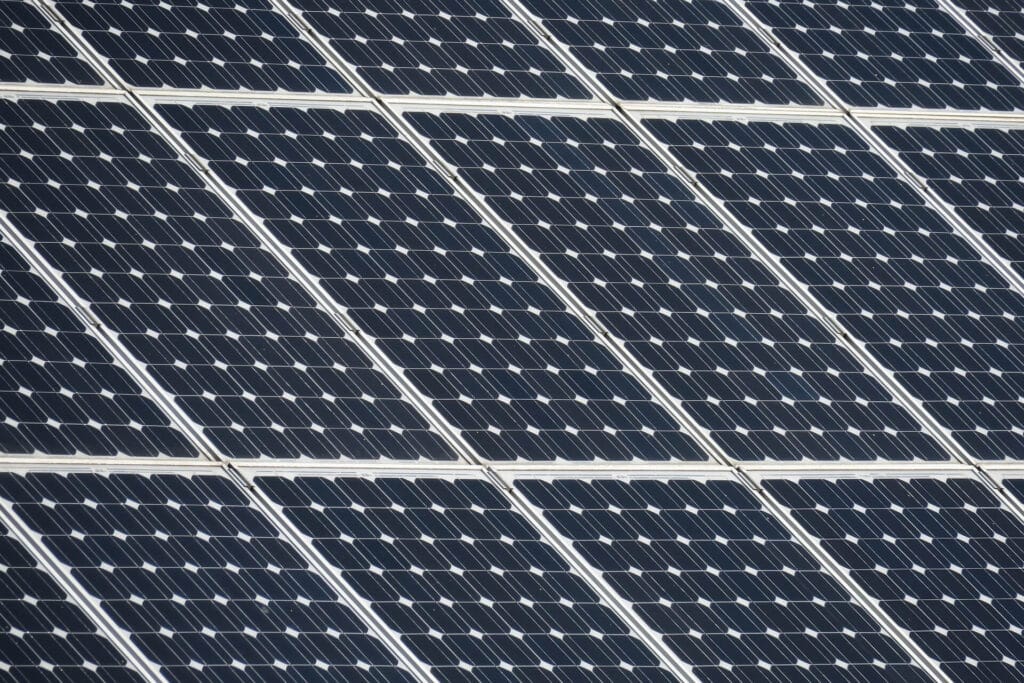
Solar Panel Recycling Could Deliver Billions in Economic Benefits as growing volumes of end-of-life photovoltaic modules create a valuable stream of recoverable materials. New research shows that recycling is becoming more than a waste management requirement. With suitable investment, technology and policies, discarded solar panels could support material recovery, reduce resource pressure and generate substantial economic value.
What the Latest Research Says About Solar Panel Recycling
A major study published in Nature in August 2026 assessed 1,708 photovoltaic waste recycling scenarios across 32 regions. The research found that global PV waste could reach between 297 million and 402 million tonnes by 2060.
Under its carbon-priority pathway, cumulative economic benefits could reach US$670.8 billion by 2060. An economic-priority pathway could deliver approximately US$662 billion. These findings highlight the potential value of treating solar panel waste as a resource rather than simply as discarded equipment.
The research also found that recycling could become economically viable across the modelled scenarios between 2035 and 2040. Higher prices for recovered materials, including silver, aluminium and silicon, could increase the value obtained from each tonne of waste.
Technological development could also reduce processing costs as recycling facilities expand and become more efficient. This could make commercial recycling increasingly attractive as larger volumes of panels reach the end of their useful lives.
Why Solar Panels Have Economic Value
Solar panels contain materials that can be recovered and returned to manufacturing supply chains. Glass and aluminium account for much of a typical crystalline-silicon module, while smaller quantities of silicon, copper, silver and other materials can also provide considerable value.
The economic opportunity depends on how efficiently these materials can be separated and recovered. Basic processing can recover bulk materials, while advanced recycling technologies can improve the recovery and purity of valuable metals and silicon.
High-quality recovered materials can potentially replace some demand for virgin resources. This creates an economic connection between solar panel recycling and the wider circular economy.
Research published in 2026 on laser-based recycling also demonstrates the importance of processing scale. The study found that a proposed laser process could become economically attractive at around 10,000 tonnes of annual processing capacity. Its practical viability still depended on achieving sufficient throughput.
This shows that successful recycling depends on more than developing a promising technology. Facilities also need reliable waste volumes, efficient operations and strong markets for recovered materials.
The Role of Silver, Silicon, Aluminium and Glass
Recovered materials are central to the economic case for PV recycling. Silver is particularly important because it is valuable and used in photovoltaic cells. Silicon is also strategically significant because it is essential to solar manufacturing.
Aluminium and glass are available in much larger quantities. Efficient recovery of these materials can therefore contribute significantly to the overall material yield from recycled panels.
However, recycling economics can change as solar panel designs evolve. Manufacturers continue to develop technologies that may reduce the quantity of expensive materials used in photovoltaic cells.
Recycling businesses therefore need flexible systems that can handle different module designs and material compositions.
The IEA PVPS 2026 recycling update reports improvements in material recovery, processing yields and output purity. Mechanical recycling remains an important commercial approach for crystalline-silicon modules, while thermal and chemical processes can provide higher recovery rates and material purity for certain applications.
For more information, businesses can review the IEA PVPS recycling research to understand how recycling methods are developing.
How Recycling Can Create Wider Economic Benefits
The economic value of solar panel recycling extends beyond selling recovered materials. A growing recycling industry can support collection services, transport, sorting, processing, equipment manufacturing, research and technical employment.
Local recycling capacity can also reduce the need to transport waste over long distances. This can help keep more economic activity within regions where solar waste is generated while improving access to recycling infrastructure.
The Nature study found that international trade can improve recycling efficiency but may also concentrate economic benefits in regions with advanced recycling technologies. Investment in local skills, infrastructure and processing capacity can therefore help more regions participate in the emerging recycling economy.
IRENA also identifies recycling as an important part of a circular approach to renewable energy. Its research estimates that more than 17.7 million tonnes of raw materials could be recycled from solar PV waste by 2050 under its 1.5°C scenario, with an estimated value of about US$8.8 billion.
This demonstrates how recycling can transform future solar waste into a secondary source of valuable resources.
What Businesses Need to Consider
Businesses managing end-of-life solar panels should include recycling in their wider waste management strategy. Planning can help organisations identify suitable collection arrangements, storage requirements and recycling partners before significant volumes accumulate.
The condition and type of panels should also be considered. Some modules may be suitable for reuse, while damaged or unsuitable panels may require specialist recycling.
Keeping accurate records of panel types and quantities can make future waste management easier. It can also help recycling providers prepare suitable processing methods.
Businesses should look beyond headline recycling rates when selecting a recycling partner. A process that recovers a high percentage of material is not automatically the most economical or environmentally effective option.
Transport distances, energy consumption, recovered material quality, processing costs and end markets can all affect the overall value of recycling.
What Needs to Happen Next
The latest research suggests that solar panel recycling has significant long-term economic potential, but several challenges remain.
Recycling facilities need investment, technologies require further development and markets for recovered materials must become more reliable. These factors will influence whether the projected economic benefits can be achieved.
Policy can also affect the pace of development. Producer responsibility requirements, collection systems, recycling targets and financial incentives can help create a more predictable market.
The Nature research suggests that carefully designed financial support could help regions overcome early economic barriers while improving access to recycling capacity.
For the industry, the priority should be building scalable systems before PV waste reaches its projected peak. Better data, improved sorting, higher recovery rates and stronger links between recyclers and manufacturers can help turn recovered materials into useful inputs for future solar products.
Manufacturers can also support this transition by designing panels with end-of-life recovery in mind. Easier disassembly, clearer material identification, and compatibility with recycling processes could reduce future treatment costs and increase the value of recovered materials.
The Future of Solar Panel Recycling
Solar panel recycling is becoming an important resource and economic opportunity as the global solar industry continues to expand. Research points towards hundreds of millions of tonnes of future PV waste and hundreds of billions of dollars in potential cumulative economic benefits.
Achieving this value will require more than simply learning how to recycle solar panels. Efficient collection, commercially viable recycling technologies, strong markets for recovered materials, supportive policies and investment in recycling infrastructure will all be necessary.
Businesses, manufacturers and policymakers can prepare now by developing systems that make it easier to recycle solar panels when they reach the end of their useful lives.
The long-term opportunity is clear. End-of-life solar panels do not have to become a growing waste problem. With effective recycling systems, they can become a valuable source of materials that support solar energy, resource efficiency, and a more circular solar industry.