
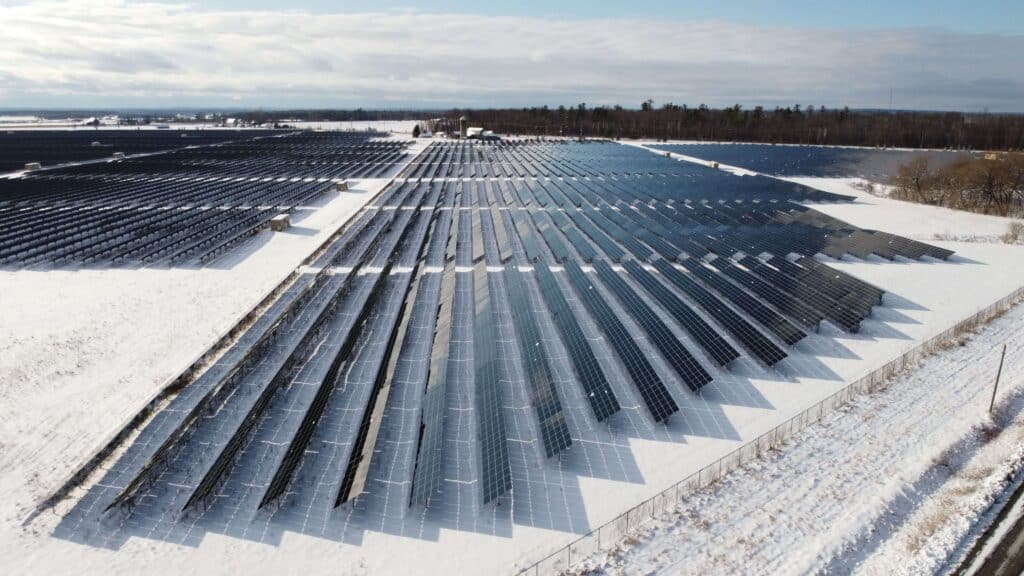
The 2026 PV waste forecast highlights a growing challenge for the renewable energy industry. As more PV panels are installed around the world, increasing numbers will eventually reach the end of their useful lives. This makes solar panel recycling an important part of responsible solar development.
Solar power continues to expand because it provides a low-carbon source of electricity. However, the environmental benefits of solar PV depend on responsible management throughout the full life cycle of panels. Collection, reuse, recycling and materials recovery will become increasingly important as older PV modules are removed from service.
The latest research shows why the industry needs to prepare now rather than waiting for waste volumes to become difficult to manage.
The growth of solar power will create more PV waste in the coming decades. Better collection systems, efficient recycling technologies, stronger recycling infrastructure and improved product design can help turn unwanted panels into valuable secondary materials.
Why Is PV Waste Becoming a Bigger Issue?
Solar panels can operate for many years, but no pv system lasts forever. Panels may eventually be removed because of age, physical damage, declining performance, site redevelopment or technological upgrades.
The rapid expansion of solar installations means that the number of panels reaching the end of their working lives will increase over time. This creates a long-term waste-management challenge for manufacturers, installers, solar farm operators, businesses and recycling companies.
The International Energy Agency has reported strong growth in solar PV deployment, with solar accounting for a major share of new renewable power capacity. As the global installed base becomes larger, end-of-life management will become an increasingly important part of the solar supply chain.
This means the industry needs to consider what happens to PV modules after they stop generating electricity.
Simply removing old panels is not enough. They need to enter suitable recycling processes or other responsible end-of-life routes so that useful materials can remain in circulation.
What the 2026 PV Waste Forecast Means for Solar Panel Recycling
What the 2026 PV Waste Forecast Means for the Future of Solar Panel Recycling is closely connected to the continued growth of solar installations.
A 2026 study published in Nature estimates that global photovoltaic waste could reach between 297 million and 402 million tonnes by 2060, depending on future deployment and other factors. This projection demonstrates the potential scale of the challenge facing the industry.
The forecast does not mean that hundreds of millions of tonnes of panels will suddenly become waste. PV waste will develop over many years as installations reach different stages of their life cycles.
However, the overall trend is significant. Recycling capacity needs to expand alongside solar deployment.
Earlier research from the International Renewable Energy Agency and IEA-PVPS also identified the importance of planning for end-of-life solar equipment. Different studies use different assumptions and timeframes, but they point towards the same conclusion: PV recycling needs long-term investment and planning.
Solar Panels Contain Valuable Materials
End-of-life panels should not be viewed simply as unwanted waste. Many contain materials that can be recovered and potentially used again.
Glass is one of the main components of many solar panels. Aluminium frames can also be separated, while other components may contain silicon, copper, silver and other materials.
Effective materials recovery can reduce the amount of material sent for disposal. It can also help reduce reliance on virgin resources by creating a secondary supply of useful materials.
This gives solar panel recycling an important role beyond waste management.
As demand for renewable energy equipment increases, access to materials will remain an important consideration. Recycling can help recover resources already contained within existing pv systems instead of allowing them to become lost after decommissioning.
PV Recycling Can Support a Circular Economy
The circular economy focuses on keeping products and materials in use for as long as possible. For the solar industry, this means considering the complete life cycle of a panel rather than focusing only on its operational period.
A circular approach can include repair, reuse, refurbishment, recycling and recovery.
Where panels remain suitable for further use, reuse may provide an opportunity to extend their working life. Where panels are damaged, or no longer suitable for use, appropriate recycling processes can recover materials for further applications.
This approach can reduce waste and make better use of resources.
The International Renewable Energy Agency has identified circular economy principles as an important part of sustainable renewable energy development. Its research into solar PV end-of-life management also highlights the potential value of recovering materials from retired panels.
For the solar industry, the goal should be to make end-of-life management part of normal project planning.
Recycling Technologies Will Need to Improve
The expected growth in PV waste means that recycling facilities will need to process larger volumes efficiently.
Current recycling technologies can separate different components from photovoltaic panels, but the exact process depends on panel design, material composition and the equipment available.
A typical recycling route may involve collection and sorting before components such as aluminium frames and other easily separated materials are removed. Further treatment can then be used to recover glass and other valuable materials.
Technology will continue to develop as the volume and variety of end-of-life pv panels increases.
Future recycling systems may focus on improving recovery rates, reducing energy use and making the process more economically viable. Better separation methods could also help recyclers recover a wider range of valuable materials.
The development of efficient recycling technologies will therefore be important for managing future photovoltaic waste.
Better Panel Design Could Improve Recycling
The future of solar panel recycling does not depend only on what happens at a recycling facility. Panel design can also influence how easily a module can be processed at the end of its life.
Manufacturers can consider recyclability when developing new products. Easier separation of components can potentially simplify recycling processes and improve materials recovery.
Clear information about panel composition can also help recyclers understand what they are handling.
This approach is sometimes described as designing products with their end-of-life stage in mind. For the solar industry, it can help connect manufacturing decisions with future waste management.
As solar technology develops, performance and recyclability should be considered together.
What Businesses Should Do with End-of-Life PV Panels
Businesses operating solar installations should consider end-of-life planning before panels need to be removed.
Keeping records of panel quantities, installation dates and system locations can make future waste planning easier. Businesses can also consider potential recycling requirements when planning system upgrades or replacements.
When panels are removed, they should not simply be placed into general waste. They should be directed towards an appropriate route for reuse, recovery or recycling.
For UK businesses, photovoltaic panels are covered by the Waste Electrical and Electronic Equipment framework. Historic England also recommends considering end-of-life recycling when planning photovoltaic installations.
Working with a specialist recycling provider can help businesses manage unwanted PV modules through appropriate collection and recycling arrangements.
For businesses looking for a specialist solution, PV Recycling provides solar panel recycling services for commercial customers across the UK. Linking naturally to a relevant recycling service can also help readers move from understanding the issue to taking practical action.
The Solar Panel Recycling Process
The solar panel recycling process can differ between facilities, but the main objective is to separate and recover useful materials.
Panels are first collected and transported to an appropriate facility. The recycling process can then involve removing frames, junction boxes, and other components before further treatment is carried out.
Glass makes up a significant proportion of many photovoltaic panels, making its recovery an important part of the recycling process. Metals and other materials can also be separated for recovery where suitable technology is available.
Not every panel will contain the same materials. Different technologies and product designs can affect how panels are processed.
As the market develops, recycling facilities will need to adapt their processes to handle changing panel designs and larger quantities of pv waste.
Businesses can learn more about the practical stages involved through this solar panel recycling process guide.
Policy Will Shape the Future of PV Recycling
Recycling infrastructure alone will not solve the future PV waste challenge. Effective policies will also influence how panels are collected, transported, reused and recycled.
Clear responsibilities can encourage businesses and other stakeholders to plan for end-of-life equipment. Collection requirements, recycling targets and producer responsibility measures can also support investment in recycling infrastructure.
Consistent regulations can make it easier for businesses to understand their obligations and for recycling companies to plan future capacity.
Policy can also encourage manufacturers to consider recyclability during product development.
As the global solar industry expands, effective regulation will therefore become an important part of responsible PV recycling.
The Future of Solar Panel Recycling
The future of solar panel recycling will depend on cooperation across the entire solar supply chain.
Manufacturers can consider recyclability during product design. Installers and solar operators can plan for end-of-life management. Businesses can choose responsible recycling routes for unwanted panels. Recycling companies can invest in technology and processing capacity.
This joined-up approach can help the industry prepare for rising volumes of photovoltaic waste.
The growth of solar PV should not be viewed separately from the waste it will eventually create. Responsible end-of-life management needs to become part of the normal life cycle of every PV system.
The opportunity is significant because old panels can contain materials that still have value. Recovering these resources can support a more circular approach to renewable energy.
Preparing for Rising PV Waste
The 2026 forecast provides an important reason for the solar industry to prepare for future waste today.
Solar power will continue to play an important role in the transition towards cleaner energy. At the same time, more installations will eventually require replacement, refurbishment or removal.
The industry can respond by expanding collection networks, developing better recycling technologies, improving recycling processes and increasing materials recovery.
Businesses can also take practical steps by planning for end-of-life panels and using suitable recycling services rather than treating unwanted modules as ordinary waste.
Early preparation can make the transition easier as the number of retired panels increases.
The 2026 PV waste forecast shows why solar panel recycling needs to develop alongside the continued growth of renewable energy.
Millions of panels will eventually reach the end of their useful lives, creating both a waste-management challenge and an opportunity to recover valuable materials.
Better PV recycling, stronger recycling infrastructure, improved recycling technologies and responsible materials recovery can help the solar industry move towards a more circular model.
Solar power provides clean energy during its operational life. The next challenge is ensuring that PV panels are also managed responsibly when that life comes to an end.