
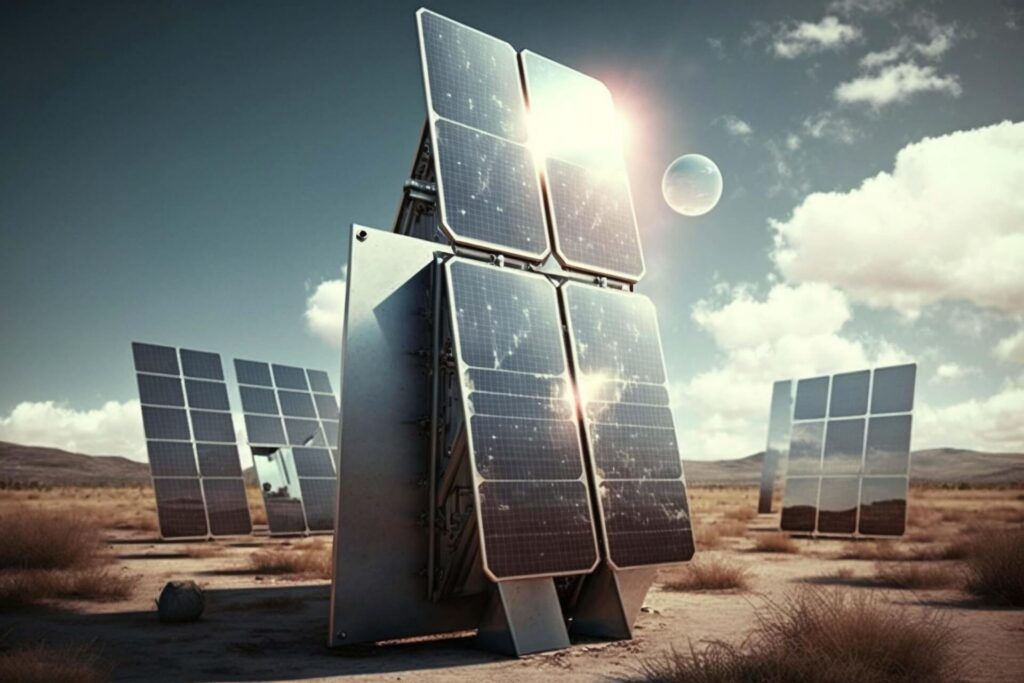
Global solar panel waste could reach 402 million tonnes by 2060, according to a 2026 study published in Nature. This forecast highlights the growing need for effective PV recycling as more solar panels reach the end of their useful lives.
Solar power is expanding rapidly around the world. While this growth supports the transition to renewable energy, it also creates a future waste challenge. Managing panel waste properly will require better collection, reuse, recycling facilities and material recovery.
Global PV waste could reach up to 402 million tonnes by 2060. Preparing recycling facilities and stronger waste management systems now can help the solar industry recover valuable materials and support a circular economy.
What Does 402 Million Tonnes of Solar Panel Waste Mean?
The 2026 Nature study estimates that cumulative global PV waste could reach between 297 million and 402 million tonnes by 2060, depending on future development scenarios. Annual PV module retirements could exceed 19 million tonnes per year by 2060.
This increase is closely connected to the rapid expansion of solar power. Global annual photovoltaic PV installations have grown significantly, while solar panels commonly operate for around 25 to 30 years.
As more panels are installed today, larger quantities will eventually require replacement. This means the solar industry needs to consider end-of-life management alongside continued installation.
The expected increase in PV waste does not mean solar power is becoming less sustainable. Instead, it shows why responsible recycling must become an important part of the industry’s long-term planning.
Why Is PV Recycling Becoming More Important?
Solar panels contain several materials that can potentially be recovered. These include glass, aluminium, silicon and smaller quantities of valuable metals such as copper and silver.
Recovering these materials can reduce dependence on virgin resources and keep useful materials within the manufacturing cycle. This approach supports the principles of a circular economy by reducing waste and extending the useful life of resources.
The International Renewable Energy Agency (IRENA) identifies recycling and repurposing as important opportunities for managing end-of-life solar PV equipment. Its work also highlights the potential value of recovering materials from retired photovoltaic systems.
For businesses, responsible PV recycling provides a practical way to manage damaged, outdated or unwanted solar panels. Instead of sending suitable materials towards general disposal, businesses can use appropriate recycling services to support recovery.
What Are the Main PV Waste Challenges?
One of the biggest challenges is the expected scale of panel waste. Recycling facilities will need enough capacity to process increasing quantities of retired solar panels.
Transport can also be a concern. Solar modules are relatively large and can be costly to move over long distances. Developing accessible recycling facilities in suitable locations can help reduce unnecessary transportation.
The economics of recycling are another challenge. Glass makes up a large proportion of many solar modules, while some valuable materials occur in much smaller quantities. Efficient processing is therefore important for making material recovery commercially practical.
Collection and sorting also need attention. Recyclers need accurate information about panel types, quantities and condition. Good records can help determine whether equipment should be reused, refurbished or recycled.
Regulation is equally important. Requirements for collecting, transporting and processing PV waste vary between countries and regions. Clearer rules can make it easier for businesses to understand their responsibilities when managing panel waste.
Global Solar Panel Waste Could Reach 402 Million Tonnes: What PV Recycling Needs to Do Next
The solar industry needs to prepare for increasing PV waste before large volumes of retired modules enter the waste stream. Building stronger recycling systems now can make future waste management more efficient.
Collection networks need to expand so businesses and solar operators have reliable routes for managing unwanted panels. Accessible services can reduce storage problems and help ensure that end-of-life equipment reaches appropriate recycling facilities.
Recycling technology also needs continued development. Mechanical separation, thermal processing and other techniques can help recover materials from solar panels. Improving these processes can increase recovery rates while reducing energy consumption and processing costs.
Reuse should also be considered before recycling. Some panels removed from large installations may still be suitable for other applications if they remain safe and functional. Testing and grading can help identify equipment that has further useful life.
Traceability is another important part of future PV waste management. A 2026 study published in Nature Communications highlights the importance of traceable systems for end-of-life photovoltaic waste as panels move through international markets.
Better tracking can help improve accountability and make it easier to understand where panels go after removal. It can also support responsible recycling and reduce the risk of unsuitable waste management.
How Businesses Can Prepare for Rising PV Waste
Businesses with solar installations can begin preparing well before their panels reach the end of their expected operating life.
Maintaining accurate records of solar panels, installation dates, condition and location can make future recycling arrangements easier. Businesses can also identify suitable recycling partners before replacement projects begin.
When panels are removed, they should be assessed rather than automatically treated as waste. Functional equipment may have reuse potential, while damaged modules can be directed towards appropriate recycling.
Businesses should also consider how panel waste will be collected, transported and documented. Planning these stages in advance can reduce delays and support responsible waste management.
For larger solar projects, early planning can also make it easier to manage significant quantities of PV waste. A clear end-of-life strategy can help organisations avoid unnecessary storage and ensure materials are directed towards suitable recovery routes.
Building a More Circular Solar Industry
Solar power plays an important role in the transition towards cleaner energy, but sustainability should extend beyond electricity generation.
A circular economy approach considers what happens to products and materials throughout their entire life cycle. For solar panels, this means considering reuse, repair, recycling and material recovery alongside installation and operation.
IRENA recommends measures such as stronger recycling responsibilities, standardisation, certification, data collection and investment in recycling technology to support a more circular solar PV industry.
These measures can help reduce the environmental impact associated with growing panel waste while keeping valuable resources in circulation.
The Future of Solar Panel Recycling
The possibility of 402 million tonnes of global solar panel waste by 2060 demonstrates the scale of the challenge ahead. However, it also creates an opportunity to develop better systems before waste volumes reach their highest levels.
Governments, manufacturers, solar developers and recycling companies all have a role to play. Better regulations can create consistency, manufacturers can consider recyclability during design, developers can plan for decommissioning, and recycling facilities can continue improving recovery technologies.
For businesses, responsible PV recycling can turn an end-of-life challenge into an opportunity for material recovery. Effective collection, reuse and recycling can reduce panel waste while supporting more responsible resource use.
The future of solar should therefore include more than installing new solar panels. It should also include a clear plan for managing them when they are no longer needed. Preparing now can help create a stronger, more efficient and genuinely circular solar industry.