
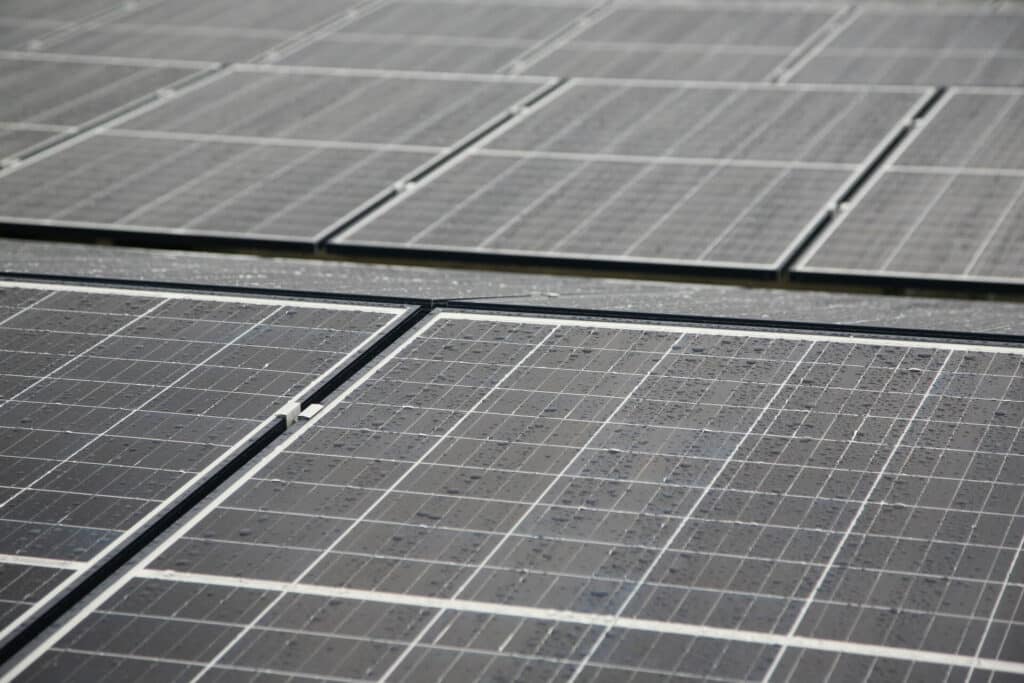
Solar power is expanding rapidly, but the growing number of end-of-life modules is creating a new waste challenge. Better solar panel recycling, material recovery and responsible end-of-life management can help the renewable energy industry become more sustainable.
Why Global PV Waste Is Becoming a Major Renewable Energy Challenge
Solar power has become a major part of the global transition towards cleaner energy. Countries, businesses and households are installing more solar systems to generate electricity while reducing dependence on fossil fuels. However, the rapid growth of solar energy is also creating a long-term waste issue. Global PV waste is becoming more important as more photovoltaic modules approach the end of their useful lives.
Solar panels can operate for many years, but they do not last forever. Some modules remain in service for decades, while others are removed earlier because of physical damage, reduced performance, technological improvements or system upgrades. As solar installations continue to expand, the number of unwanted modules will also increase.
This creates an important question for the renewable energy sector. What happens to solar panels after they are removed?
The answer cannot simply be disposal. A responsible approach needs to consider reuse, repair, recycling and material recovery. Solar panels contain materials that can potentially be recovered and returned to productive use. Managing these materials correctly can reduce waste while supporting the wider principles of a circular economy.
The growth of photovoltaic waste therefore needs to be considered alongside the continued expansion of solar power.
What Is Global PV Waste?
Global PV waste refers to unwanted photovoltaic modules and related solar equipment that are no longer suitable for their original purpose. This can include panels that have reached the end of their working life, damaged modules, faulty products, manufacturing waste and panels removed during solar system upgrades.
The term photovoltaic PV is often used when referring to technology that converts sunlight into electricity. Most solar panels used today rely on photovoltaic cells, which are protected by several layers and components designed to withstand outdoor conditions.
Their durability is one reason solar panels can operate for such long periods. However, the same construction can make end-of-life treatment more complicated. A solar module is not simply a sheet of glass that can be placed into a standard recycling stream.
A typical crystalline silicon solar panel contains glass, aluminium, silicon, copper, polymers and smaller quantities of other materials. These components can have different recycling requirements, which means specialist treatment may be needed.
The increasing volume of global PV waste is therefore both a waste management issue and a resource recovery opportunity.
Why Is Photovoltaic Waste Increasing?
The main reason for the increase in photovoltaic waste is the continued growth of solar installations.
As more solar panels are installed, more modules will eventually reach the end of their useful lives. The time between installation and end of life can be long, which means today’s solar growth will influence waste volumes for many years.
However, panels do not always become waste because they have completely stopped working.
Solar technology continues to improve. Newer modules can offer higher efficiency and greater electricity output from a similar installation area. As solar technology costs change, businesses and solar operators may decide to replace older equipment before it fails.
Extreme weather can also damage solar panels. Strong winds, hail, flooding and other events can cause physical damage that makes a module unsuitable for continued use.
Manufacturing defects, transportation damage and installation problems can create additional waste.
This means photovoltaic waste comes from several sources rather than one predictable end-of-life pathway.
Recent research has highlighted the potential scale of this issue. A 2026 study published in Nature estimated that global photovoltaic waste could reach between 297 million and 402 million tonnes by 2060 under different scenarios.
These projections demonstrate why the solar industry needs to develop appropriate waste management systems before the largest volumes of older modules arrive.
What Materials Are Found in Solar Panels?
Solar panels contain several materials that can be recovered through appropriate recycling processes.
Glass usually makes up a large part of a conventional photovoltaic module. Aluminium is commonly used in the frame, while copper can be found in electrical connections and cabling. Silicon is used in photovoltaic cells, and small quantities of other metals can also be present.
The exact composition depends on the panel design and technology. Some modules may contain materials that require more specialised treatment than others.
These materials have economic and environmental value. Recovering them can reduce the need for virgin resources and help keep useful materials within the manufacturing supply chain.
However, separating these components is not always straightforward. Solar panels are designed to remain stable in changing weather conditions, so their different layers are bonded together. Recycling equipment must therefore be capable of separating materials without creating unnecessary contamination or material loss.
This is why specialist solar panel recycling is becoming increasingly important.
Recycling is not simply about reducing the physical amount of waste. A high-quality process should aim to recover useful materials in a form that can retain as much value as possible.
The Environmental Impact of Global PV Waste
The environmental challenge associated with global PV waste extends beyond the space required to store unwanted solar panels.
When modules are discarded without effective recovery, valuable resources can be lost. New raw materials may then need to be extracted and processed to manufacture replacement products.
Mining and processing virgin materials can require energy, water and transportation. Recovering materials from existing products can help reduce some of these pressures.
Poorly managed waste can also create problems when large quantities of solar panels are stored for long periods or sent through unsuitable disposal routes.
The environmental performance of solar power should therefore be considered across the entire life cycle of the technology.
Solar panels can generate clean electricity for many years, but responsible end-of-life management is still necessary. Renewable energy should not be viewed as a system where equipment automatically becomes sustainable simply because it produces renewable electricity.
The International Renewable Energy Agency identifies circular economy approaches as an important part of the energy transition. Keeping materials in use for longer and improving recovery at the end of a product’s life can support a more resource-efficient renewable energy sector.
How Solar Panel Recycling Can Help
Solar panel recycling provides a practical way to manage unwanted modules while recovering useful materials.
The process generally starts with collection and transportation. Panels are then assessed and sorted according to their condition, type, and recycling requirements.
Where a module is still functional and suitable for another application, reuse may be possible. When a panel has reached the genuine end of its useful life, recycling can provide a better route for recovering its materials.
Mechanical treatment can be used to separate major components such as glass and aluminium. Further processing can target materials contained within the photovoltaic cells and electrical components.
The objective is to recover materials as efficiently as possible while reducing the amount of residual waste.
Effective recycling can therefore turn an end-of-life solar panel from a disposal problem into a source of secondary materials.
The technology used for recycling continues to develop. Researchers and recycling companies are exploring ways to improve material recovery, increase efficiency and reduce the environmental impact of treatment.
For the solar industry, this development is important because recycling infrastructure needs to grow alongside the number of panels being installed.
Global PV Waste and the Circular Economy
The circular economy offers a useful framework for addressing global PV waste.
A traditional linear model follows a simple pattern: raw materials are extracted, products are manufactured, products are used, and waste is eventually discarded.
A circular approach aims to keep products and materials in use for as long as possible.
For solar panels, this can involve extending their useful lives, repairing suitable equipment, reusing functioning modules and recycling materials when panels can no longer be used.
Reuse can be valuable when a panel has become unsuitable for a high-performance commercial installation but remains capable of generating electricity. Instead of immediately becoming waste, it may have another useful application.
Recycling becomes increasingly important when reuse is no longer practical.
Recovering glass, aluminium, silicon, copper and other materials can help create secondary material streams. These materials may then be used in new products, reducing reliance on virgin resources.
This approach can also create economic opportunities. As the volume of photovoltaic waste increases, recovered materials may become an increasingly important resource for manufacturers and other industries.
The future of solar sustainability therefore depends not only on generating renewable electricity but also on managing the physical resources behind that electricity.
The Challenge of Recycling Infrastructure
One of the biggest challenges is ensuring that sufficient recycling infrastructure is available when increasing numbers of solar panels reach end of life.
Recycling facilities require suitable equipment, trained workers, transport networks and reliable access to waste materials. They also need markets for recovered materials.
If recycling capacity does not develop at the same pace as solar deployment, businesses and solar operators may face fewer treatment options when panels become unwanted.
Collection is another important consideration. Solar farms can contain large numbers of modules, while rooftop systems may be distributed across many locations. Moving panels from different sites to suitable facilities requires effective logistics.
The distance between solar installations and recycling facilities can influence both the cost and environmental impact of transportation.
Regional recycling facilities could therefore become increasingly important as photovoltaic waste volumes rise.
Planning this infrastructure in advance would help the industry avoid a situation where large quantities of end-of-life modules arrive before sufficient recycling capacity is available.
Why Regulation Matters
Regulation can help create a more consistent approach to solar waste management.
Clear requirements can establish responsibilities for manufacturers, importers, installers, businesses and waste treatment operators. Regulations can also help define how photovoltaic waste should be collected, transported, treated and documented.
The European Union already includes photovoltaic panels within its WEEE framework. This demonstrates how solar panels can be incorporated into wider electrical and electronic waste management systems.
However, regulatory approaches differ between countries. Some markets have developed dedicated systems, while others are still building their waste management infrastructure.
International growth in solar energy means that responsible management cannot depend only on individual businesses. Governments, manufacturers, recycling companies and industry organisations all have a role to play.
Better regulation can also improve traceability. This becomes particularly important when used or damaged solar panels are moved between countries.
Research published in Nature Communications has highlighted concerns around the movement of degraded PV modules towards markets where recycling infrastructure and regulatory oversight may be limited.
Strong traceability can help ensure that unwanted panels reach appropriate treatment facilities rather than being transferred to locations that cannot manage them safely.
Designing Solar Panels for Better Recycling
The long-term solution to photovoltaic waste begins before a solar panel is installed.
Manufacturers can consider end-of-life recovery when designing new products. Solar panels need to be durable, efficient and reliable, but they can also be designed with future repair, reuse and recycling in mind.
Simplifying material combinations where possible can make separation easier. Better access to components can also help recyclers recover materials more effectively.
Clear product information is another important factor. Recycling facilities need to understand the materials and construction methods used in different modules.
As solar technology develops, manufacturers have an opportunity to create products that perform well during their working lives and are easier to manage afterwards.
This approach supports a more complete life-cycle model for renewable energy.
The Role of Businesses in Managing PV Waste
Businesses involved in solar installation, maintenance, manufacturing and energy generation will all contribute to the future of PV waste management.
Solar installers may generate damaged or defective modules during projects. Solar farms may eventually need large-scale replacement or decommissioning. Commercial property owners may remove older rooftop systems when upgrading their energy infrastructure.
Each situation requires an appropriate waste management plan.
Businesses should avoid treating unwanted solar panels as ordinary waste without first considering whether the modules can be reused or recycled.
Keeping accurate records of the number, type and location of solar panels can make future collection easier. It can also help businesses plan for eventual replacement and disposal requirements.
When panels are removed, careful handling can reduce unnecessary damage. Functional modules may have reuse potential, while damaged panels should be directed towards suitable recycling channels.
Businesses should also check that their chosen recycling provider has the appropriate capabilities and documentation processes.
A clear chain of custody from collection to final treatment can provide greater confidence that photovoltaic waste is being managed responsibly.
For businesses looking for specialist recycling support, PV Recycling provides a relevant internal resource for understanding solar panel recycling and responsible end-of-life management.
What Businesses Can Do About PV Waste
Businesses can reduce future waste problems by planning for end-of-life management before solar equipment becomes unusable.
Keeping information about panel models, quantities, installation dates, and locations can help simplify future collection. Companies operating several sites can also consider how panels will be consolidated when equipment is replaced.
Businesses should assess whether removed panels are suitable for reuse before sending them for recycling. Where reuse is not appropriate, recycling can provide a responsible route for recovering materials.
Choosing an experienced recycling provider is also important. Businesses should consider the provider’s waste management processes, treatment capabilities and documentation.
Good planning can reduce unnecessary storage, improve collection efficiency and support responsible resource recovery.
It can also help businesses demonstrate that their renewable energy equipment is being managed responsibly throughout its life cycle.
The Future of Global PV Waste
The future scale of global PV waste will depend on several factors, including the rate of solar deployment, panel lifetimes, replacement trends and improvements in recycling technology.
The latest projections demonstrate that the potential volume is substantial. The 2026 Nature research estimated hundreds of millions of tonnes of future PV waste under its different scenarios.
These figures should not be viewed as a reason to reduce solar deployment. Instead, they show why waste management must develop alongside renewable energy.
Solar power remains an important technology for reducing reliance on fossil fuels. The challenge is ensuring that its environmental benefits are supported by responsible management of the equipment used to generate electricity.
Building recycling capacity now can help prepare the industry for larger future waste volumes.
Improved collection networks, stronger regulations, better recycling technology and greater use of recovered materials can all contribute to a more sustainable solar sector.
The decisions made today will influence how efficiently the industry manages solar panels in the decades ahead.
Turning Photovoltaic Waste into A Resource
Global PV waste is becoming a major renewable energy challenge because the success of solar power is creating a growing stream of end-of-life equipment.
The solution is not to slow the development of renewable energy. The priority should be to build better systems for managing solar panels throughout their complete life cycle.
Reuse can extend the useful life of suitable modules. Recycling can recover materials when panels can no longer be used. Better product design can make future recovery easier, while effective regulation can improve accountability and traceability.
The growth of photovoltaic waste also creates an opportunity to recover valuable resources and reduce dependence on virgin materials.
Solar power has changed the global energy landscape by providing a scalable source of renewable electricity. The next stage is making sure the materials behind that electricity are managed with the same focus on sustainability.
A stronger approach to PV waste can help create a more circular solar industry in which products are used for longer, materials are recovered efficiently, and less waste is sent for disposal.