
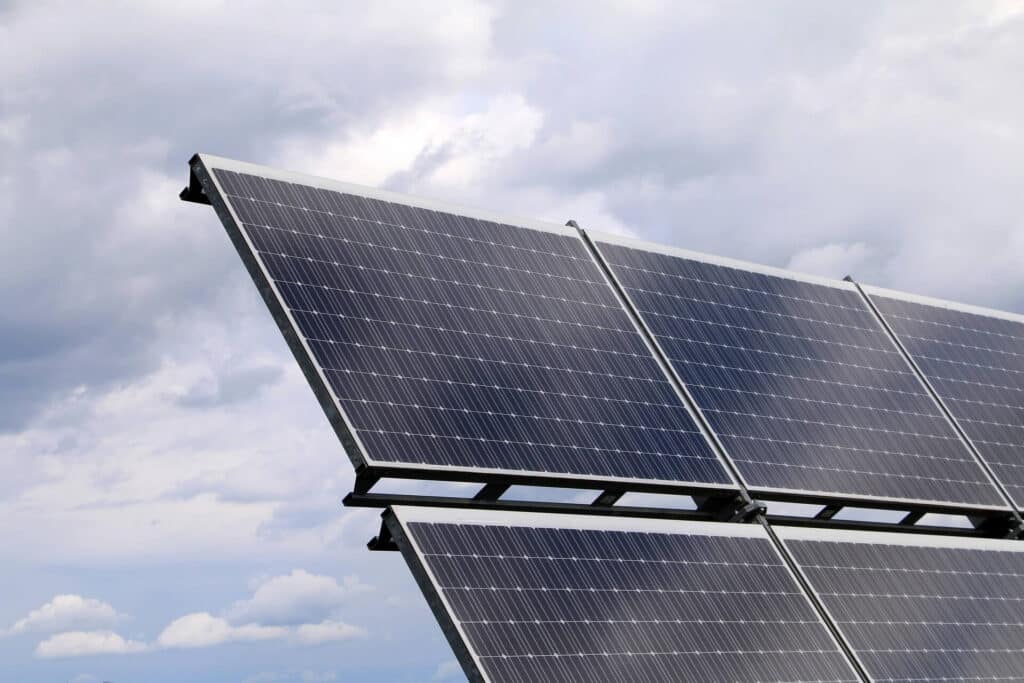
Solar panel recycling could play an important role in reducing the environmental impact of end-of-life photovoltaic modules. As solar installations expand worldwide, more panels will eventually reach the end of their working lives. Recycling can keep useful materials in circulation, reduce demand for virgin resources and support a more sustainable solar industry.
Why Solar Panel Recycling Matters
Solar panels are built to last for decades, but they do not last forever. Damage, ageing, repowering projects, and newer technology can all create end-of-life panels. If these modules are sent to landfill instead of being managed responsibly, valuable materials are lost, and additional resources may be needed to manufacture replacements.
The US Environmental Protection Agency explains that solar panels contain materials such as glass, aluminium, copper, silicon and small quantities of valuable metals. Glass makes up most of the weight of a typical panel, while aluminium frames and copper wiring are also readily recyclable. This creates a clear opportunity to recover materials rather than treat old modules as ordinary waste.
How Solar Panel Recycling Could Reduce Emissions
One of the strongest reasons to recycle solar panels is the potential to reduce emissions linked to extracting and processing virgin materials. Mining, refining and manufacturing raw materials require energy and can generate greenhouse gas emissions. Recovering materials from existing panels can reduce the need for some new extraction and processing.
The emissions benefit depends on the recycling method, energy source, transport distance, recovery rate and quality of the recovered materials. Recycling is not automatically carbon-free, because collection, transport and processing also consume energy. However, well-designed systems can improve resource efficiency and reduce the environmental burden associated with producing materials from primary sources.
Research on photovoltaic recycling also shows why process design matters. Different thermal, mechanical and chemical techniques can have different environmental impacts. Improving separation methods and using efficient equipment can help recyclers recover more material while controlling energy and chemical use.
Recovering Valuable Materials from Solar Panels
Solar panels contain several materials with economic and industrial value. A typical crystalline-silicon module includes an aluminium frame, glass, copper, polymer layers, silicon cells and electrical components. Some modules may also contain small quantities of silver and other metals.
Glass is especially important because it represents a large proportion of a panel’s weight and has established recycling markets. Aluminium and copper can also be recovered through established recycling routes. More advanced recycling processes can target silicon and specialty metals, helping return these resources to manufacturing supply chains.
The International Renewable Energy Agency has highlighted recycling as part of a circular approach to photovoltaic panels. Its end-of-life work explains that recycling can unlock raw materials for new PV manufacturing and other products after opportunities for reduction and reuse have been considered.
Better recycling infrastructure can also create specialist jobs and strengthen local circular supply chains.
The Solar Panel Recycling Process
The recycling process varies according to panel type and the technology used by the recycling facility. In many cases, the frame and junction box are removed first. The remaining module is then processed to separate glass, polymers, silicon and metals.
Mechanical processing may involve crushing, shredding or milling, while thermal or chemical methods can be used to separate materials that are bonded together. More sophisticated systems can purify silicon and recover metals such as silver, copper and tin.
The goal is to maximise material recovery while keeping processing impacts under control. Effective recycling therefore requires suitable collection, careful handling, efficient separation technology and reliable markets for recovered materials.
Supporting a Circular Solar Economy
Solar panel recycling can help move the renewable energy sector towards a circular economy. Instead of following a linear model in which resources are extracted, manufactured, used and discarded, a circular approach keeps materials in productive use for as long as possible.
Recycling also supports supply resilience. As demand for solar technology increases, manufacturers will continue to need large quantities of glass, aluminium, silicon, copper and other materials. Recovering resources from retired panels can provide an additional source of feedstock and reduce pressure on virgin resource extraction.
However, recycling should not always be the first option. Panels that remain safe and functional may be suitable for reuse or refurbishment. Recycling becomes particularly important when modules are damaged, degraded or no longer suitable for their intended application. IRENA identifies reduction and reuse as preferred options before recycling where practical.
What Businesses Can Do with End-of-Life Panels
Businesses operating solar installations should plan for end-of-life management before panels become waste. Keeping records of panel condition, quantities, manufacturers and installation dates can make future collection and recycling easier.
When panels are removed, they should be handled carefully to prevent breakage and unnecessary contamination. Working with an experienced recycling provider can help businesses identify suitable routes for collection, treatment and material recovery.
Responsible management can also strengthen environmental reporting. Businesses that recover materials instead of sending usable components to disposal can demonstrate a more resource-efficient approach to waste management.
The Future of Solar Panel Recycling
Solar panel recycling is likely to become increasingly important as the global installed base continues to grow. Recycling technologies are developing, while researchers and industry are exploring better ways to recover high-value materials at commercially viable costs.
Policy can also influence the development of recycling infrastructure. Clear end-of-life requirements, collection systems, producer responsibility measures and investment in recycling technology can make it easier to manage growing volumes of photovoltaic waste. IRENA has identified policy measures and collaboration as important tools for supporting a circular solar economy.
For the solar industry, the long-term opportunity is not simply to recycle more panels. It is to design systems that make collection, reuse, repair, refurbishment and recycling easier and more economical.
Solar panel recycling could reduce emissions by lowering reliance on virgin material extraction while recovering valuable resources from end-of-life modules. Glass, aluminium, copper, silicon and specialty metals can all contribute to a more circular material system when suitable recycling methods are used.
As solar energy expands, responsible end-of-life management will become an increasingly important part of the industry’s sustainability strategy. Investing in effective recycling today can help reduce waste, conserve resources, and support a cleaner, more resilient solar economy tomorrow.