
- Tips & Guides
- Updated
Solar Panel Recycling Cost: What Affects the Price
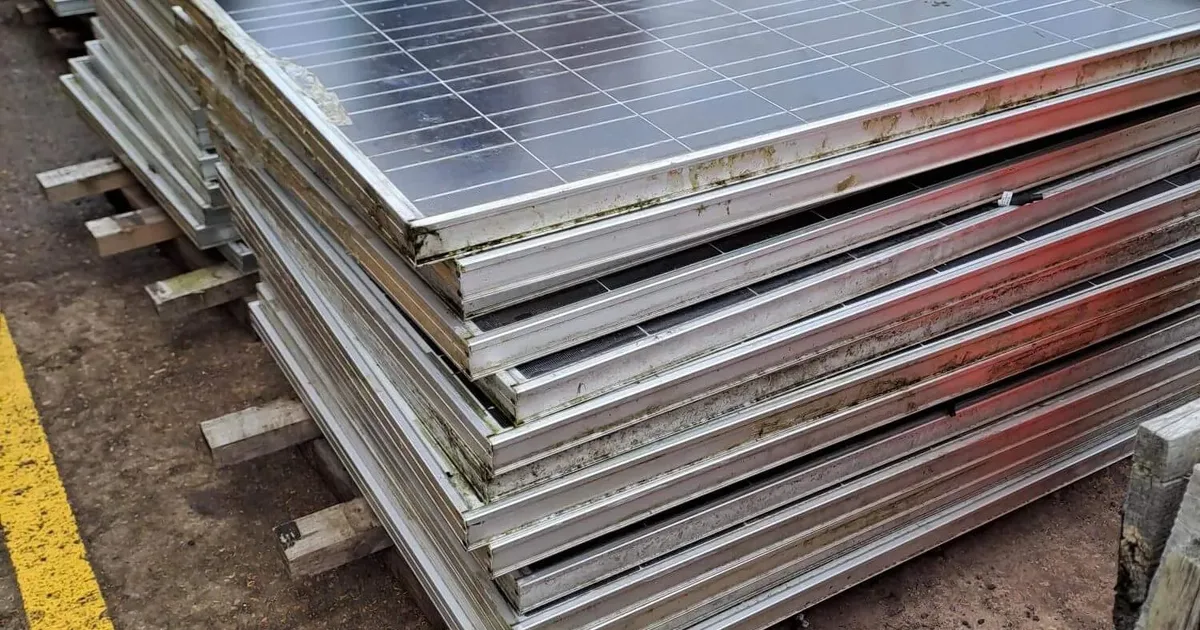
The cost of solar panel recycling depends on a few main things: how many panels there are, their condition, the type of panel, where they are, and whether they are collected or dropped off. How the panels are packed and how easy the site is to access also play a part. Every quote is built from these details, which is why there is no single fixed price.
This guide explains each factor for UK businesses, including solar installers, O&M contractors, solar farm owners and manufacturers. It describes the position in England. Different rules can apply in Scotland, Wales and Northern Ireland.
What Affects the Cost of Recycling Solar Panels?
Quantity of Panels
Volume is usually the biggest factor. The cost of a vehicle, driver and collection is shared across every panel in the load. Larger quantities therefore tend to cost less per panel.
Smaller loads can still be collected. The fixed costs simply make up a larger share of the price.
Condition: Working, Damaged or Broken
Panels in working order may be suitable for reuse. PV Recycling checks whether panels can be reused before they are recycled, and this can be reflected in the quote.
Damaged panels, such as those with cracked glass or bent frames, can need more care in handling, transport and processing. This is why condition is one of the first questions on a quote request.
Panel Type, Make and Model
Not all panels are built the same way. Crystalline silicon panels and thin-film panels use different materials and go through different processing steps.
The make and model help identify the panel type and what it contains. Mixed loads of different panel types are also possible, but they take longer to sort.
Location of the Panels
Panels are recycled in-house at PV Recycling's facility in Burscough, Lancashire. Collections are available nationwide, but the distance from the site to the facility affects transport costs.
Remote or hard-to-reach sites can add travel time. Postcodes are used to plan routes and price collections.
Collection or Drop-Off
A collection includes the vehicle, the driver and their time on site, and this is built into the quote. Dropping panels off at the facility removes the collection cost, where drop-off is arranged in advance with the team.
Businesses that carry their own waste may need to be registered as a waste carrier. GOV.UK explains who needs to register as a waste carrier.
Packing, Loading and Site Access
Panels stacked on pallets and ready to load are quicker to collect than loose panels. Time on site is part of the cost, so preparation makes a difference.
PV Recycling also offers on-site services. Our own team can palletise and band the panels and oversee loading onto transport. This is included in the quote when needed.
Site access matters too. Vehicle size restrictions, the need for a tail-lift, or loading from a field or rooftop area can all affect the type of vehicle and the time needed. For larger projects, see our solar panel decommissioning service.
One Site or Several
Organisations with panels across several locations can use PV Recycling's multi-site collection service. Eligible customers benefit from dedicated logistics planning, streamlined scheduling and discounted disposal rates based on volume.
Documentation
Every collection includes duty of care documentation and a recycling certificate. Certificates of destruction and video verification are available on request.
Mentioning these when asking for a quote means they can be included from the start.
Other Solar Equipment
Solar inverters and solar batteries can be collected alongside panels. Including them in the same collection avoids a separate trip.
Some batteries, particularly lithium-ion batteries, can be classed as dangerous goods for transport, which affects how they are carried. GOV.UK explains the rules on moving dangerous goods.
What Information Is Needed for a Quote?
An accurate quote depends on a clear description of the panels. PV Recycling's team usually asks for:
- The number of panels, or an approximate weight
- The make and model of the panels
- Their condition: working, damaged or a mix
- The site address and postcode
- Whether you need our on-site palletising and loading service
- How the panels are stored, for example on pallets or loose
- Any site access limits, such as vehicle size or loading restrictions
- Whether there are panels at more than one site
- Any inverters or batteries to collect at the same time
- Any extra documentation needed, such as certificates of destruction
- The timescale, for example a planned decommissioning date
Photos of the panels and the loading area also help the team quote accurately.
Solar Panel Recycling and Compliance
Solar panels are covered by the WEEE Regulations, which set out how waste electrical and electronic equipment (WEEE) is handled in the UK. Photovoltaic panels are listed as their own category of electrical and electronic equipment covered by the regulations.
Businesses also have a waste duty of care. This includes passing waste only to an authorised person and keeping records of each transfer. The documentation supplied with every PV Recycling collection supports these records.
This guide describes the position in England. In Scotland, Wales and Northern Ireland, the regulators are SEPA, Natural Resources Wales and the Northern Ireland Environment Agency, and some rules differ.
FAQs
There is no single fixed price. Each quote depends on the number of panels, their condition and type, the site location, and whether they are collected or dropped off.
Usually, yes. Collection and transport costs are shared across every panel in the load, so the cost per panel tends to fall as volume rises.
They can. Panels with broken glass or damaged frames may need more care in handling, transport and processing than intact panels.
Sometimes. PV Recycling checks whether panels can be reused before they are recycled. Panels that are beyond economic repair go through the recycling process.
The number of panels, their make, model and condition, and the site postcode. Details on packing, site access and any other equipment help make the quote more accurate.
Get a Quote for Solar Panel Recycling
PV Recycling collects and recycles solar panels for businesses across the UK, with all panels processed in-house. For a quote, contact our team with the number of panels, their make, model and condition, and the site postcode.
Call 0845 366 9306 or email recycle@pvrecycling.co.uk. Find out more about our solar panel recycling service.
Sources
- GOV.UK: Regulations: waste electrical and electronic equipment (WEEE)
- GOV.UK: Electrical and electronic equipment (EEE) covered by the WEEE Regulations
- GOV.UK: Managing your waste: an overview
- GOV.UK: Register as a waste carrier, broker or dealer
- GOV.UK: Moving dangerous goods
This article is for general information only and does not constitute professional or legal advice. Waste producers are legally responsible for correctly classifying their waste. For guidance on your specific solar panel waste, please contact our team.
PV Recycling
Published 27 November 2026 · Tips & Guides
Share:
Related Posts
Send Us A Message
Related Posts
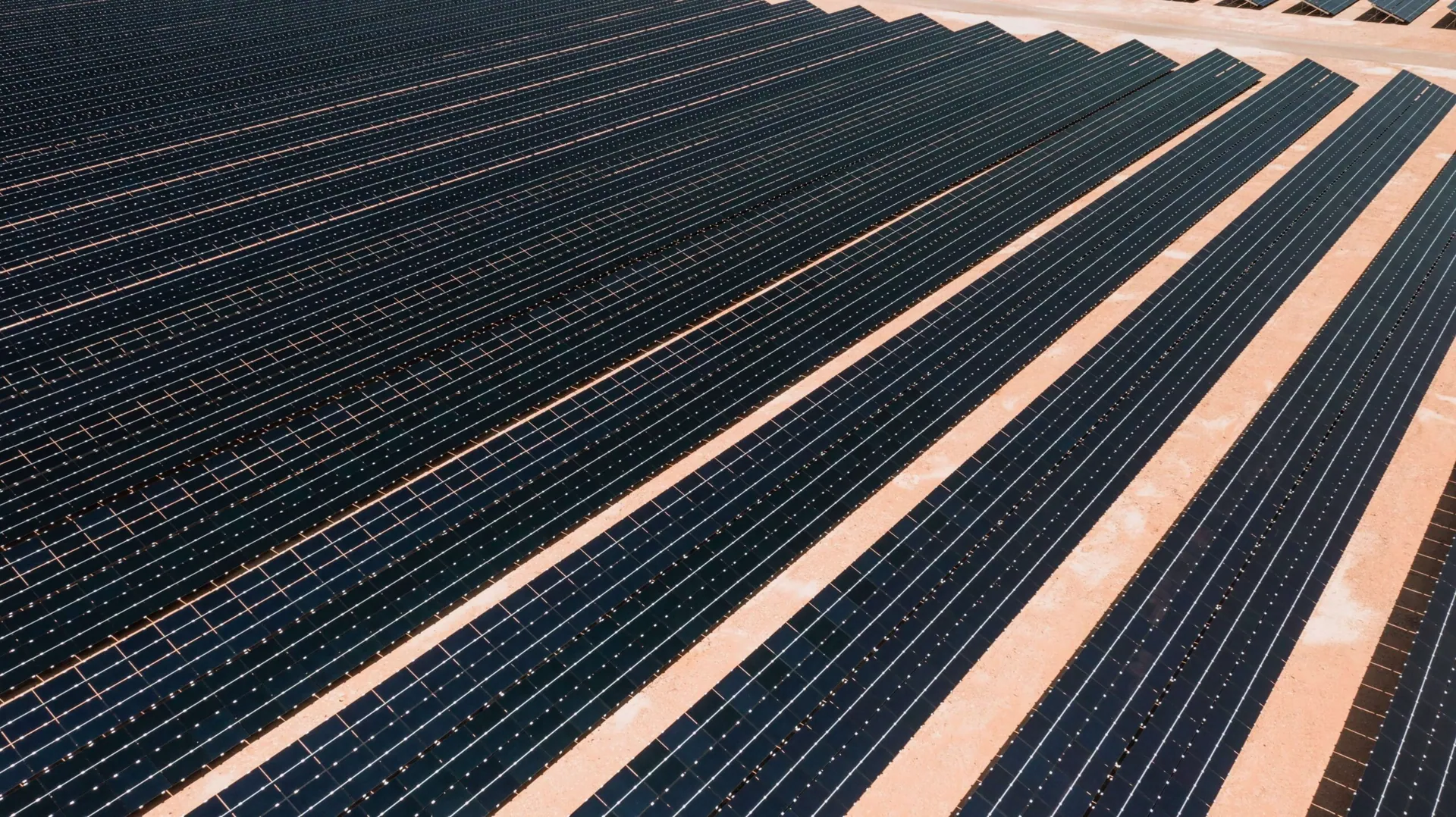
Solar Energy Statistics 2026
Solar Energy Statistics 2026 show the fast growth of solar power and its larger role in renewable electricity. Across the world, governments, businesses and households
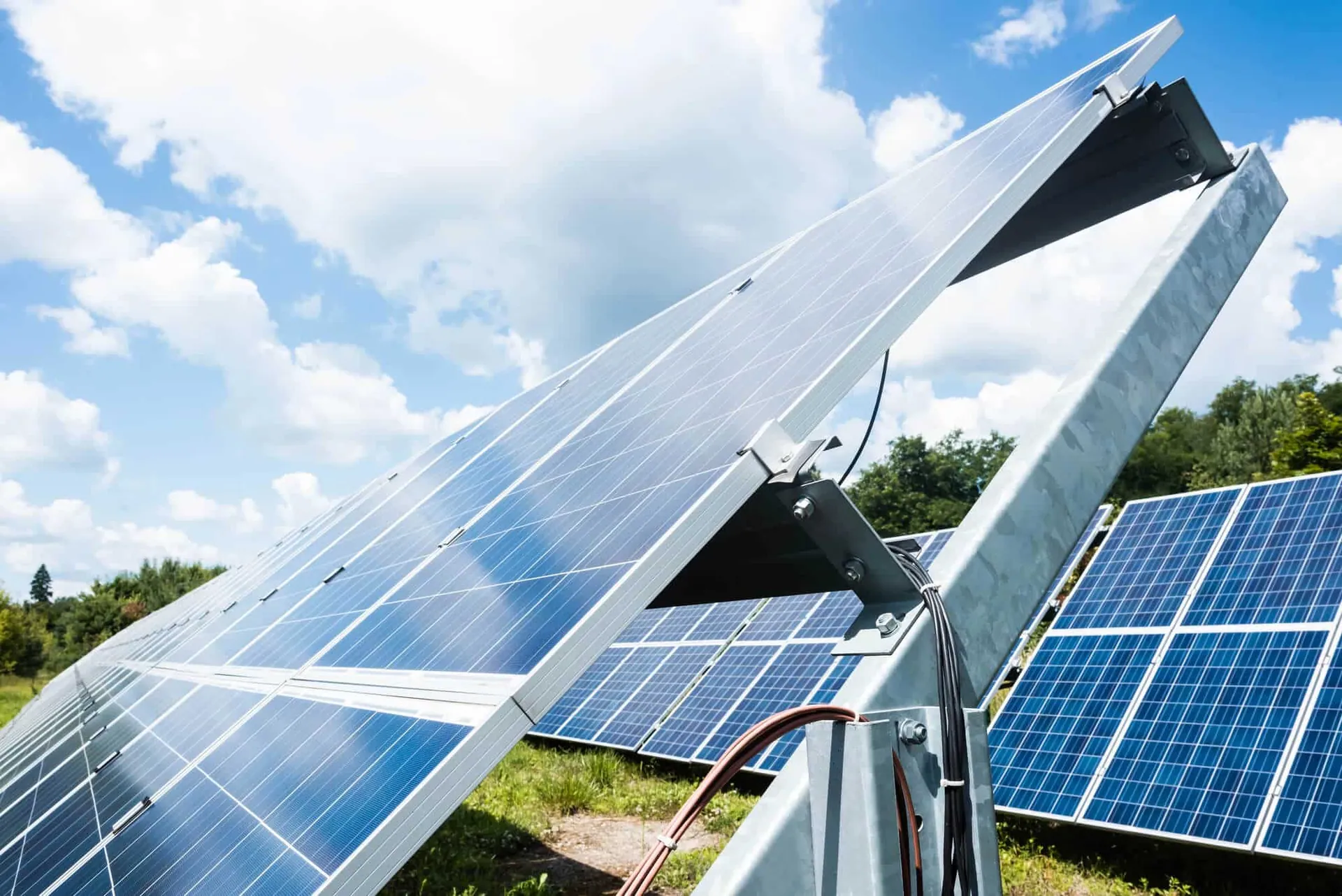
How Does Solar Power Reduce Carbon Emissions?
Solar power reduces carbon emissions by generating electricity without burning fossil fuels during operation. Solar panels can replace some electricity from higher-emission energy sources, helping
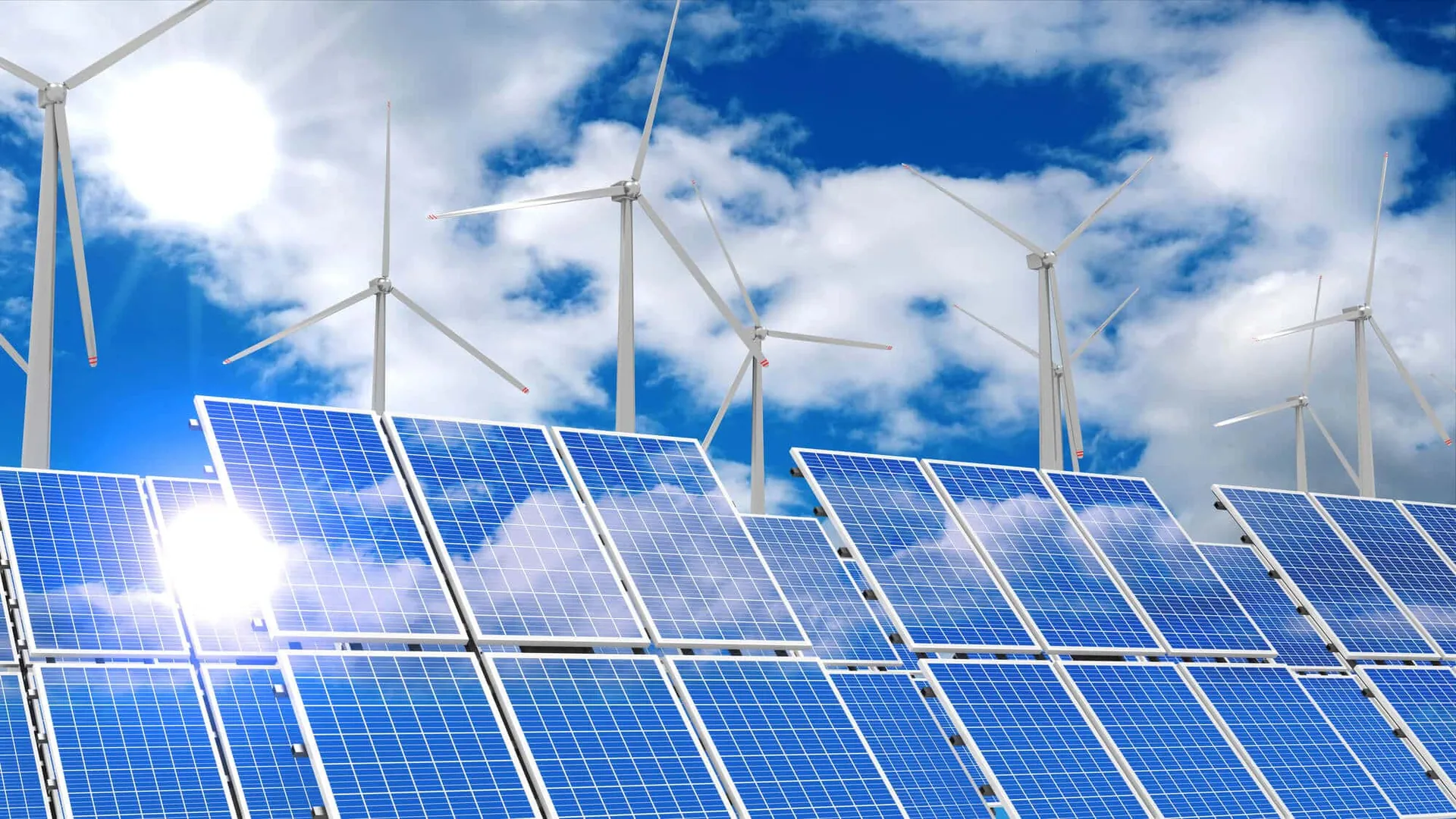
Can Solar Panels Generate Electricity on Cloudy Days?
Solar panels can produce electricity on cloudy days because they respond to daylight, not only direct sunshine, and in heavy cloud the energy output usually