
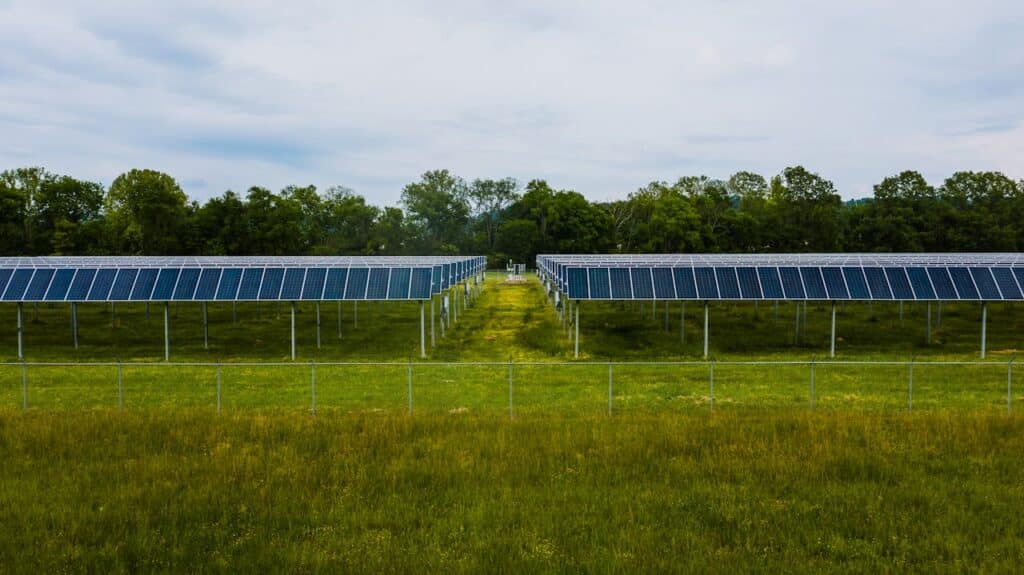
The solar industry has grown quickly. More homes and businesses are using solar energy instead of fossil fuels. According to the International Energy Agency’s Photovoltaic Power Systems Programme (IEA PVPS), global solar PV capacity reached 2.96 terawatts by the end of 2025. About 690 gigawatts were added during the year.
That growth also means more panels will one day need careful handling. Solar panel recycling helps recover useful materials, cut waste and support a more circular solar industry in the UK.
The Solar Panel Lifecycle Challenge
Solar panels are usually built to last about 25 to 30 years. Actual life depends on condition, performance and the site. As older arrays are replaced, damaged panels are removed and solar farms are repowered, more solar equipment needs end-of-life care.
Without proper recycling and disposal, discarded panels can waste resources and create environmental risks. Some panels also contain materials such as lead or cadmium in certain technologies, so they need careful handling.
Planning for the end of a panel’s life is part of sustainable solar energy. Businesses can cut waste by checking whether panels can still be used and arranging recycling when reuse is no longer possible.
Innovative Approaches to Solar Panel Recycling
Solar panel recycling methods are improving. The IEA PVPS report from 2025 says recycling is moving beyond simple separation toward better metal recovery and higher-value uses for recovered materials.
The process can include removing aluminium frames and junction boxes, separating laminated layers and processing glass, silicon and metal parts. The method used depends on the panel design, the material mix and the recycling plant.
Mechanical processing can sort materials into different groups. More specialist methods may be needed for bonded or laminated parts. Solar panel innovation is also helping improve layer separation and chemical recovery methods while lowering environmental impact.
Not every plant gets the same recovery rate or material quality. The IEA PVPS 2025 report points to limited commercial-scale capacity, high logistics costs and weak markets for recovered materials as ongoing problems.
These changes show why investment in strong recycling systems and reliable downstream markets matters for the environmental and economic performance of solar panel recycling.
Turning Waste into Valuable Resources
Solar panels contain materials that can still hold value after retirement. These include glass, aluminium, silicon and smaller amounts of copper and silver. Recovering them can lower demand for virgin raw materials and support manufacturing and other industrial uses.
After collection, panels are checked and processed to separate each part. Recovered materials may then be sorted, treated or refined further so they fit the needs of their next use.
The benefits depend on the materials recovered, their purity and the market available. For example, recovering glass and aluminium can keep useful resources out of disposal, while higher-value metals may need more specialist processing.
The long-term goal is to raise the share of reclaimed material used in new products, including future solar technologies where that is technically and commercially possible. But sending recovered material straight back into new solar panels is not always possible, and other industrial uses may be more practical.
The IEA PVPS 2025 report also stresses the need to improve material recovery and build markets that can use recycled material well. These gains can improve resource efficiency across the solar supply chain.
Benefits for Businesses and the Environment
For businesses, responsible solar panel recycling supports waste compliance and shows a commitment to sustainable operations. It can also give a clearer record of how retired equipment is managed and which materials are recovered.
In the UK, solar panels fall under the Waste Electrical and Electronic Equipment (WEEE) regulatory framework. Businesses should make sure end-of-life panels go through proper waste routes and that duty-of-care and waste paperwork duties are met.
More information is available in the official GOV.UK guidance on WEEE regulations and the guidance on electrical and electronic equipment covered by the WEEE Regulations.
From an environmental view, recycling saves natural resources, cuts the amount of waste sent to disposal and returns useful materials to the economy. The full benefit depends on good collection, proper processing and careful use of recovered materials.
Businesses that manage solar installations can improve end-of-life planning by keeping equipment records, considering reuse where it makes sense and arranging specialist recycling for panels that have reached the end of their life.
Looking Ahead: The Future of Solar Panel Recycling
The solar industry is expected to stay a key part of the global energy transition. IEA PVPS reported in September 2026 that global PV capacity reached 2.96 TW by the end of 2025, showing the scale of deployment that future planning must handle.
As more panels reach retirement, recycling systems will need to keep up with changing waste volumes, panel designs and material recovery needs.
Better recycling technology could raise material recovery, improve recycled output quality and make processing more cost-effective. Better collection, efficient transport and stronger markets for recovered materials will also matter.
The industry must meet these challenges so the environmental gains from solar energy continue beyond electricity generation. Responsible end-of-life management cuts waste, saves resources and supports a more circular approach to renewable energy.
For UK businesses, planning early for solar panel reuse and recycling can support compliance and better resource management. Specialist recycling services can help organisations handle retired panels through proper collection, processing and documentation.
As the sector develops, solar panel recycling will remain a key part of a more sustainable solar industry. It helps make sure valuable materials are recovered where possible and that end-of-life equipment is handled responsibly.