
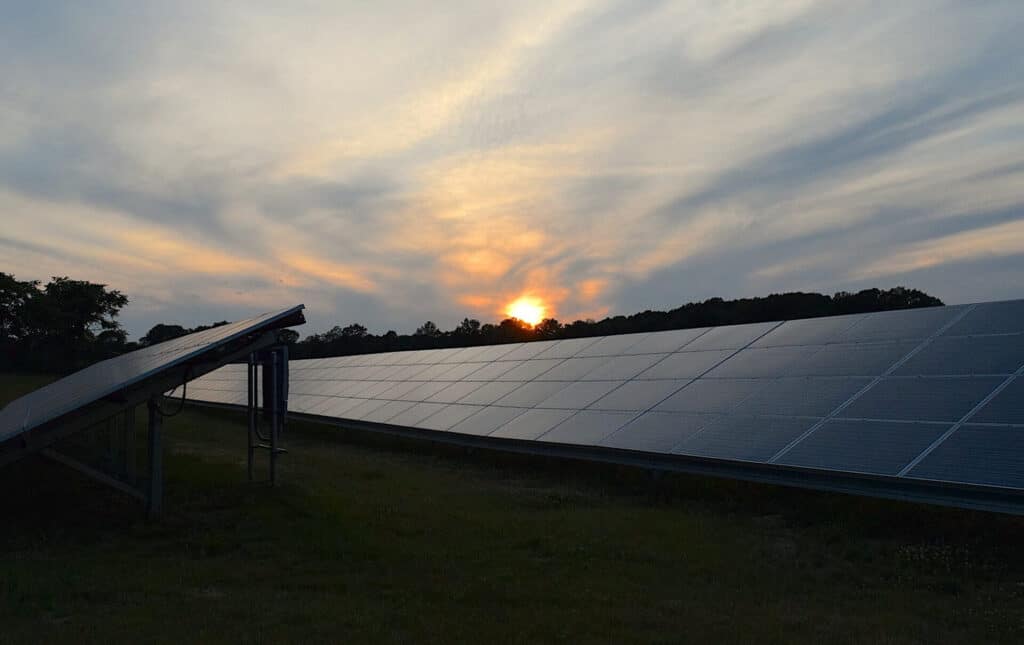
The global PV waste problem is growing as solar deployment increases. Expanding recycling capacity now can help the solar industry manage future waste and recover valuable materials.
The Scale of the Global PV Waste Problem
Solar power is expanding at remarkable speed, but the global PV waste problem is becoming an increasingly important issue for the renewable energy industry. As more solar panels are installed worldwide, more modules will eventually reach the end of their useful lives. Building sufficient recycling capacity now can help businesses, governments and the solar sector manage this future waste stream responsibly and efficiently.
The growth of solar deployment provides a clear indication of what is ahead. IEA PVPS reports that global photovoltaic capacity approached 3 terawatts by the end of 2025, following around 698 GW of new installations during the year.
Solar panels can remain in service for decades, but they do not last indefinitely. Some modules are retired early because of damage, faults, repowering projects, severe weather or declining performance. Others reach the end of their expected operating life. As the installed base continues to expand, end-of-life volumes will increase after the normal delay between installation and replacement.
Earlier IRENA and IEA PVPS projections estimated that cumulative PV panel waste could reach 60 to 78 million tonnes by 2050, depending on the loss scenario. This makes early investment in suitable recycling infrastructure increasingly important.
Why Recycling Capacity Matters Now
Recycling capacity involves more than simply having facilities that process old solar panels. It also includes collection networks, transport, sorting systems, treatment equipment, trained workers and reliable markets for recovered materials. Without sufficient capacity across these stages, unwanted modules can face delays, higher transport costs or unsuitable end-of-life routes.
The current market also presents economic challenges. IEA PVPS has identified low waste volumes in some regions, logistics difficulties, limited technologies and underdeveloped markets for recovered materials as factors that can make PV recycling expensive. Gradually expanding capacity can help the industry prepare before waste volumes become significantly larger.
Early investment can also support improvements in recycling technology. Modern processes can recover materials such as glass, aluminium, silicon and metals. Research continues to focus on improving recovery rates, material purity and process efficiency.
Mechanical recycling remains an important commercial approach for crystalline-silicon modules, while thermal and chemical methods can support higher recovery and purity for selected materials. As technology develops, greater recycling capacity can make these solutions more accessible across the solar industry.
What Happens If Capacity Does Not Keep Pace?
If recycling infrastructure grows more slowly than solar deployment, the industry could face an end-of-life bottleneck. Large numbers of modules may need to travel longer distances to reach suitable recycling facilities. This can increase handling and transport costs while making responsible waste management more difficult for smaller businesses and project owners.
Limited capacity could also reduce the value recovered from old solar panels. When systems are designed mainly to manage waste rather than recover useful resources, valuable materials may be lost or downgraded. A stronger recycling network can support a more circular approach by keeping recovered materials in productive use.
Solar panels contain materials that can contribute to future manufacturing supply chains. IRENA and IEA PVPS have highlighted the potential economic value of recovered PV materials, showing that effective end-of-life management can create environmental and commercial opportunities.
Building a Stronger PV Recycling System
Preparing for future PV waste requires action across the entire solar value chain. Manufacturers can improve product design and provide clearer information about module composition. Project owners can plan end-of-life management before installation. Governments can establish clear requirements for collection, treatment and recycling. Recycling companies can invest in equipment, processing expertise and regional collection networks.
Reuse and refurbishment should also be considered where modules remain safe and technically suitable. Recycling becomes particularly important when solar panels are damaged, degraded or no longer practical to reuse. A flexible system that considers repair, reuse and recycling can keep more materials in circulation while reducing unnecessary waste.
Data is another important part of capacity planning. Better information about module types, quantities, locations and expected retirement dates can help recyclers estimate future demand and prepare the right processing capacity.
The Role of Businesses in the Transition
Businesses involved in solar generation, installation, maintenance and waste management can prepare by reviewing their current end-of-life procedures. Choosing responsible recycling partners can help organisations strengthen environmental management while reducing the risk of uncontrolled disposal.
For businesses seeking practical solutions, a dedicated PV recycling service can provide a structured route for unwanted or damaged modules. A specialist solar panel recycling process can also help businesses understand how solar panels are collected, separated and processed.
As renewable energy continues to grow, responsible management of solar panels should become part of long-term project planning. Preparing early can make it easier for businesses to manage waste efficiently when older modules begin leaving the solar PV system.
A More Circular Future for Solar
The global PV waste problem is a challenge created by the success of solar power. Strong deployment has delivered major renewable energy benefits, but the industry must also plan for what happens when solar panels are no longer needed.
Recycling capacity matters now because infrastructure, technology, logistics and recovered-material markets take time to develop. Waiting until waste volumes peak could leave the industry reacting to a problem that could have been planned for years earlier.
By investing in effective collection, responsible treatment, material recovery and better recycling technology today, the solar sector can make its growth more sustainable. A strong end-of-life system can help ensure that tomorrow’s solar waste becomes a source of recovered resources rather than a growing environmental burden.