
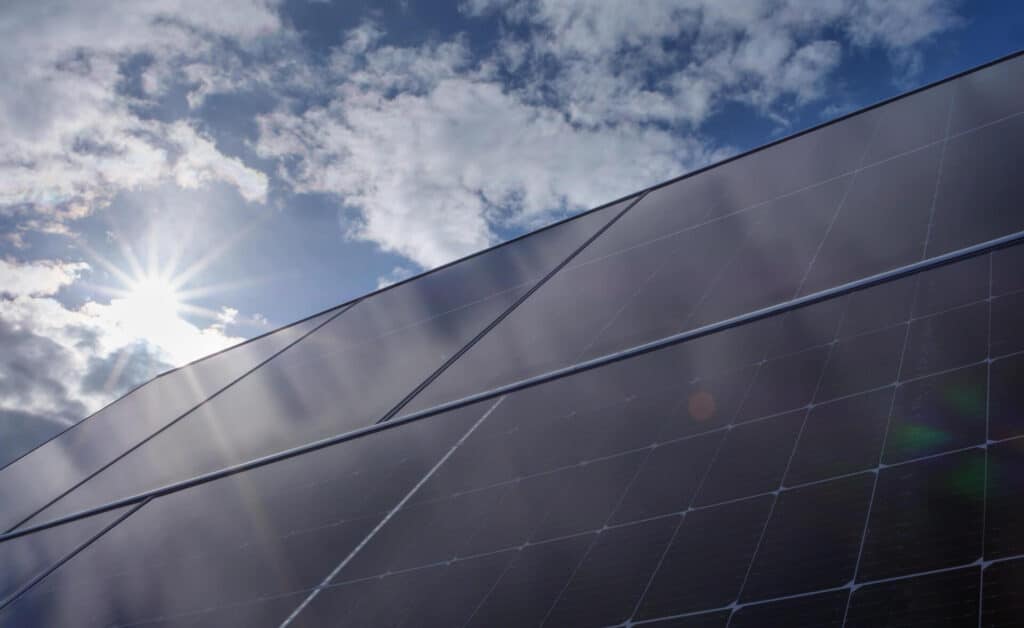
Solar panel recycling could become a major growth area as solar power expands and more solar panels reach the end of their useful lives. Growing recycling capacity could support material recovery, reduce waste and strengthen the circular economy.
Why Solar Panel Recycling Matters
Solar power is expanding across the world as businesses, governments and households look for lower-carbon energy sources. However, every solar panel eventually reaches the end of its useful life.
Panels can become damaged, outdated or inefficient before they are physically worn out. When this happens, responsible recycling can help recover useful resources instead of sending valuable materials to landfill.
The International Renewable Energy Agency (IRENA) estimates that cumulative photovoltaic waste could reach millions of tonnes as existing installations reach end of life. This makes effective solar panel recycling increasingly important for the renewable energy industry.
Could Solar Panel Recycling Become a Nearly $1 Trillion Opportunity?
The idea of solar panel recycling becoming a nearly $1 trillion opportunity should be viewed as a long-term possibility rather than a confirmed market valuation.
The potential opportunity extends beyond the value of recycled panels. It can include collection, transportation, sorting, processing, equipment, material recovery and the resale of recovered resources.
As solar installations continue to increase, demand for recycling services is also likely to grow. Companies that develop efficient solutions could benefit from the expanding need for end-of-life solar panel management.
The Value Hidden Inside Solar Panels
Solar panels contain materials that can be recovered and reused. Glass and aluminium make up significant portions of many photovoltaic modules, while copper, silicon and other components may also have recovery value.
Effective recycling can return these materials to manufacturing supply chains. This reduces the need for some virgin resources and supports more efficient resource use.
For this reason, solar panel recycling is not simply a waste disposal activity. It can become part of a wider resource recovery industry that supports both environmental and commercial objectives.
Recycling Capacity Will Shape Future Growth
The growth of solar power will create more end-of-life panels over time. Without sufficient recycling capacity, waste volumes could place pressure on existing waste management systems.
Investment in dedicated recycling facilities, improved processing technology and reliable collection networks can help the industry prepare for future demand.
Greater recycling capacity could also make it easier for solar developers and businesses to manage old panels responsibly when upgrading or replacing installations.
Solar Panel Recycling and the Circular Economy
A stronger circular economy depends on keeping useful materials in circulation for as long as possible. Solar panel recycling supports this principle by recovering resources that could otherwise become waste.
The opportunity is particularly important because the solar industry is expected to keep expanding. Building recycling systems alongside new solar capacity can help ensure that the renewable energy transition remains resource-efficient.
Businesses involved in solar manufacturing, installation, asset management and waste services can all contribute to this developing market.
What Could Drive the Market Forward?
Technology will be one of the main factors influencing future solar panel recycling. More efficient separation and recovery methods could improve the quality and value of recovered materials.
Government policies may also influence investment. Clear end-of-life requirements, recycling targets, and responsible waste management rules can encourage businesses to develop stronger collection and processing systems.
According to IRENA’s research on end-of-life solar photovoltaic panels, better management of photovoltaic waste could create environmental and economic benefits.
A Long-Term Opportunity
Solar panel recycling may not become a nearly $1 trillion industry on its own, but the wider opportunity could be substantial. Rising solar panel waste, increasing recycling capacity and demand for recovered materials can create new commercial opportunities.
The businesses that invest in practical recycling solutions today could be well placed to support the next stage of solar power growth.
Solar panel recycling is becoming an increasingly important part of the renewable energy sector. As more solar panels reach end of life, recycling capacity will need to grow alongside new installations.
By recovering valuable materials and supporting a circular economy, the industry can turn a future waste challenge into a valuable resource opportunity.