
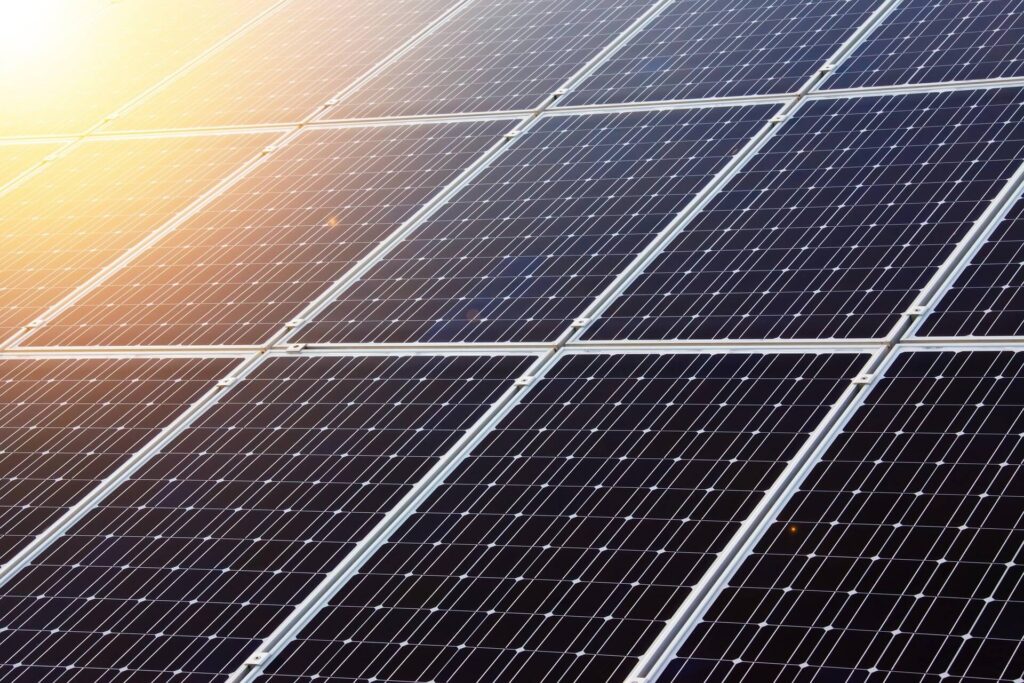
Solar power is expanding rapidly, creating a cleaner energy system while also creating a growing responsibility for end-of-life equipment. Why regional recycling capacity could shape the future of PV waste management is becoming an important question for solar developers, installers, manufacturers, waste operators, and policymakers. As more photovoltaic panels reach the end of their useful lives, the industry will need recycling infrastructure that can manage increasing volumes efficiently and responsibly.
Photovoltaic panels are designed to operate for decades, but they do not last forever. Panels can become waste because of age, damage, manufacturing faults, severe weather, repowering projects, system upgrades or changes in the economics of a solar installation. This means PV waste does not arrive in one predictable stream. It can appear in different quantities, locations and timeframes.
The International Renewable Energy Agency and the International Energy Agency Photovoltaic Power Systems Programme have previously estimated that global PV panel waste could reach around 78 million tonnes by 2050 under an early-loss scenario. They also identified significant economic value in the materials that could be recovered from this waste.
This future makes regional recycling capacity more than a waste management issue. It is becoming an infrastructure question. The location, scale and capability of recycling facilities could influence transport costs, environmental impacts, recovery rates, business decisions and the ability of the solar industry to build a stronger circular economy.
The Growing Challenge of PV Waste Management
The rapid growth of solar generation means the number of photovoltaic modules in use today is much greater than it was a decade ago. Most panels have long service lives, so the largest volumes of end-of-life modules will not necessarily appear immediately after installation. However, early failures and repowering can bring panels into the waste stream much sooner.
The IEA PVPS Task 12 report published in 2025 highlights that current PV recycling faces economic and capacity challenges. Low waste volumes in some markets, limited recycling technologies, logistics difficulties, and underdeveloped markets for recovered materials can make recycling expensive today. The same report also stresses the need to improve recycling capacity and technology before future demand increases substantially.
This creates a planning challenge for the industry. Recycling facilities need enough material to operate efficiently, but waste volumes may remain uneven across different regions for years. A facility built too early in an area with very little PV waste may struggle to achieve commercial viability. A facility built too late in a region experiencing rapid decommissioning could face capacity shortages.
Regional planning can help address this imbalance. Instead of treating PV recycling as a single global problem, the industry can examine where panels are being installed, where older systems are concentrated, where repowering is expected, and where transport networks already support recycling operations.
Why Regional Recycling Capacity Matters
Regional recycling capacity means having appropriate collection, logistics, processing and material recovery infrastructure close enough to the areas generating PV waste. It does not necessarily mean every region needs its own large recycling plant. Instead, it means recycling networks should be designed around realistic waste volumes and transport requirements.
A well-planned regional network can connect solar farms, installers, manufacturers, decommissioning contractors and recycling facilities. Collection points can consolidate smaller quantities, while larger commercial projects can send substantial volumes directly to suitable processing facilities.
This approach can reduce unnecessary movement of bulky panels. PV modules contain a large proportion of glass, alongside aluminium, silicon, copper, polymers and other materials. The US Environmental Protection Agency notes that glass accounts for about 75% of the weight of a typical crystalline-silicon solar panel, while aluminium, copper and other components can also be recovered.
Because panels are relatively bulky compared with the value of some recovered materials, logistics can have a major effect on recycling economics. A regional network can help make collection routes more efficient and reduce the distance between waste generation and appropriate treatment.
Transport Could Become a Major Factor
Transport is an important part of PV waste management because panels require careful handling, storage and movement. Large solar farms can generate significant quantities of modules during repowering or decommissioning. Moving these materials over long distances can increase fuel use, labour requirements and operating costs.
Regional recycling capacity can help create shorter and more efficient collection routes. A recycling facility located near a concentration of solar installations may be able to receive larger loads without requiring long-distance transport.
The benefits are not limited to cost. Reducing unnecessary transport can also help lower the environmental impacts associated with collection and movement. However, regional capacity should not be interpreted as a requirement to build a recycling facility in every area. A poorly utilised plant may create its own environmental and financial problems.
The better approach is to create connected regional networks where collection, consolidation and processing are coordinated. Some areas may require local collection hubs, while larger solar markets may justify dedicated recycling plants.
Regional Waste Volumes Will Not Be Equal
One of the strongest arguments for regional planning is that PV waste will not be distributed evenly around the world. Solar deployment varies significantly between countries, regions and individual markets.
Some areas have experienced major solar expansion and may eventually produce substantial volumes of end-of-life panels. Other regions may have smaller installed bases and therefore lower recycling demand. Even within the same country, waste generation can vary between regions because of differences in solar farm development, rooftop installations, weather exposure, repowering activity and local policy.
This means recycling capacity should follow realistic waste forecasts rather than simple population or geographic boundaries.
The IRENA and IEA PVPS analysis demonstrated how concentrated future PV waste could become, with a relatively small number of major solar markets accounting for substantial portions of projected waste volumes.
Understanding these regional differences can help businesses and governments decide where investment is most urgently needed.
The Economics of Building Recycling Capacity
Recycling capacity is ultimately influenced by economics. A recycling plant requires investment in land, machinery, labour, environmental controls, maintenance, transport infrastructure and regulatory compliance. Operators also need a reliable supply of material and markets for recovered products.
This can be challenging when PV waste volumes are still developing. The IEA PVPS has highlighted that low current volumes and limited markets for recovered materials can create a high-cost, low-revenue environment for PV recycling.
Regional capacity can improve the economics by bringing enough material together to support efficient processing. Collection networks can consolidate panels from several nearby sources, creating more predictable feedstock for recycling plants.
At the same time, recycling businesses need to understand the quality and composition of the panels they receive. Different module technologies can require different treatment approaches. Crystalline-silicon modules dominate the market, but thin-film technologies and other module designs can require alternative processing methods.
The long-term objective should therefore be flexible recycling infrastructure capable of adapting to changing panel designs, waste volumes and material markets.
Recycling Technology Needs to Scale With Demand
Technology will play an important role in determining how effectively regional recycling capacity can operate. Current recycling systems can recover materials such as glass, aluminium and copper, while more advanced processes seek to recover higher-value materials including silicon and silver.
The EPA explains that PV recycling can involve removing the frame and junction box, separating glass and silicon through mechanical, thermal or chemical processes, and recovering materials such as silicon, silver, tin, lead and copper.
Recent research indicates that recycling technology is continuing to develop. The 2026 IEA PVPS update reports measurable improvements in recycling performance, including better recovery rates, process yields and output purity. Mechanical recycling remains an important commercial approach for crystalline-silicon modules, while thermal and chemical combinations are being explored for higher recovery and purity of silicon, silver and other metals.
This progress matters because future recycling facilities may need to process larger quantities while recovering more valuable materials. Regional plants could become centres for technological development as well as waste treatment.
Material Recovery Can Strengthen Supply Chains
Solar panels contain materials that have value beyond the waste stream. Recovering these materials can support manufacturing and reduce reliance on virgin resources.
Glass is present in large quantities, while aluminium, copper and silicon can also be recovered. Some photovoltaic technologies contain smaller quantities of valuable or strategically important materials. The EPA identifies aluminium, silicon and copper among materials associated with solar panels that can contribute to resource recovery.
The opportunity becomes more significant when PV recycling is viewed as part of a circular supply chain rather than simply a disposal service.
Recovered materials can potentially be supplied to manufacturers or other industries. This creates an economic reason to improve recovery quality. Materials that are contaminated or poorly separated may have limited value, while cleaner material streams can have more useful applications.
Regional recycling infrastructure can support this process by developing relationships between recyclers and nearby manufacturers, material processors and commodity markets.
The Role of Collection Networks
Recycling capacity is only useful if PV waste can reach the facility efficiently. This makes collection infrastructure an essential part of the wider system.
A commercial solar farm may generate hundreds or thousands of panels during a decommissioning project. By contrast, an installer may accumulate smaller quantities from damaged panels, warranty replacements or individual projects. These different sources require different collection models.
Regional collection points can provide an efficient solution for smaller quantities. Larger projects may benefit from direct collection from the site. In both cases, proper packaging, handling, documentation and transport planning are important.
A successful regional model therefore needs more than processing machinery. It needs a practical route from the point where a panel becomes waste to the point where its materials are recovered.
Regulation Can Influence Regional Capacity
Regulation is another factor that could shape where recycling capacity develops. PV panels are electrical equipment, and end-of-life requirements vary between jurisdictions.
In the UK, photovoltaic panels fall within the Waste Electrical and Electronic Equipment framework. Businesses handling end-of-life panels need to consider their responsibilities for proper waste management and documentation.
Regulatory systems can influence investment decisions because recyclers need clarity about collection obligations, producer responsibility, treatment standards and reporting requirements.
The regulatory picture can also vary between regions. The IEA PVPS 2025 assessment shows different approaches across countries, including extended producer responsibility systems and different recycling arrangements. South Korea, for example, has operated an EPR system for PV module waste since January 2023 and has established a network of specialised recycling companies across regional centres.
Clear and consistent regulation can therefore encourage investment by making future waste flows more predictable.
Regional Capacity Can Support a Circular Solar Economy
The solar industry is often associated with sustainability because photovoltaic systems generate renewable electricity without direct operational emissions. However, sustainability also requires consideration of the entire product life cycle.
A circular solar economy aims to keep products and materials in use for as long as possible. Reuse can extend the life of suitable modules, while recycling can recover materials when panels are no longer suitable for continued use.
This makes regional recycling capacity an important part of solar’s long-term sustainability story.
When panels are processed close to appropriate recycling infrastructure, valuable materials can be recovered and returned to productive use. This reduces the need to treat the panels simply as waste and creates a pathway towards resource recovery.
The potential scale is considerable. IRENA and IEA PVPS estimated that the recoverable material stock from end-of-life PV panels could reach 78 million tonnes by 2050 under their early-loss scenario, with a potential material value exceeding US$15 billion.
These figures demonstrate why future recycling infrastructure should be considered part of renewable energy infrastructure.
What Regional Recycling Capacity Means for Solar Businesses
Solar businesses have a direct interest in the development of regional recycling networks. Installers, solar farm operators, manufacturers, maintenance companies and decommissioning contractors all need reliable options when panels become waste.
Having recycling capacity within a practical distance can make project planning easier. Businesses can establish collection arrangements before decommissioning begins, understand expected transport requirements and prepare the documentation needed for responsible waste management.
This is especially important for large solar farms. A decommissioning project may involve substantial numbers of panels being removed within a limited timeframe. Without suitable recycling capacity, waste can accumulate while operators search for an appropriate treatment route.
Businesses can reduce this risk by considering end-of-life management during the planning stage rather than waiting until panels have already been removed.
For companies looking for a UK commercial solution, our solar panel recycling services can provide professional recycling services with compliance at its core.
Why Infrastructure Planning Should Start Early
Waiting until PV waste becomes a major problem could create unnecessary pressure on the recycling industry. Infrastructure requires time to plan, finance, permit, construct and operate.
Early investment can help the market develop before waste volumes reach their highest levels. It can also encourage innovation and create stronger relationships between recyclers, solar companies, manufacturers and policymakers.
The objective is not necessarily to build maximum capacity immediately. Instead, the industry should build capacity in stages, matching investment with credible forecasts.
This could include expanding existing recycling facilities, developing regional collection hubs, improving transport networks and investing in technology that can process different module designs.
Data will be particularly important. Recycling operators need better information about where panels are installed, their expected lifetimes, their technologies and when they are likely to be replaced.
Better data can reduce the risk of overbuilding capacity in one region while leaving another region under-served.
Regional Recycling Capacity Could Reduce Future Waste Risks
A strong regional recycling network can provide resilience when unexpected events increase PV waste. Extreme weather, manufacturing defects, product recalls and accelerated repowering can all create waste outside normal forecasts.
If recycling capacity is concentrated in only a few locations, sudden increases in waste could create bottlenecks. Panels may need to travel further, storage periods may increase and businesses may face higher costs.
A distributed network provides more flexibility. Several facilities can share demand, while collection hubs can redirect material according to available capacity.
This does not mean that every facility needs to perform every type of recycling. Specialisation can be beneficial. One facility may focus on particular panel technologies, while another may specialise in high-volume mechanical processing.
The Future of PV Waste Management Will Be Regional and Connected
The future of PV waste management is unlikely to depend on a single recycling technology or a single large facility. Instead, it will depend on connected networks that combine collection, transport, sorting, reuse, recycling and material recovery.
Regional capacity can make these networks more practical because it brings infrastructure closer to where waste is generated. It can support more efficient logistics, reduce unnecessary transport and help recyclers secure reliable feedstock.
At the same time, regional systems must remain connected to national and international material markets. Recovered glass, aluminium, silicon and metals need reliable destinations if recycling is to remain commercially sustainable.
This combination of local infrastructure and wider market connections could become one of the defining characteristics of the next stage of PV waste management.
What the Solar Industry Should Do Now
The solar industry can take several practical steps to prepare for rising PV waste. The first is to recognise end-of-life management as part of the complete lifecycle of a solar project.
Developers can consider recycling routes when selecting equipment and planning future repowering. Installers can establish relationships with compliant recycling providers before damaged or replaced modules accumulate. Manufacturers can support designs that make future disassembly and material recovery easier.
Waste management companies can invest in suitable processing technology and develop regional collection partnerships. Policymakers can create clear rules that encourage responsible recycling while supporting investment in appropriate infrastructure.
Most importantly, the industry should treat PV waste forecasting as an ongoing process. Solar deployment changes quickly, panel technology evolves, and project lifetimes can vary. Recycling infrastructure must therefore be flexible enough to adapt.