
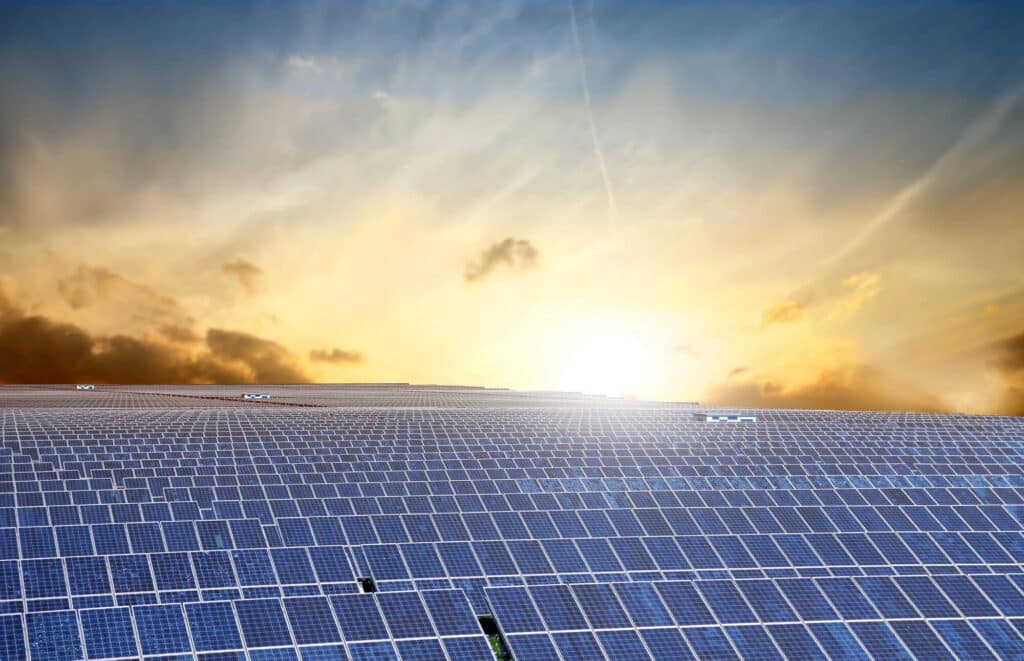
Local and global recycling can both help manage growing photovoltaic PV waste, but the best route depends on transport, technology, cost, rules, and the capacity available near the site.
Local vs. Global Solar Panel Recycling: Which Works Best?
The rise of solar power generation has increased the number of PV systems reaching the end of their useful life. As more panels are installed around the world, businesses and waste managers need safe and reliable ways to deal with old and damaged modules.
Local vs. global solar panel recycling is an important choice when planning how to collect and process photovoltaic waste. Local recycling can cut transport distance and support regional infrastructure, while global recycling networks can give access to specialist plants and advanced treatment.
Neither route fits every case. The best option depends on panel type and volume, available facilities, transport needs, and the materials that can be recovered.
How Local Solar Panel Recycling Works
Local recycling means collecting and processing PV waste in the same country or a nearby region. Businesses can send unwanted panels to a regional recycling site instead of moving them over long distances.
This can make logistics easier. Shorter trips may reduce handling needs and make collection simpler for firms with regular PV waste. Local recycling can also support investment in domestic infrastructure and create work for skilled staff.
Another benefit is know-how with local waste rules. UK businesses, for example, must follow the rules for waste electrical and electronic equipment. The GOV.UK WEEE guidance explains the treatment steps that apply.
However, local capacity may be limited. Not every region has sites that can process every PV panel. Some technologies or materials may need specialist tools that are only available at selected facilities.
Global Recycling and Specialist Capacity
Global recycling links photovoltaic waste with facilities that may have specialist tools, larger processing capacity, or established markets for recovered materials.
This can help when a local site cannot process a certain panel type. International networks can direct waste to the right treatment process and improve access to advanced recycling capabilities.
Global recycling can also support research and investment in new methods. As the photovoltaic industry develops, recycling systems keep improving so they can recover materials more efficiently from end-of-life modules.
Still, international transport adds another layer of work. Moving large loads of panels over long distances can raise transport costs, handling needs, and environmental impacts. Waste shipment rules may also apply when material crosses borders.
For that reason, global recycling needs careful planning. It should not mean simply sending panels to the nearest site abroad.
Local vs. Global Solar Panel Recycling: Key Points
The choice between local and global recycling depends on several factors. Transport distance matters because solar panels contain a lot of glass and are bulky to move. A local site may therefore bring clear logistics gains when it has the right tools.
Technology is another factor. Different PV modules use different mixes of materials. Crystalline silicon panels, thin-film modules, and newer designs may need different treatment steps.
The IEA PVPS research on photovoltaic recycling shows how recycling tools are changing and why it is important to recover useful materials from end-of-life modules.
Processing capacity also matters. A local site may suit smaller or steady waste streams, while a specialist global site may offer more capacity for certain materials or panel types.
Cost should be weighed with recovery results. The cheapest transport or treatment route may not give the best material recovery. Businesses should look at the full recycling path, from collection to transport, treatment, and the final use of recovered materials.
Recycling Solar Panels for a Circular Economy
Recycling solar panels is a key part of a circular renewable energy industry. Solar modules contain glass, aluminium, silicon, and copper that can often be recovered and used again.
Keeping these materials in use can reduce the need for new raw materials and help cut waste. This supports the wider idea of the circular economy, where products and materials stay useful for as long as possible.
The useful life solar panels provide can also be extended through care, repair, refurbishment, and reuse when their condition and output allow it. Recycling should happen when panels can no longer be safe or cost-effective to reuse.
A sound end-of-life plan looks at the full path of a panel, from install and use to reuse and recycling.
Why Photovoltaic PV Waste Needs Better Planning
Photovoltaic PV waste is likely to rise as early solar sites reach the end of their life. Planning recycling capacity before waste levels become hard to manage can help the industry prepare.
Businesses that run solar farms, commercial sites, and renewable energy projects can improve waste handling by listing panel types and counts before arranging collection. Clear records can also support traceability and compliance.
Broken panels need extra care in storage and transport. They should be handled and stored in a way that lowers the risk of breakage and protects workers and the environment.
A planned recycling route can help businesses avoid delays while making sure waste reaches the right treatment site.
Combining Local Collection with Global Recycling
Local and global systems do not need to work apart. A linked model can use the strengths of both.
Local collection networks can gather photovoltaic waste and cut needless transport between collection points. Regional sites can process suitable materials, while specialist recyclers can handle panels that need more advanced treatment.
This can build a flexible recycling network. It lets businesses use local infrastructure when that works best and still reach specialist global capacity when needed.
As solar power generation keeps growing, this flexibility may matter even more. More panels entering the waste stream will need recycling systems that can handle different technologies, volumes, and locations.
What Businesses Should Consider
Businesses that manage end-of-life solar panels should first identify the type and amount of PV waste they have. They should then review collection distance, available treatment sites, recycling technology, and the rules that apply.
It is also wise to know what happens after collection. A sound recycling route should give clear details on treatment, material recovery, and final destinations.
For businesses that want a simple next step, our solar panel recycling service can help with commercial PV waste.
Local and global recycling can both play a strong role in managing photovoltaic waste. Local systems can make collection easier and cut transport distance, while global networks can offer specialist treatment and more capacity.
The best recycling plan depends on panel type, waste volume, available technology, transport needs, and rules. A mix of strong local collection and access to specialist recycling sites can help the solar industry recover useful materials and support a more circular renewable energy system.