
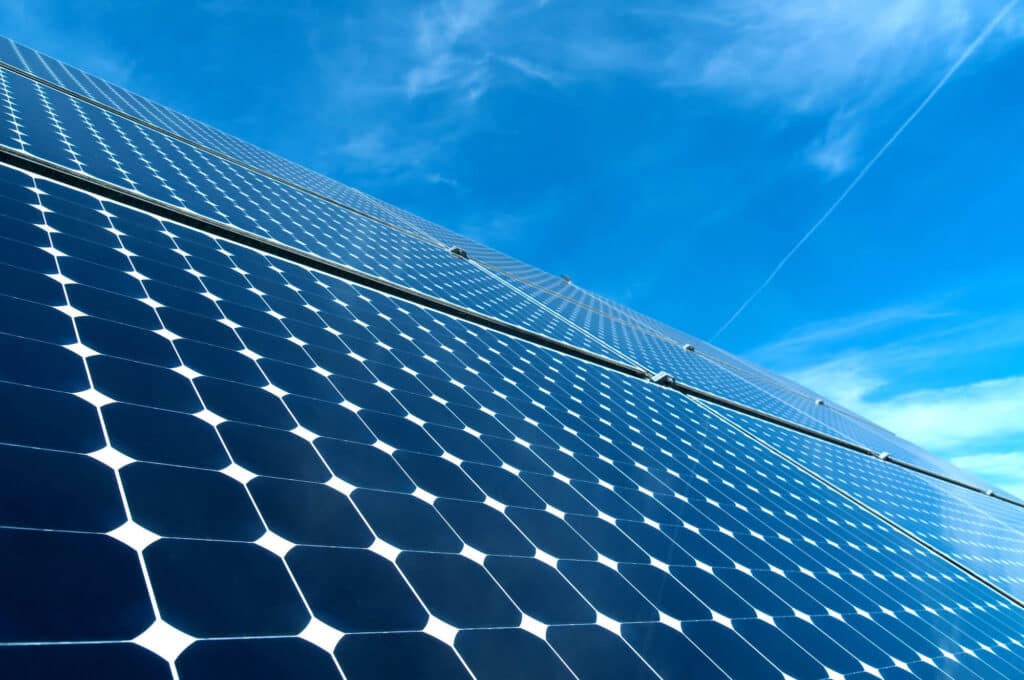
Better recycling technologies can cut costs and recover more value from solar panel waste. That matters for solar energy and the wider renewable energy sector as more photovoltaic (PV) systems reach the end of their service life.
Solar panel recycling economics depend on efficient recovery of useful materials and on control of collection, transport, and processing costs. Better mechanical, thermal, and chemical recycling technologies can improve recovery of silicon, silver, aluminium, copper, and glass. As PV waste grows, better recycling systems, smarter panel design, and stronger collection networks can make end-of-life modules a better source of secondary raw materials.
Why Solar Panel Waste Has Economic Challenges
A solar panel contains several materials that must be separated before they can be reused or processed. Glass and aluminium are easier to recover. Solar cells, polymers, silicon, and metals often need more advanced treatment.
The cost of recycling depends on several factors. Collection, transport, labour, energy, equipment, storage, and processing all affect the final cost. When panels are picked up in small loads or moved over long distances, solar panel recycling becomes less economic.
This makes efficient processing important. Recycling facilities need methods that can handle growing volumes while still recovering materials at useful quality and cost.
How Recycling Technology Could Change the Economics of Solar Panel Waste
Recycling technology affects both process cost and the value of recovered materials.
Mechanical recycling is often the first step. Frames, junction boxes, and cables can be removed before further processing. Shredding and sorting can then separate the main material streams.
Basic mechanical treatment may not recover every useful material at high purity. More advanced recycling technologies can use heat, chemistry, or special sorting methods to improve recovery.
According to the International Energy Agency PV Power Systems Programme (IEA PVPS), work in PV recycling is improving the recovery and quality of materials such as silicon and metals. This could support more use of recovered materials in future supply chains.
The key test is balance. The process must recover enough value to offset the extra energy, labour, and equipment it uses.
Recovering More Valuable Materials
Glass makes up a large share of many solar panels, but its low value can make transport a major cost. Aluminium frames and copper parts add more value.
Other materials have higher value. Silicon and silver are found in smaller amounts, but they can be more useful. Better recovery of these materials could increase the output from each panel.
When recyclers produce cleaner and higher-grade material streams, those outputs can have more uses. That can shift PV waste from a disposal cost to a source of usable materials.
The ability to recycle solar panels well could become more important as more PV systems reach the end of their service life.
Collection and Transport Still Matter
Advanced technology cannot remove every cost in solar panel recycling. Panels are large and heavy, so transport can have a strong effect on economics.
Long-distance transport raises fuel, handling, and storage costs. Regional recycling facilities and stronger collection networks can help cut these expenses.
Facility location and scale will matter more as PV waste rises. A steady flow of end-of-life modules can also help recycling plants run more efficiently.
Better Panel Design Could Support Recycling
The way a solar panel is built can affect how easy it is to recycle. Different adhesives, encapsulants, backsheets, and part layouts can make separation harder.
Designing panels with future recovery in mind can make recycling simpler. Easier disassembly and clearer material identification can cut processing time and lift recovery rates.
This approach can also push manufacturers to think about the full life cycle of their products. When panels are easier to take apart, recyclers have more chances to recover useful materials without complex treatment.
What Better Recycling Could Mean for Solar Businesses
Better recycling technologies could change how businesses view end-of-life solar panels. Instead of treating old modules only as waste, businesses could see them as a source of usable materials.
Higher recovery rates can support secondary supply and cut the amount sent to disposal. More efficient systems can also create new value for recycling firms.
For companies managing large numbers of retired PV modules, choosing the right recycling route matters. The best process can recover materials while supporting careful solar panel recycling.
Businesses should consider collection, transport, material recovery, and the recycling plant’s skills before choosing a route.
The Future of Solar Panel Waste Recycling
The future cost of solar panel waste will depend on more than new machines. Recycling capacity, collection systems, panel design, rules, energy use, and demand for recovered materials will all shape cost and value.
As PV installations grow, the number of retired panels will also rise. Higher volumes can support investment in better plants and encourage more recycling technologies.
Technology can play a major role in making solar panel recycling more commercial. The main goal will be to recover useful materials well while keeping process and transport costs under control.
As the solar energy sector expands, better recycling can keep valuable resources in use and support a more efficient circular economy for PV materials.