
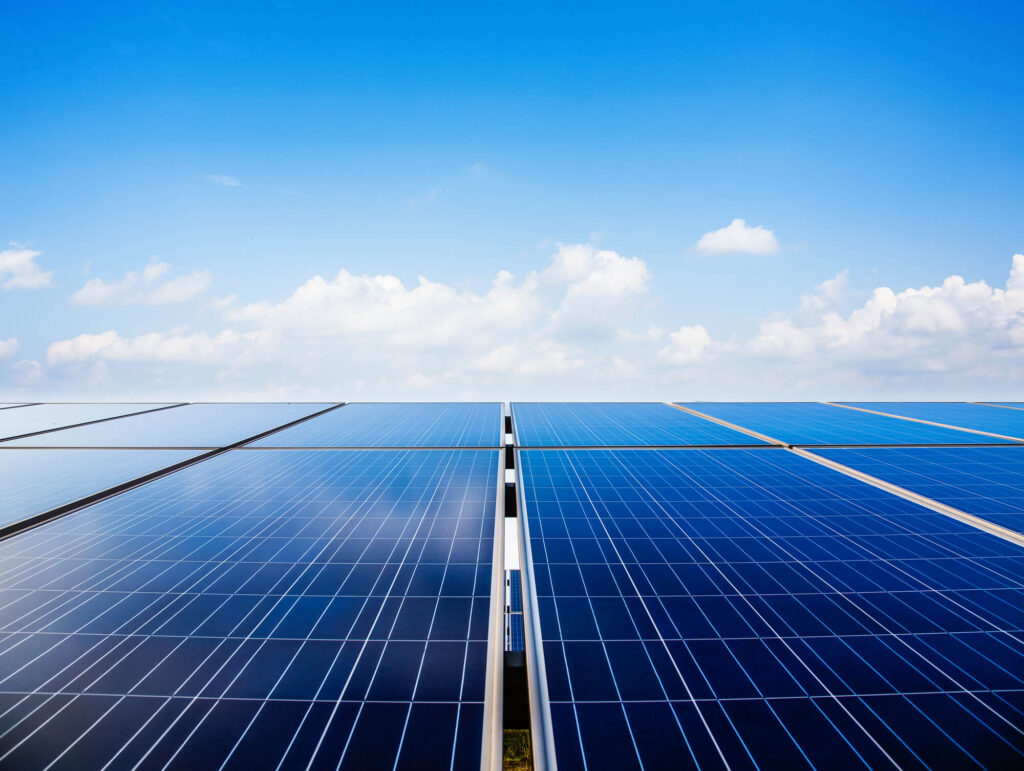
Solar energy is expanding across the UK, with large solar farms, solar PV installations and battery storage projects supporting the country’s renewable energy system. As equipment ages, operators must also consider what happens when panels, batteries, inverters, cables and other components reach the end of their useful life. Proper planning can help businesses manage waste safely, recover valuable materials and support a more circular energy system.
UK solar and battery projects can involve reuse, refurbishment, recycling and recovery when equipment reaches end of life. Planning early helps manage waste safely and recover useful materials.
What Happens When Solar Panels Reach End of Life?
Solar panels can operate for many years, but their performance may decline because of age, weather exposure, damage or electrical faults. When panels are removed from a solar power project, they should first be assessed to determine whether they can be reused, repaired or refurbished.
Panels that remain functional may have a second life in another installation. Modules that are damaged or unsuitable for further use can be sent to a specialist recycling facility.
Solar PV panels contain materials that can be recovered through appropriate treatment. Glass, aluminium and other components can enter recycling processes, helping reduce the amount of material sent for disposal.
In England, photovoltaic panels are covered by WEEE treatment requirements. Government guidance sets requirements for the treatment of photovoltaic panels and the removal of certain hazardous components. This makes appropriate handling important when solar equipment becomes waste.
Project owners can make future recycling easier by keeping records of panel types, quantities, condition and installation locations. These details can help waste specialists prepare suitable collection and treatment arrangements.
What Happens to Batteries at End of Life?
Battery storage is becoming an important part of the UK’s energy system because batteries can store electricity generated by solar power and other renewable energy sources. However, battery systems require careful management when they reach the end of their useful life.
Large lithium-ion batteries may contain valuable materials, but damaged batteries can also create fire and safety risks. Before recycling, batteries may need to be inspected, tested, sorted and safely prepared for treatment.
Battery chemistry is also important. Energy storage projects can use different chemistries, including lithium iron phosphate and nickel manganese cobalt. Identifying the chemistry helps determine the appropriate handling and recycling route.
Some batteries may still have enough capacity for reuse or repurposing. Batteries that are no longer suitable for further use should be sent to an appropriate treatment facility where they can be recycled or recovered.
The GOV.UK guidance on waste batteries provides requirements for facilities handling and treating waste batteries.
UK Solar and Battery Projects Need End-of-Life Planning
The end of a solar and battery project involves more than removing solar panels and batteries. Other equipment can also become waste, including inverters, transformers, switchgear, cables, control systems, mounting structures and electrical components.
Different materials may require different waste management routes. Aluminium, copper and steel can often enter established metal recovery processes, while electrical equipment may require specialist WEEE treatment.
Separating waste streams can improve recovery and reduce unnecessary disposal. It also helps recycling companies identify the correct treatment method before materials arrive at their facilities.
For larger renewable energy projects, decommissioning can be planned in stages. Equipment can be removed, assessed and separated according to its condition and material type. This approach can make the process easier to manage while reducing disruption to the site.
Safe Collection and Transport
End-of-life management starts before equipment reaches a recycling facility. Solar panels, batteries and electrical equipment must be removed, stored and transported with their specific characteristics in mind.
Battery waste requires particular attention. Damaged or unstable lithium batteries can present a fire risk, so suitable packaging, storage and transport arrangements are essential.
Businesses should work with waste specialists that understand the requirements for battery recycling, solar PV waste and electrical equipment. Appropriate documentation can also help businesses demonstrate that waste has been managed through suitable routes.
For projects containing large quantities of lithium batteries, the collection process should be planned before removal begins. This allows operators to consider battery condition, chemistry, quantity and site access.
Recycling Supports Renewable Energy
Recycling has an important role to play as solar power and battery storage continue to grow. Renewable energy infrastructure depends on materials such as glass, aluminium, copper, silicon and battery materials.
Recovering these resources can keep useful materials within the supply chain. It can also reduce the need to dispose of materials that still have value.
Solar panel recycling can recover materials from photovoltaic modules, while battery recycling can process valuable materials from end-of-life battery cells and packs. The exact recovery process depends on the equipment and technology involved.
This approach supports the principles of the circular economy by keeping resources in use for longer rather than relying entirely on disposal and new raw material extraction.
Businesses looking for specialist support can also consider an established solar panel recycling service when planning the end-of-life stage of a renewable energy project.
Planning for End of Life from the Start
End-of-life planning should begin during the development of a solar or battery project rather than when equipment is already being removed.
Project owners can maintain records covering equipment models, panel quantities, battery chemistry, installation dates and replacement history. This information can help determine the most suitable route when components eventually become waste.
Site planning is also important. Access routes, lifting requirements, storage areas and collection arrangements can affect the efficiency of decommissioning.
Early planning can make it easier to separate equipment for reuse from equipment that requires recycling. It can also help businesses understand the potential waste volumes associated with future replacements.
For battery projects, operators should also maintain information about battery condition and chemistry. Accurate records can support safer handling and help recycling providers prepare suitable treatment arrangements.
Creating a More Circular Energy System
The UK’s transition towards renewable energy will create more demand for solar PV systems and battery storage. Managing these technologies responsibly at the end of their useful lives is therefore an important part of long-term energy planning.
Reuse can extend the working life of equipment where suitable. Refurbishment can restore some components, while recycling can recover materials from equipment that can no longer be used.
This can help connect renewable energy development with responsible resource management. Solar energy can generate low-carbon electricity, while effective end-of-life management can help ensure that the materials used to build the energy system are not unnecessarily lost.
Choosing an End-of-Life Recycling Partner
Choosing a suitable recycling partner is an important part of project planning. Businesses should understand how their solar panels, batteries and other equipment will be collected, transported, assessed and treated.
For solar PV projects, operators should check that the provider can handle photovoltaic modules and separate reusable equipment from waste. For battery projects, businesses should confirm that the provider understands battery chemistry and the safety requirements associated with lithium-ion batteries.
Clear documentation is also valuable. Records can help businesses track materials after collection and understand whether equipment has been reused, recycled or recovered.
Using suitable recycling routes can make the final stage of a project more organised while supporting responsible waste management.
UK solar and battery projects are an important part of the growing renewable energy system. As solar panels and batteries reach the end of their useful lives, responsible management becomes increasingly important.
Reuse, refurbishment and recycling can help recover valuable resources while reducing unnecessary disposal. With early planning, accurate records, safe collection and suitable treatment routes, businesses can manage end-of-life equipment more effectively.
Planning for end-of-life from the start can help make solar power and battery storage part of a more circular, resource-efficient energy system.