
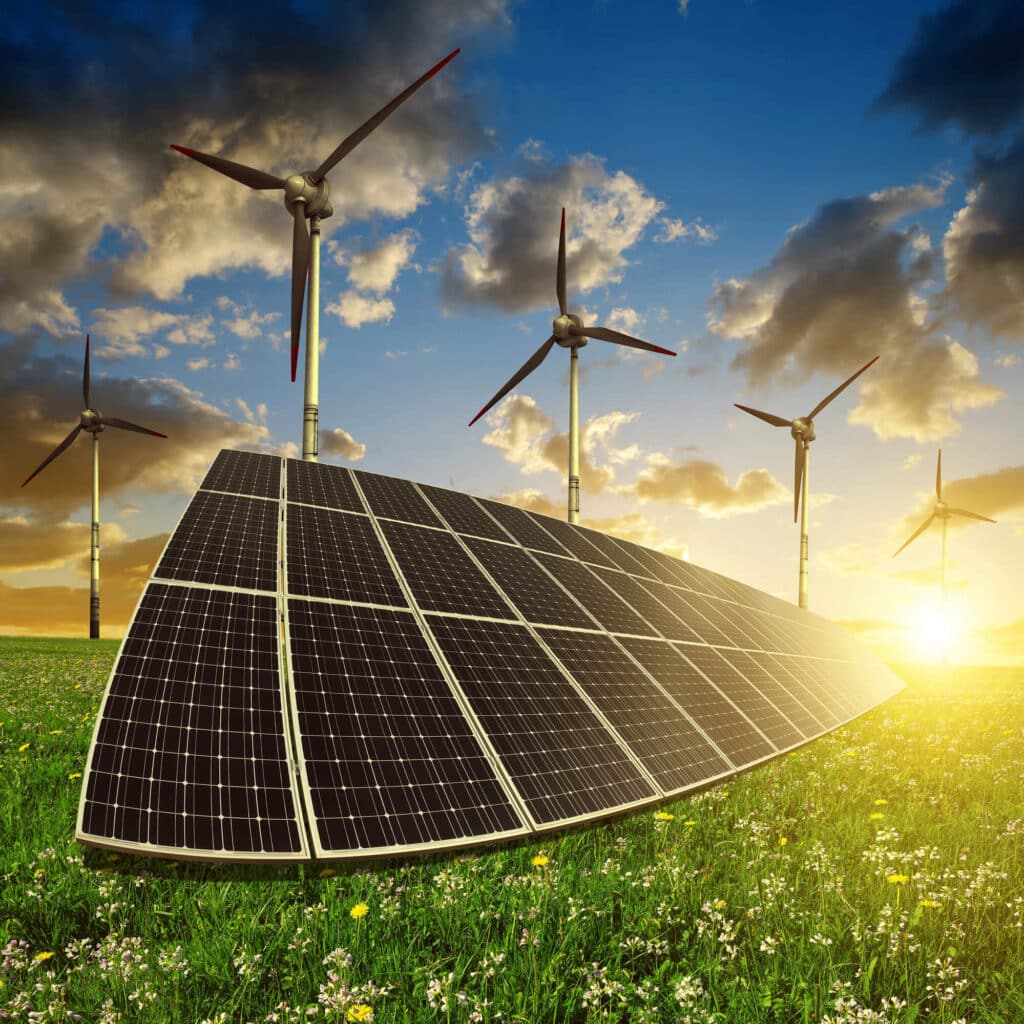
Great Britain is expanding solar power, creating a growing need for effective PV recycling and responsible solar panel waste management.
Great Britain’s Renewable Energy Boom
Great Britain’s Renewable Energy Boom and the Future of PV Recycling are closely connected. As the country expands renewable energy, more solar panels are being installed across homes, businesses, solar farms and other sites.
Solar energy is now an important part of the transition towards cleaner electricity. The continued growth of solar power means more PV panels will eventually reach the end of their useful lives. Preparing for this future waste stream is essential for responsible renewable energy development.
Solar panels can operate for many years, but they do not last indefinitely. Damaged, defective and ageing panels may eventually require replacement. This creates a need for reliable collection, treatment and recycling systems.
Solar Power Growth and PV Recycling
The growth of solar power is increasing the importance of PV recycling. When photovoltaic panels are removed, they should be managed through suitable waste and recycling routes rather than being treated as ordinary waste.
PV panels contain several useful materials, including glass, aluminium, silicon and copper. These materials can be separated during suitable recycling processes and directed towards recovery.
Glass is one of the largest components of many solar panels. Aluminium frames can also be recovered efficiently, while metals such as copper can provide further material value. Silicon recovery can require more advanced processing, but improvements in recycling technology continue to create new opportunities.
This makes solar panel recycling an important part of managing the complete lifecycle of renewable energy equipment.
The Future of PV Recycling
The future of PV recycling will become increasingly important as more solar panels installed today eventually reach the end of their service life.
The UK treats photovoltaic panels as waste electrical and electronic equipment under the WEEE framework. This means businesses need to consider appropriate handling, treatment and recycling routes for end-of-life panels.
Some photovoltaic panels may contain hazardous substances. Proper treatment is therefore important to protect workers, the environment and the quality of recovered materials.
A structured recycling process can separate different panel components and prepare suitable materials for recovery. This reduces the amount of waste requiring disposal while helping valuable resources remain in circulation.
Why Solar Panels Recycle Through Specialist Processes
The phrase solar panels recycle reflects a growing need to manage photovoltaic waste responsibly. However, effective recycling involves more than simply removing old panels.
Panels need to be collected, stored and transported carefully. Damaged units may require additional handling to prevent breakage and reduce the risk of releasing hazardous materials.
At a suitable recycling facility, panels can be processed to separate materials such as glass, aluminium, silicon and metals. The recovered materials can then enter appropriate recycling or recovery streams.
Specialist processing also helps businesses maintain better control over their waste. This can be particularly important for large solar farms, commercial properties and organisations replacing significant numbers of PV panels.
Solar Panels Installed Today Will Become Future Waste
The number of solar panels installed across Great Britain continues to shape the country’s future waste requirements. Every new installation contributes to the long-term demand for responsible end-of-life management.
This does not reduce the environmental value of solar energy. Instead, it highlights the need to consider sustainability throughout the entire lifecycle of solar technology.
Planning for recycling during the early stages of a solar project can make future panel replacement easier. Businesses can consider collection arrangements, storage requirements and suitable recycling routes before panels become waste.
Early planning can also help reduce delays when large numbers of panels need to be removed from a site.
Solar Panel Recycling Supports Renewable Energy
Renewable energy systems depend on equipment, materials and infrastructure. Solar panels are an important part of this system, so responsible end-of-life management should develop alongside solar power generation.
Recycling can help recover useful resources from old PV panels instead of sending those materials towards disposal. This supports a more circular approach to renewable energy.
Material recovery can also reduce pressure on virgin resources. Reusing recovered glass, aluminium and metals keeps materials within the economy and can support more efficient resource management.
This approach connects solar energy with the principles of the circular economy. Generating clean electricity and recovering materials from end-of-life equipment can work together as part of a broader sustainability strategy.
Improving PV Recycling Technology
Recycling technology will play an important role in managing future solar panel waste. Better separation and recovery methods can improve the quality and quantity of materials recovered from photovoltaic panels.
Mechanical processing can separate major components, while more advanced methods may improve the recovery of specific materials. Continued investment in recycling facilities can help the industry respond to increasing volumes of end-of-life panels.
Technology is also important because photovoltaic panels are not all identical. Different designs and materials may require different treatment processes.
Developing flexible recycling systems will therefore help the industry manage a wider range of solar panel types.
Preparing for the Future of Solar Waste
Businesses involved in solar energy should consider what happens when their panels reach the end of their useful life. This includes understanding the type of PV panels being used and identifying suitable recycling arrangements.
A clear recycling plan can cover collection, transportation, storage and material recovery. It can also help businesses manage solar waste more efficiently when panels need to be replaced.
Using a specialist PV recycling service can provide a structured route for unwanted panels and help ensure that suitable materials are recovered.
For businesses operating solar farms or commercial solar installations, this approach can support responsible waste management while protecting the long-term value of renewable energy investments.
Great Britain’s Renewable Energy Boom and the Future of PV Recycling
Great Britain’s growing use of solar energy is changing the renewable energy landscape. As more solar panels are installed, the volume of photovoltaic equipment eventually reaching the end of its useful life will also increase.
PV recycling can help address this future challenge by recovering valuable materials and reducing the amount of solar waste sent for disposal.
The future of solar power therefore depends on more than installing new systems. It also requires responsible management of existing equipment when it reaches the end of its service life.
A strong recycling infrastructure can help Great Britain manage solar panel waste while supporting resource efficiency and the continued development of renewable energy.