
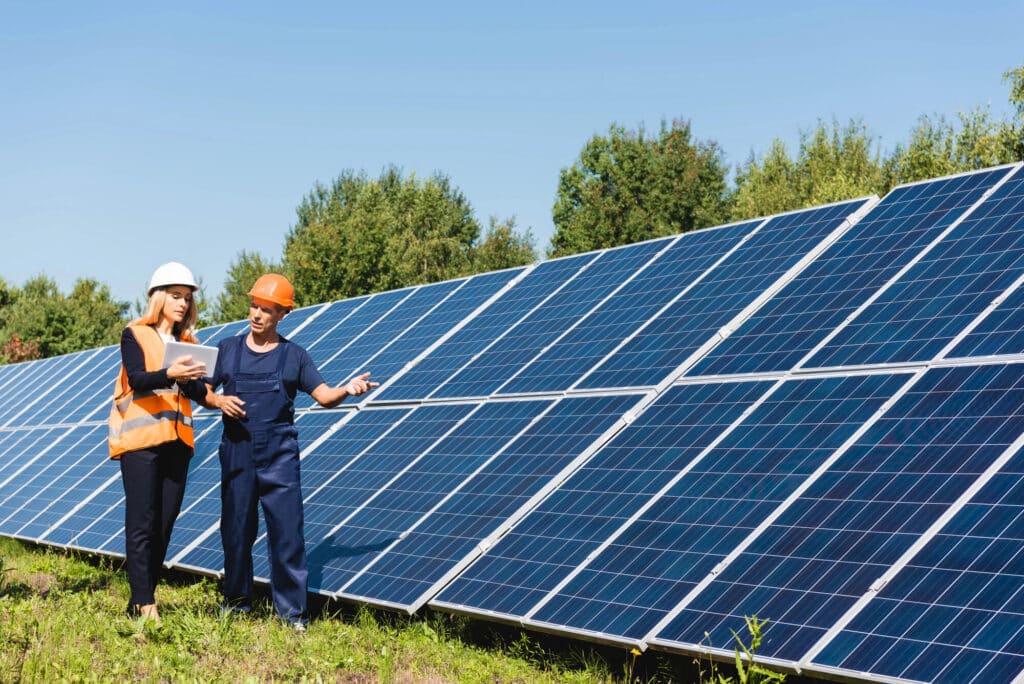
Renewable Energy Project Approvals Are Raising Solar Capacity
Renewable energy project approvals are helping solar power grow across the UK. As more solar farms are approved, planning for solar waste, recycling, and end-of-life management matters more.
The UK keeps approving large renewable energy projects as it moves toward lower-carbon electricity. Solar farms are a key part of this change, and several major schemes won approval in 2026.
For example, Springwell Solar Farm in Lincolnshire was approved in April 2026. The project is set for more than 50 MW. One Earth Solar Farm, Peartree Hill Solar Farm, and Beacon Fen Energy Park also got decisions in 2026.
These approvals support renewable energy growth. They also mean more solar equipment will one day need repair, reuse, or removal.
A solar project can last for many years. But its panels, mounting systems, wires, and other parts will later need repair, replacement, reuse, recycling, or disposal. That makes waste planning part of the full life cycle of a solar energy project.
What Renewable Energy Approvals Mean for Solar Waste
Renewable energy approvals do more than let a solar farm be built and run. Large projects also need plans for construction, use, and later removal.
The UK Government’s National Policy Statement for renewable energy says solar applicants should explain what will be taken away at the end of a site’s life. It also says solar panel arrays and mounting frames are usually removed, while some underground parts may stay in place if that is right.
This links planning approval with later work on equipment and materials.
For solar developers, end-of-life planning should not wait until decades after construction. It should be part of the wider environmental and site plan from the start.
For the waste sector, more solar development means more need for good collection, storage, transport, treatment, and recycling routes.
Solar Panel Waste Needs Proper Planning
Solar panels contain materials that can be recovered with proper treatment. Depending on the panel type, these can include glass, aluminium, silicon, copper, and other useful materials.
But solar panels should not be treated as general waste. The Environment Agency’s guide for permitted WEEE treatment sites says PV panels can hold harmful substances, including lead and, in some non-silicon panels, cadmium compounds and selenium. Those materials need the right handling.
This makes correct ID and processing important when panels are removed from a solar site.
Good waste planning can help developers see where old panels will go, which materials can be recovered, and what treatment rules may apply. It can also cut the risk of damaged or wrong panels being sent to the wrong disposal route.
Businesses involved in solar installation and care can also benefit from clear steps for handling damaged, faulty, or replaced panels.
Why Solar Waste Could Grow as Solar Projects Expand
The link between new renewable energy projects and future solar waste is clear. More sites create a larger stock of solar equipment that will one day need care, replacement, or end-of-life treatment.
Not every panel becomes waste at the same time. Some can keep working beyond their expected life, while others are replaced because of damage, lower output, a new site use, or tech upgrades.
That means solar waste is likely to build up over time, not all at once.
This timing also creates a chance for the recycling sector. As more panels reach the end of their useful life, solar panel recycling services can grow with the renewable energy market.
Early planning for this growth can help businesses get ready for future collection volumes and changing material streams.
Removal and End-of-Life Planning
Removal is an important part of the solar project life cycle. Once a site reaches the end of its working time, equipment may need to be taken apart and removed.
The National Policy Statement for renewable energy deals with solar removal directly. It says applicants should set out what will be removed and think about whether some parts can stay in place when that is right for the environment or for wider social reasons.
For solar panels, this creates a clear link between project planning and future waste management.
Developers can plan how panels will be separated from mounting systems, how equipment will be moved, and where suitable recycling or treatment sites can be used.
This can make future removal more orderly and can help reduce avoidable waste.
Solar Panel Recycling Can Support a More Circular Industry
Solar panel recycling can help recover useful materials instead of sending them to disposal.
Glass is one of the main materials found in many PV panels. Metals such as aluminium and copper can also have recycling value. Depending on the technology and treatment method, other materials may also be recovered.
Good solar panel recycling routes can keep useful material in use.
Recovering these materials supports a more circular approach to renewable energy. Instead of seeing an old panel only as waste, recycling lets useful material return to making new products or other supply chains.
This matters more as the renewable energy sector grows. A growing solar industry needs materials for new work, while older equipment creates a future source of secondary materials.
What Solar Developers Can Do Now
Solar developers can include waste management in early project planning rather than waiting until panels need replacement.
A clear plan can cover:
expected equipment life
replacement needs
temporary storage
collection
recycling routes
It can also cover damaged panels and other electrical parts that may need specialist handling.
Project teams should also keep records of the equipment installed at each site. Knowing the type and number of solar panels installed can make future waste planning much easier.
When solar panels are installed at a site, those records should be kept from day one. For projects that may run for many years, this information can help future operators and waste contractors.
What This Means for Businesses Handling Solar Waste
The growth of solar projects creates both work and duties for waste businesses.
Installers, maintenance firms, asset owners, and solar farm operators may all need reliable routes for panels that are damaged, replaced, or no longer fit for use.
A specialist recycling service can help manage these materials through proper collection and treatment. This is especially useful when large numbers of panels are removed during refurbishment, repowering, or site closure.
Businesses can also improve resource use by separating solar equipment from other waste streams and using the right recycling channels.
As renewable energy approvals continue to support new solar capacity, these needs will become more important across the sector.
Preparing for the Future of Solar Waste
The growth of renewable energy is closely tied to the future of waste management. Approving a solar project creates a long-term asset, but it also creates a future duty to manage the equipment used to make electricity.
Solar waste planning can help bridge that gap.
By planning for removal, recycling, and material recovery from the start, solar developers can prepare for the full life cycle of their projects. This can also support better resource use and cut the amount of equipment that needs final disposal.
The latest project decisions show that large solar developments remain part of the UK’s energy pipeline. Government records list several major solar and clean energy projects receiving decisions during 2026.
As that pipeline grows, solar waste management will become an even more important part of responsible renewable energy planning.
Renewable energy project approvals are helping solar generation grow across the UK, but every new solar site also creates a future need for careful equipment management.
Planning for solar waste, recycling, and removal at an early stage can help developers prepare for future panel replacement and end-of-life equipment.
A strong approach to solar waste can also support material recovery and a more circular renewable energy sector. As solar capacity keeps growing, effective recycling will become a key part of the industry’s long-term future.