
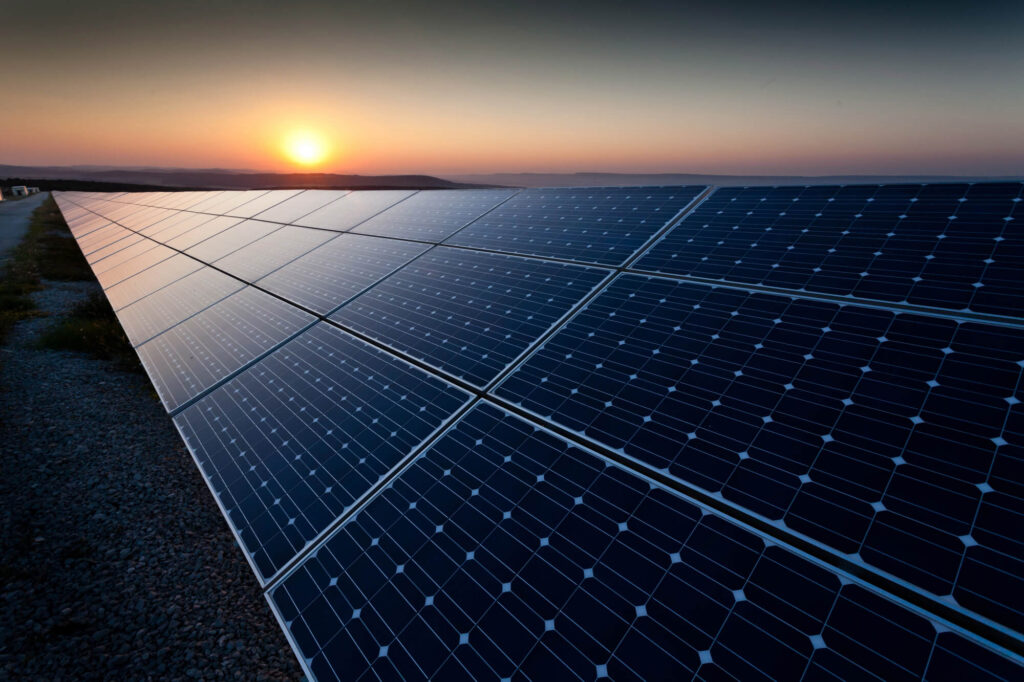
Balcony solar panels can make solar power more accessible while creating new considerations for future PV recycling and solar panel waste management.
Why Are Balcony Solar Panels Becoming More Popular?
Balcony solar panels are changing how households can access renewable energy. Instead of relying entirely on rooftop installations, people living in flats or homes with limited roof space can use smaller PV systems to generate electricity.
These systems are particularly relevant in urban areas where traditional rooftop solar may not be practical. Their smaller scale can make solar power generation more accessible to properties with limited installation options.
The growing interest in balcony-mounted systems also reflects wider changes in the renewable energy market. As solar technology becomes more flexible, consumers have more ways to participate in the transition towards lower-carbon electricity.
For the solar industry, however, increased adoption also raises an important question: what happens to these panels when they reach the end of their useful lives?
What Could Balcony Solar Panels Mean for Solar Panel Waste?
Solar panels are designed to operate for many years, but no PV system lasts forever. Panels can eventually become waste because of damage, declining performance, replacement or changes to a property’s energy system.
As more balcony solar panels are installed, they could contribute to the UK’s future solar panel waste stream. The quantities from individual properties may be relatively small, but the combined volume could become significant if adoption continues to increase.
Large solar farms produce substantial numbers of panels in concentrated locations. Balcony installations are different because they can be distributed across thousands of individual properties.
This could make collection more complicated. Recycling companies may need flexible collection services that can manage smaller quantities while ensuring panels are transported safely to suitable treatment facilities.
Balcony Solar Panels and the Future of PV Recycling
The growth of balcony solar panels could increase the importance of efficient PV recycling. Photovoltaic panels contain materials that can potentially be recovered and returned to manufacturing supply chains.
Glass makes up a significant part of many solar modules, while aluminium frames and other components can also have material value. Depending on the panel design and recycling technology used, silicon and other valuable materials may also be recovered.
Effective recycling can help reduce the amount of solar panel waste sent for disposal. It can also support resource efficiency by recovering materials that would otherwise require additional extraction and processing.
For the growing solar PV industry, this creates a stronger connection between clean energy generation and responsible waste management.

How PV Systems Could Change Recycling Requirements
The expansion of smaller PV systems may require recycling networks to become more adaptable.
Traditional solar recycling can involve large commercial or utility-scale installations where many panels become available from one site. Balcony systems could produce a different pattern, with smaller quantities appearing across residential areas.
This means collection planning could become increasingly important. Waste companies may need to coordinate smaller collections, suitable storage and efficient transport to keep recycling economically viable.
Clear information for consumers will also matter. People need to know what to do when a panel becomes damaged, stops working or is replaced.
Making end-of-life information easier to access could reduce the risk of unwanted panels being stored for long periods or entering unsuitable waste streams.
Reuse Can Extend the Life of Solar Panels
Recycling is important, but it should not always be the first option for a panel that is no longer required.
Some panels may remain functional even when they are removed from their original installation. Where equipment is safe, suitable and meets the relevant requirements, reuse can extend its working life.
This could be relevant to balcony solar panels because households may replace smaller PV systems when upgrading their equipment or moving to a different property.
Keeping suitable equipment in use for longer can reduce demand for new products and delay the point at which panels become waste. When a panel is no longer suitable for reuse, responsible recycling provides the next stage in its lifecycle.
The Role of Solar Power Generation in a Circular Economy
Solar power generation is expanding as countries look for more renewable energy sources. Solar PV can help reduce dependence on fossil fuels, but the materials used to produce PV systems also need responsible management.
A circular approach considers the entire product lifecycle, from manufacturing and installation to reuse and recycling.
For solar PV, this means looking beyond electricity production. Manufacturers, installers, consumers, waste companies and recyclers all contribute to how panels are managed throughout their useful lives.
Designing products with future recovery in mind can make material separation easier and improve recycling efficiency.
Preparing for Future Solar Panel Waste
The growth of balcony solar panels provides an opportunity to develop recycling systems before significant volumes of waste emerge.
Collection networks can be designed to handle both large commercial projects and smaller residential installations. Recycling facilities can also continue improving processes for recovering useful materials from different panel designs.
Businesses involved in solar installation should also consider what happens when panels are removed. Planning for end-of-life equipment can help create a smoother route from installation to reuse or recycling.
For consumers, choosing responsible routes for unwanted panels can help keep valuable materials within the recycling system.
Building a Sustainable Future for Solar PV
Balcony solar panels could make renewable energy more accessible while creating a new consideration for the future of solar recycling.
As PV power generation and solar power generation continue to expand, the volume and variety of solar equipment requiring end-of-life management could also increase.
The solution is not to slow the adoption of solar technology. Instead, the solar industry can prepare for future solar panel waste through better collection, responsible reuse, and efficient PV recycling.
By connecting renewable energy growth with effective resource recovery, the solar PV sector can move closer to a genuinely circular model where valuable materials remain in use for as long as possible.