
Renewable energy is changing electricity generation, prices, and grid management. Solar power, wind, energy storage, and smarter networks matter more as electricity demand grows worldwide.
The global market is moving from a small share of renewable sources to a system shaped by solar and wind, batteries, and digital grid tools. These changes affect power plants, clean energy investment, and the wider global energy market.
A bigger role for renewable energy
Renewable energy is no longer a niche energy source. Solar, wind, hydropower, and other renewable sources are changing how electricity is generated, shared, and managed. Batteries, electric vehicles, and digital grid tools are also helping balance supply and demand.
The IEA says renewable sources made up 34% of global electricity generation in 2025. Renewable generation rose about 8.5% that year, while solar PV output added roughly 600 TWh.
The biggest shift is that renewable projects can be built in many sizes and in many places. Large solar farms, rooftop solar panels, offshore wind projects, and community energy systems are widening the mix of electricity generation. The market is becoming less dependent on a few large central power plants.
Households and businesses can also take part through rooftop solar, batteries, and other energy technologies. Electricity can move between consumers, generators, and storage in more flexible ways.
IRENA reported that global renewable power capacity reached 5,149 GW at the end of 2025 after 692 GW of new capacity was added. Renewable energy made up 85.6% of total capacity additions.
Solar power and wind lead the change
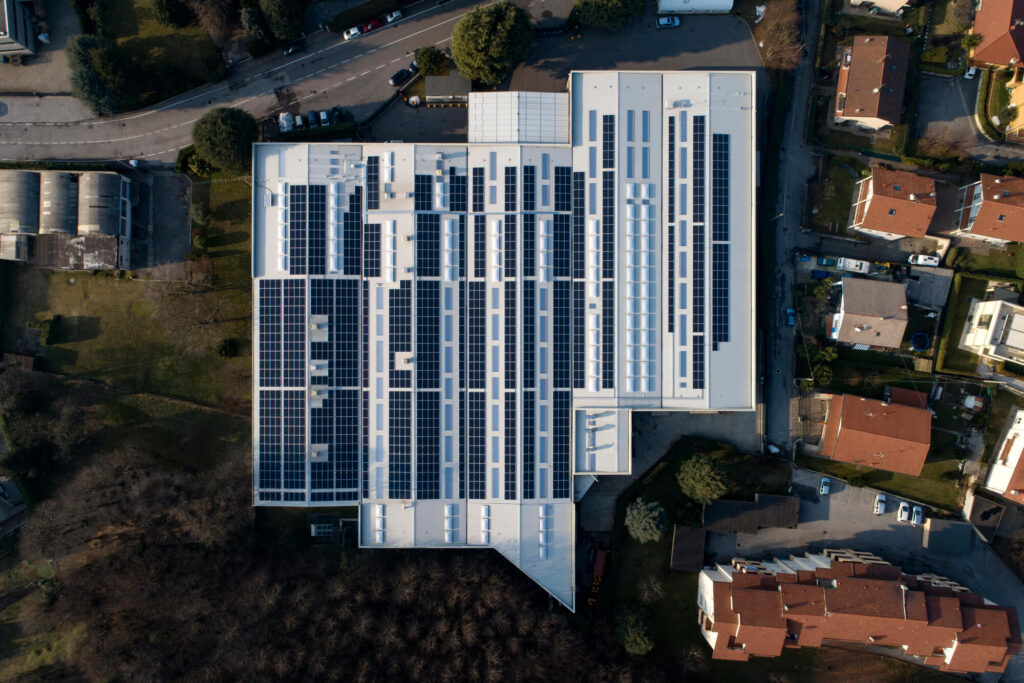
Solar power and wind are at the centre of this shift in energy generation. Solar PV can be installed on homes, business sites, industrial buildings, brownfield land, and large utility projects. Wind turbines can produce power onshore and offshore.
The IEA says solar PV capacity additions passed 600 GW in 2025, and solar PV became the largest installed power technology worldwide. Wind was the second-largest source of new renewable capacity.
Solar and wind also change when electricity is available. Solar output is usually highest in daylight, while wind depends on weather. Markets therefore need better forecasting, flexible generation, storage, and demand response.
Wind and solar PV together accounted for 17% of global electricity generation in 2025, up from 15% in 2024.
Prices, storage, and demand
Renewable energy can affect wholesale prices because solar and wind do not need fuel for each unit of output. When output is high, extra supply can push wholesale prices down in some markets.
But lower wholesale prices do not always mean lower bills. Consumer prices also depend on electricity demand, transmission limits, network constraints, storage, fuel costs, weather, and regulation.
The changing mix also affects fossil fuels and conventional power plants. Fossil fuel plants may run fewer hours when renewable output is high, while flexible generators can become more valuable when solar and wind fall.
This creates a more complex market, where generation capacity, flexibility, and timing matter more.
Energy storage keeps supply steady
Energy storage is now a key part of modern systems. Batteries can store electricity when renewable output is high and release it when demand rises or output falls.
This is especially useful for solar power. Electricity made during the middle of the day can be used later in the evening. Battery systems help shift energy generation toward peak demand.
Storage can also respond quickly to grid changes. Pumped-storage hydropower and other storage technologies add more flexibility.
As renewable energy grows, storage helps electricity systems manage variable output without relying only on power plants.
Grid links and investment
Renewable growth creates new needs for electricity networks. Some of the best solar and wind resources are far from major demand centres, so new transmission lines may be needed.
The shape of the grid is changing too. Rooftop solar panels, battery systems, and electric vehicles create more distributed generation, storage, and demand.
Instead of electricity moving one way from a large power plant to customers, modern networks must manage flows in several directions.
Digital monitoring, better forecasts, grid links, demand response, and automated grid management can help network operators handle this more complex system.
The expansion of renewable energy is also changing investment. Developers are putting money into solar farms, wind turbines, battery storage, transmission networks, and other clean energy projects.
IRENA reported that renewable energy made up 85.6% of global power capacity additions in 2025. The agency said 692 GW of new renewable capacity was added that year, bringing total renewable power capacity to 5,149 GW.
Investment choices depend on policy, electricity demand, grid access, energy security, technology costs, and corporate demand for lower-carbon electricity.
So the shift is not only about new electricity generation. Capital is also moving into the systems that connect, store, and manage that power.
Global energy security and supply chains
Renewable energy is also changing energy security. Solar and wind are available in many regions, so countries can diversify their supply and reduce dependence on imported fossil fuels.
Domestic renewable generation can be an extra energy source and reduce exposure to fuel price swings. But renewable energy does not remove supply-chain risks.
Solar panels, wind turbines, batteries, and grid equipment still need minerals, factories, transport, and specialist parts. That means supply-chain resilience is now part of energy planning.
The United States has expanded renewable generation while keeping a mixed electricity system. The IEA says natural gas made up 40% of US electricity generation in 2025, while renewables and nuclear power also played major roles.
Different countries will keep different mixes of fossil fuels, renewable sources, and nuclear power as the transition continues.
Waste management matters too
Rapid growth in renewable sources creates another long-term issue: what happens when equipment reaches the end of its life?
Solar panels, batteries, wind turbine parts, cables, and other electrical equipment all wear out over time. As installed capacity grows, more equipment will need reuse, repair, recycling, or safe disposal.
For solar projects, end-of-life planning can recover glass, aluminium, silicon, and other materials. Recycling can cut waste and return useful materials to manufacturing supply chains.
That makes responsible waste management an important part of the clean energy industry. Project owners can plan for collection, transport, reuse, and recycling from the start.
Rising electricity demand
Renewable energy is expanding at the same time as global electricity demand. Electricity use is rising because of economic growth, data centres, industry, air conditioning, heating, EVs, and other uses.
Electric vehicles are one clear sign of this shift. As transport moves toward electric power, charging networks can add a lot of new demand.
The IEA’s 2026 review points to strong demand growth alongside rapid solar PV growth and other low-emissions generation.
That brings both opportunity and pressure. More demand can support new clean energy projects, but grids also need enough power capacity to deliver electricity where and when it is needed.
What comes next for the market?
The global electricity market is becoming more flexible, more distributed, and more digital. Renewable energy is expected to play a larger role, supported by battery storage, transmission networks, grid links, demand response, and other energy technologies.
The IEA expects low-emissions sources, including renewable energy and nuclear power, to reach about half of global electricity generation by 2030. Solar PV is likely to remain a major source of new energy generation.
The pace will differ by country. Energy resources, infrastructure, electricity demand, policy, and investment conditions are not the same in every market.
Some countries will scale solar and wind quickly. Others will keep a mix of renewable sources, nuclear power, and fossil fuel generation during the transition.
In short, renewable energy is changing the global electricity market by reshaping electricity generation, investment, pricing, grid planning, and energy security. Solar power and wind are growing fast, while storage and smarter networks are helping manage variable output.
At the same time, demand growth from industry, buildings, digital infrastructure, and electric vehicles is raising the need for more power capacity.
The transition also brings responsibilities beyond generation. Renewable equipment needs reliable supply chains, strong maintenance, and end-of-life planning.
As renewable energy becomes a larger part of the global electricity system, businesses, governments, and energy providers will need to balance new capacity with reliable networks, flexible demand, storage, and recycling.