
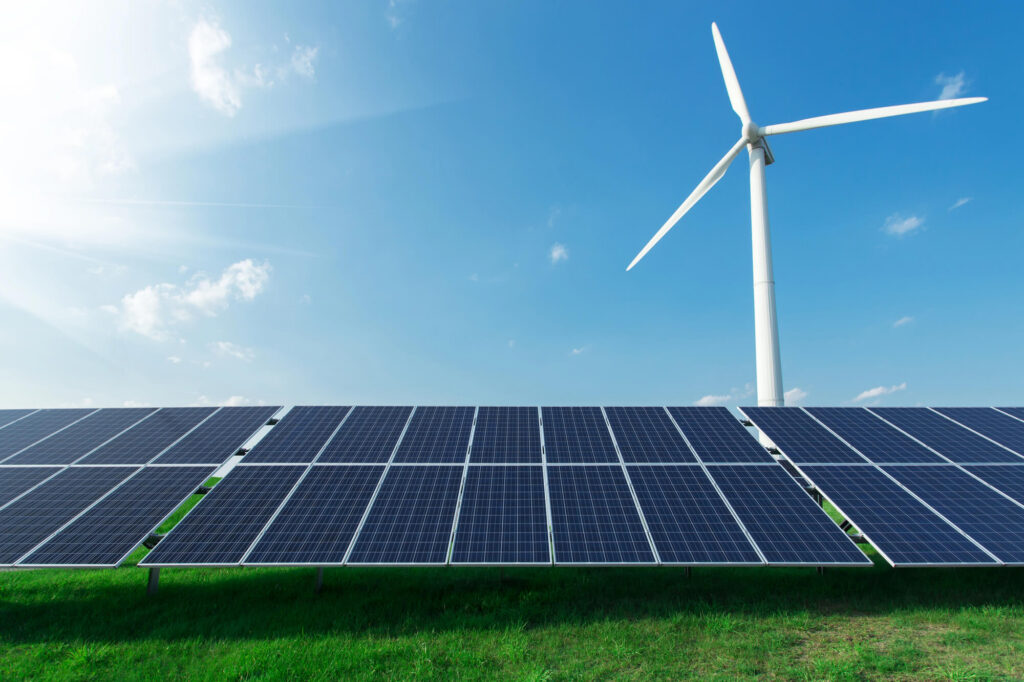
Solar energy and net zero are closely linked. As countries move away from fossil fuels, solar power is becoming a key source of clean energy. It makes electricity without direct combustion, so it can cut coal, oil, and gas use. It also supports the wider shift to electric systems across the economy.
Solar energy can support net zero emissions by providing clean electricity, reducing fossil fuel use, and backing the wider shift to electricity.
Why Solar Energy Matters for Net Zero
Solar energy helps cut greenhouse gas emissions from electricity generation. Solar systems use sunlight to make electricity without burning fuel while they run. This makes solar power a key part of the shift to a lower-carbon energy system.
Electric use is also growing in transport, heating, and industry. Electric vehicles, heat pumps, and other tools can lower fossil fuel use when they run on low-carbon electricity. More renewable energy for net zero can therefore cut emissions across much of the economy.
This is why renewable energy for net zero is now a core part of energy planning. Solar power can work with wind, hydro, and other renewable energy sources to create a more varied grid.
Solar Energy and Net Zero: Supporting a Cleaner Grid
The link between solar energy and net zero goes beyond the power made by each panel. Solar generation can help meet the extra electricity demand as transport, heating, and industry switch to electricity.
The UK is planning major growth in solar capacity. The government’s Solar Roadmap supports solar power growth and sets out steps to raise deployment across the country. It shows the growing role of solar in the UK’s clean energy strategy.
Solar generation can also work with other renewable sources. Solar output is highest in the day, while other technologies can make power at different times. Using several sources together can make the grid more flexible and more resilient.
Energy storage can improve solar use even more. Batteries can hold extra solar electricity when output is high and release it later when demand rises or solar output falls. Grid upgrades and flexible demand can also help the system make better use of renewable generation.
Solar Power and Climate Change
Solar power and climate change are linked mainly through lower fossil fuel use. Coal, oil, and natural gas release greenhouse gases when they are burned for energy. Replacing some fossil fuel generation with renewable electricity can cut these emissions.
But solar power is not impact-free. Making panels takes energy and raw materials, while transport, installation, and end-of-life treatment also use resources. Looking at the full life cycle gives a clearer view of solar’s environmental role.
The wider goal is not just to install more panels. The solar industry also needs responsible manufacturing, efficient use of materials, long-term upkeep, and good end-of-life management.
Reducing Carbon Emissions with Solar Energy
Reducing carbon emissions with solar energy can happen at several levels. Homes and businesses can use rooftop solar, while larger solar farms can send power to the wider grid.
For businesses, solar power can lower dependence on electricity from fossil fuels, depending on the local energy mix and the quality of the system. It can also help with energy costs and make better use of roof or land space.
The benefits are stronger when solar is paired with energy efficiency, battery storage, and other clean technologies. A well-designed energy system can use renewable electricity more effectively and cut wasted energy.
Solar Growth Creates a Recycling Challenge
The growth of renewable energy also brings a bigger need to manage equipment well at the end of its useful life. Solar panels can work for decades, but they will eventually need repair, reuse, recycling, or replacement.
Solar panels contain glass, aluminium, silicon, and other metals. Recovering these materials can cut waste and support more circular use of valuable resources.
For this reason, solar panel recycling should be part of long-term project planning. Businesses, developers, and solar asset owners can think about collection, transport, testing, reuse, and recycling routes before equipment reaches the end of its working life.
Supporting the Solar Energy Transition
The solar energy transition needs more than higher generation. Electricity networks need enough room to connect new projects and deliver power where it is needed. Storage and flexible demand can also help manage changes in renewable generation.
Planning for these needs can make solar deployment more effective. Grid investment, energy storage, and renewable generation should grow together, not be treated as separate parts of the energy system.
The transition also needs skilled workers, responsible supply chains, and good recycling infrastructure. These parts help make sure solar growth brings environmental gains across the full life cycle of the technology.
Solar Energy Cannot Deliver Net Zero Alone
Solar power is an important part of the shift to net zero emissions, but it cannot do the job alone. Solar generation depends on daylight and weather, so electricity systems need a mix of generation, storage, grid flexibility, and demand management.
Other sectors also need to cut emissions. Transport, buildings, manufacturing, and agriculture each face different challenges. Some can switch to electric systems, while others may need cleaner fuels, better efficiency, or other low-carbon tools.
This means solar should be seen as one part of a wider clean energy plan, not as a stand-alone fix.
The Future Role of Solar Energy
The future role of solar energy will depend on how well the technology can grow while keeping its environmental and resource impacts under control. Continued investment in solar power can raise renewable electricity generation, while better grid infrastructure and storage can help bring that power into the system.
At the same time, good end-of-life management will become more important. Recycling solar panels can recover useful materials and cut waste as older sites are replaced.
A successful transition therefore needs to consider the full life cycle of solar systems, from manufacturing and installation to use, reuse, and recycling.
Solar energy and net zero are closely linked because renewable electricity can cut fossil fuel use and support wider carbon cuts. Solar power can help provide clean electricity, energy security, and the move to electric systems in transport, heating, and industry.
However, long-term progress needs more than installing solar panels. Grid investment, energy storage, efficient energy use, responsible supply chains, and solar panel recycling must grow alongside new capacity.
By combining solar power with broader clean energy measures and good end-of-life planning, the solar industry can help build a more sustainable energy system and support net zero emissions.