
At A Glance ...
- Clean energy focuses on reducing greenhouse gas emissions and environmental impact, while renewable energy focuses on using natural sources that are sustainable in the long term.
- Many energy sources are also renewable and clean, but some only meet one definition.
- Renewable energy refers to power from natural sources that replenish themselves on a long-term scale.
- Clean energy focuses on reducing greenhouse gas emissions and minimizing the overall environmental impact.
- While many green energy sources fall into both categories, some do not.
One of the most frequently asked questions in the sustainable energy space is whether the terms ‘clean energy’ and ‘renewable energy’ are interchangeable. Although the terms are often used interchangeably, the distinction between clean energy and renewable energy lies in their respective impacts on environmental sustainability, long-term sustainability, and greenhouse gas emissions.
Understanding this distinction helps explain how modern energy sources are evolving to replace fossil fuels and reduce carbon emissions globally.
Many people mistakenly believe that green, renewable, and clean energy all describe the same thing. While they are related, understanding the core differences is essential for anyone interested in sustainable energy. If you are asking if clean energy and renewable energy are the same, the short answer is no; they focus on different environmental priorities.
What Is Clean Energy?
Clean energy refers to any power source that produces little to no greenhouse gas emissions and minimises environmental harm. The focus is on reducing pollution and limiting carbon emissions that contribute to climate change.
Clean energy includes solar power, wind power, hydropower, and nuclear energy. These green energy sources are designed to reduce reliance on fossil fuels and improve air quality. Although nuclear power is not derived from natural sources, it is still classified as clean due to its low emissions.
To better understand how these technologies reduce environmental impact, it is useful to explore how clean energy includes systems designed to lower carbon emissions and improve efficiency.
What Is Renewable Energy?
Renewable energy refers to energy generated from natural sources that are continuously replenished. These energy sources are also renewable because they rely on processes such as sunlight, wind, and geothermal heat.
Renewable energy sources include solar power, wind turbines, geothermal energy, hydropower, and biomass. Each power source supports long-term energy generation without depletion, making it essential for sustainable energy systems.
You can further understand this by exploring how renewable energy vs sustainable energy explains the role of natural sources in long-term energy supply.
Renewable energy refers to power from natural sources that replenish themselves on a long-term scale. Clean energy focuses specifically on reducing greenhouse gas emissions and minimising the overall environmental impact. While many green energy sources fall into both categories, there are important exceptions that define how we power our world.
Clean Energy vs Renewable Energy
The distinction between clean energy and renewable energy is based on their definitions and purposes. Clean energy focuses on reducing environmental impact and greenhouse gas emissions, while renewable energy focuses on whether energy comes from natural sources.
Clean energy includes low-emission technologies. Renewable energy sources include those that are naturally replenished. Many energy sources are also renewable, but not all clean energy is renewable, and not all renewable energy is completely clean.
A clearer explanation of green, renewable, and clean energy differences highlights how these categories overlap but remain distinct.

Key Differences Between Clean and Renewable Energy
Clean energy reduces carbon emissions and protects ecosystems, while renewable energy ensures long-term availability.
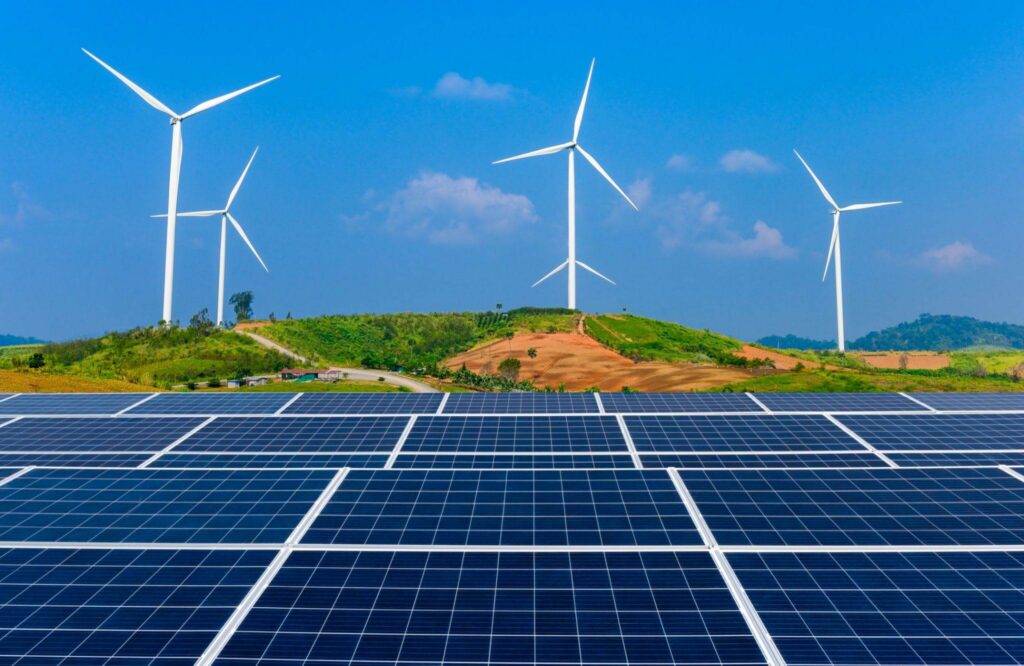
Solar power and wind power are both clean and renewable, making them ideal green energy sources. Geothermal energy also provides a stable and efficient solution with low environmental impact.
However, biomass energy, although derived from natural sources, can still produce greenhouse gas emissions. In contrast, nuclear energy produces very low emissions but depends on finite materials, meaning it is not renewable.
This comparison is essential in understanding energy vs renewable energy and how different energy sources impact sustainability goals.
The Nature of Renewable Energy
Renewable sources include energy captured from the sun and the wind. For instance, solar power and wind power utilise technology like wind turbines to generate electricity without depleting the earth’s resources. These energy sources are also renewable because they are naturally occurring and essentially infinite compared to fossil fuels, which take millions of years to form. Another vital player in this category is geothermal energy, which taps into the heat stored beneath the Earth’s surface.
Why Understanding the Difference Matters
The distinction between clean energy and renewable energy plays a key role in shaping global energy strategies. Clean energy reduces pollution and carbon emissions, while renewable energy ensures a stable and sustainable supply.
As the transition away from fossil fuels accelerates, combining both approaches becomes essential. Systems where clean energy includes low-emission technologies alongside renewable sources create more resilient and efficient energy networks.
You can also explore how green energy supports eco-friendly cities and reduces environmental impact in modern infrastructure to see how these concepts apply in real-world scenarios.
So, are clean energy and renewable energy the same?
The answer is no. Clean energy is defined by its low environmental impact, while renewable energy is defined by its source and long-term availability.
The most effective approach combines both clean and renewable systems to reduce carbon emissions, replace fossil fuels, and support sustainable energy development. Understanding this difference helps individuals and organisations choose better energy solutions for the future.