
At A Glance ...
- Off-grid renewable energy is a stand-alone energy system that operates independently from the electricity grid.
- It uses renewable energy sources such as solar panels and wind turbines to generate electricity and then generate and store it in battery systems.
- The system relies on charge controllers to regulate DC power and ensure safe energy flow.
- It is widely used in remote areas where grid connections are unavailable or costly, providing a reliable, energy efficient, and long-term energy solution for independent living.
What does off-grid renewable energy mean?
It refers to an independent energy setup that runs entirely without linking to the utility grid or any national power network. Rather than depending on centralized generation and distribution, it creates electricity on-site by using clean resources like solar power, wind energy, or micro-hydropower.
This approach is particularly valuable for rural or hard-to-reach locations where a grid hookup doesn’t exist, isn’t dependable, or would cost too much to build. It’s also popular in green homes and sustainable communities that prioritize self-reliance, lower energy waste, and long-term efficiency.
How Off-Grid Renewable Energy Systems Work
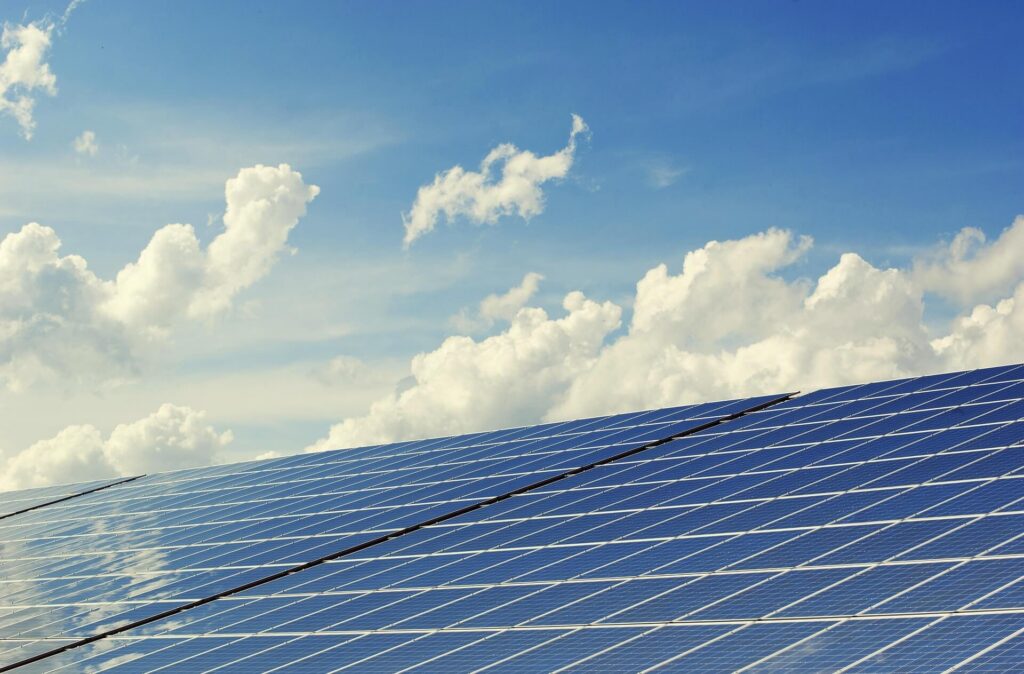
Off-grid systems function by harnessing naturally available energy and converting it into practical electrical power. Solar PV panels and wind turbines are among the most widely used options for generating electricity.
The system generates DC electricity, which is then handled by charge controllers that stabilize voltage, stop overcharging, and safeguard overall battery condition. This power is stored in batteries to be used later. Whenever required, an inverter changes DC electricity into AC power suitable for household appliances and everyday devices.
This full cycle enables a steady electricity supply without depending on the utility grid, turning it into a truly self-sufficient energy setup.
Core Components of Off-Grid Energy Systems
A well-rounded off-grid renewable energy setup includes several connected parts that deliver reliable power generation, control, and storage.
Solar panels transform sunlight into electricity, and wind turbines add extra output in locations with consistent wind. Battery storage captures surplus energy for future demand. Charge controllers manage power movement between system elements to maximize safety and performance. Inverters convert stored DC energy into practical AC electricity for home use.
Collectively, these elements create a dependable off-grid power setup that can serve houses, agricultural sites, and isolated facilities.
Renewable Energy Sources Used in Off-Grid Systems
The most common renewable option in off-grid systems is solar energy, valued for its broad availability, easy scalability, and minimal upkeep. Solar panels operate effectively across many climates and suit home-based power needs.
Wind turbines are another frequent choice, especially in coastal zones and wide-open areas where wind conditions remain steady. In more advanced configurations, hybrid systems integrate two or more generation sources to boost consistency and maintain uninterrupted power production.
By diversifying generation, these hybrid renewable systems lessen reliance on any single source and strengthen overall reliability.
Off-Grid Renewable Energy in Remote Areas
Off-grid renewable energy is essential for remote locations where expanding the power grid is either unrealistic or too expensive. These solutions enable households, farms, and small villages to produce and store power on-site.
By removing the requirement for grid tie-ins, off-grid setups deliver electricity to hard-to-reach regions, boost supply dependability, and cut long-term spending on large infrastructure. As a result, they are a vital approach to rural electrification and lasting, sustainable growth.

Benefits of Off-Grid Renewable Energy Systems
Off-grid renewable energy systems bring compelling long-range value. They offer true energy self-sufficiency by avoiding dependence on utility networks and shielding users from increasing electricity rates.
They further strengthen environmental goals by lowering greenhouse-gas emissions and expanding the share of clean, renewable generation. With careful planning and correct sizing, these systems operate efficiently and can greatly reduce total lifetime energy expenses.
They are also being adopted more often in today’s eco-friendly homes and countryside projects as a dependable, long-term energy option.
Challenges of Off-Grid Energy Systems
Even with clear advantages, off-grid setups demand thorough planning and smart system design. Significant upfront installation expenses are typical, driven by the need for batteries, solar arrays, wind turbines, and the required supporting infrastructure.
Energy storage capacity must be properly calculated to reflect real usage habits. When storage is too small, households can face power gaps during periods of weak generation.
Output is also affected by weather, particularly for solar and wind solutions. That said, progress in lithium battery technology, intelligent controllers, and hybrid configurations is steadily boosting reliability and overall efficiency.
Off-Grid vs Grid Renewable Energy Systems
Off-grid renewable systems run fully standalone with no grid link, whereas grid-connected renewables stay tied to the national network for backup and exporting surplus power.
Off-grid setups need to produce and store every bit of electricity on-site, which boosts self-sufficiency while putting greater emphasis on smart system planning. Grid-tied systems provide added options and adaptability, yet off-grid configurations deliver complete autonomy.
Why Off-Grid Renewable Energy Is Growing
Interest in off-grid renewable power is rising as utility rates climb, climate issues intensify, and renewable technologies continue to improve. Increasingly, homeowners are choosing off-grid solutions to secure lasting energy freedom.
At the same time, clean-energy incentives and breakthroughs in battery storage are making off-grid systems more feasible, effective, and cost-friendly.