
At A Glance ...
- Renewable energy in agriculture refers to the use of clean renewable energy sources such as solar energy, wind energy, geothermal heat, and biomass systems to power farming operations and reduce dependence on fossil fuel.
- It helps farmers lower rising energy costs while improving long-term energy security and stabilising energy supply across agricultural land.
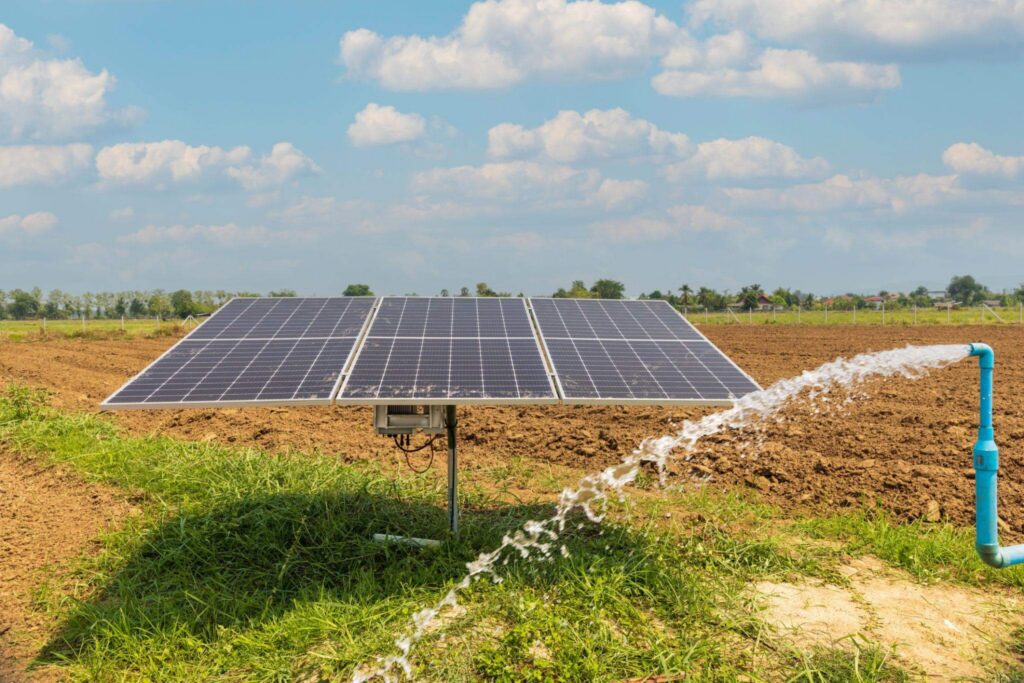
- Solar energy is widely used in irrigation systems, storage facilities, and farm electrification due to its accessibility and efficiency in most agricultural regions.
- Wind energy is ideal for farms located in high wind areas, where it can generate consistent electricity for machinery and rural farm operations.
- Geothermal heat and heat pumps provide reliable heating solutions for greenhouses and livestock buildings, regardless of weather conditions.
- Biomass energy converts agricultural waste into usable power, supporting reducing emissions and improving waste management in the agricultural sector.
- Overall, renewable energy solutions help integrate renewable energy into agriculture, reduce greenhouse gas emissions, and create more sustainable farming systems for the long term.
Renewable Energy Solutions for Farming
Understanding how to use renewable energy in agriculture is essential as the agricultural sector adapts to rising energy costs, volatile energy markets, and increasing pressure to reduce greenhouse gas emissions. Farmers are now adopting renewable energy solutions such as solar energy, wind energy, geothermal heat, and heat pumps to improve efficiency, stabilise energy supply, and reduce dependency on fossil fuel systems. These clean energy sources support long-term energy security and help integrate renewables into agriculture more effectively.
Renewable Energy in Agriculture
Renewable energy in agriculture focuses on producing renewable power from natural resources like sunlight, wind, water, and organic waste. It reduces reliance on fossil fuels, supports reducing emissions, and strengthens energy security across agricultural land. Solar energy and wind energy are the most widely adopted clean energy sources in modern farming systems.
Solar Energy in Agriculture
Solar energy is one of the most effective renewable energy solutions for farming. It is widely used across agricultural land for irrigation systems, lighting, storage facilities, and automated equipment.
Solar energy reduces reliance on fossil fuels and stabilises energy supply, especially in regions with strong sunlight. It also helps farmers manage rising energy costs while improving long-term operational efficiency.
Wind Energy in Agriculture
Wind energy is a reliable, clean energy source in high wind areas where farms can install turbines to generate electricity. It is commonly used for irrigation, machinery, and rural energy supply.
Wind energy helps reduce greenhouse gas emissions and provides a stable alternative to fossil fuel systems. It also improves energy security by reducing exposure to volatile energy markets and long-term energy price fluctuations.
Geothermal Heat and Heat Pumps in Agriculture
Geothermal heat and heat pumps are highly efficient, clean energy technologies used for heating greenhouses, livestock buildings, and water systems.
These systems provide consistent energy regardless of weather conditions. They reduce reliance on fossil fuel heating systems and significantly support reducing emissions in the agricultural sector while improving long-term energy efficiency.
Biomass Energy in Agriculture
Biomass energy plays a key role in energy in agriculture by converting agricultural waste into usable energy. Crop residues and animal manure can be processed to generate renewable electricity and heat.
This system improves waste management, strengthens energy supply, and enhances long-term energy security for farms while reducing environmental impact.

How to Integrate Clean Energy into Agriculture
Integrating renewables into agriculture starts with evaluating farm energy demand and identifying suitable clean energy sources. Solar energy is often the first step due to its low maintenance and scalability, followed by wind energy in suitable locations.
Once installed, these systems reduce dependence on fossil fuels, stabilise energy costs, and protect farms from volatile energy markets. Over time, they support sustainable farming and improve overall productivity.
Benefits of Clean Energy in Agriculture
Renewable energy solutions provide long-term advantages for the agricultural sector. They reduce greenhouse gas emissions, lower operational costs, and improve energy independence.
By adopting solar energy, wind energy, and geothermal heat systems, farms can reduce exposure to rising energy costs while improving environmental performance and long-term sustainability.
Learning how to use renewable energy in agriculture is essential for building a resilient and sustainable agricultural sector. Clean-energy solutions such as solar energy, wind energy, geothermal heat, and biomass systems reduce dependence on fossil fuels, improve energy security, and help farms adapt to volatile energy markets. These technologies support reducing emissions, lowering energy costs, and ensuring long-term sustainability in modern agriculture.