
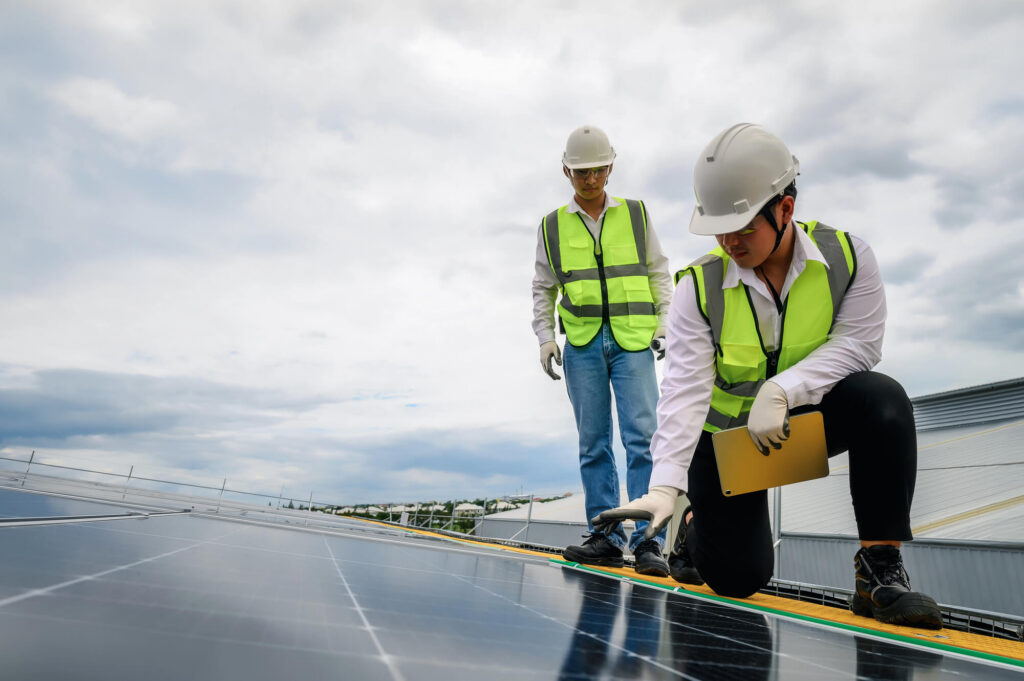
Solar panels can lower electricity bills, raise renewable energy use, and add long-term value for many UK homes.
Are Solar Panels Worth It in 2026?
For many UK households, solar panels can be a useful long-term investment. They let homeowners make electricity from sunlight instead of buying all their power from the grid.
Solar power is now a mature clean energy technology for electricity generation. As electricity demand changes and homes add electric vehicles and heat pumps, making more electricity at home can become even more useful.
The value of solar panels depends on several factors. These include installation cost, roof size, shading, electricity use, system size, and how much of the energy is used in the home.
A typical UK solar PV system can generate electricity for decades. That means its value should be judged over its full working life, not just in the first few years.
How Much Do Solar Panels Cost in 2026?
The cost of solar panels depends on system size, property type, installation needs, and equipment. A typical UK domestic solar PV system can cost several thousand pounds, while larger systems and battery storage increase the upfront cost.
The Energy Saving Trust says a typical 4.5kWp domestic solar PV system costs about £7,600 in 2026. The final price can still vary by property and installer.
Roof access, scaffolding, electrical work, and the complexity of the job can all affect the total price. Homeowners should compare several detailed quotes rather than choosing a system based only on the headline price.
Battery storage can also raise the cost. However, a battery can store extra solar electricity made during the day for use when solar generation is lower.
This can be especially useful for homes with higher evening electricity demand.
How Much Can Solar Power Save?
Solar power can cut the amount of electricity a household needs to buy from the grid. The savings depend on how much electricity the system generates and how much of that electricity is used directly.
Using electricity while solar panels are generating power can increase self-consumption. Running appliances in daylight, charging an electric vehicle, or using a heat pump when generation is higher can make better use of available energy.
Unused electricity can be exported to the grid through the Smart Export Guarantee in Great Britain. Export rates vary by supplier and tariff, so homeowners should check current terms before they choose an export option.
The Energy Saving Trust says solar payback can vary by location and household needs, with typical periods of about nine to 12 years.
Payback is only one part of the value. Solar panels can keep generating electricity after the initial cost has been recovered.
Solar Panels and the Growth of Clean Energy
The growth of solar panels is part of a wider shift in global energy generation. Countries are adding more renewable energy capacity from renewable sources such as solar and wind, while also developing new energy technologies.
In the United States and the UK, demand growth from electric vehicles, heat pumps, data centres, and manufacturing is putting more pressure on electricity systems. That makes extra power capacity more important.
Solar and wind are now major renewable sources in electricity generation. Their growth is changing how grids are planned, run, and connected.
Solar panels can add power capacity without burning fossil fuels during operation. Together with other clean energy options, they can help reduce reliance on older power systems.
Solar Power and Electric Vehicles
Electric vehicles can work well with solar panels because both use electricity. A home can use solar generation to charge an electric vehicle during the day.
That can increase the share of renewable energy used at the property instead of exporting extra generation.
The benefit depends on the vehicle charging schedule, battery size, household electricity use, and solar output.
As electric vehicle ownership rises, electricity demand may change too. Smart charging can help households use power when solar generation is available or when prices are lower.
Solar panels can then become part of a wider home energy system rather than a stand-alone energy source.
What Affects Solar Panel Performance?
Solar panel performance depends on the property and the installation. Roof direction, pitch, shading, and system size all affect annual energy generation.
A roof with little shading usually gives better conditions for solar generation. South-facing roofs are often best in the UK, but east- and west-facing roofs can also produce useful electricity.
Shading from trees, buildings, and chimneys can reduce output. The roof should also be checked before installation.
The UK’s weather does not stop solar panels from working. Solar PV systems use daylight as well as direct sunshine, so they can keep generating electricity on cloudy days.
Output changes through the year. It is usually higher in long summer days and lower in short winter days.
Should You Add Battery Storage?
Battery storage changes how a solar PV system is used. Instead of exporting all unused electricity, a battery can store some of it for later.
That can help households that use more power in the evening than during daylight hours.
A battery can also support greater use of solar electricity for appliances, heating systems, and electric vehicles.
But battery storage adds to the initial installation cost. Its value depends on surplus electricity, household demand, electricity prices, and export rates.
Homeowners should compare the expected savings from a battery with its purchase and installation cost.
Solar Panels and the UK Energy Transition
Solar energy is now closely tied to the move away from fossil fuels. Traditional power plants that burn coal, oil, or gas have long supplied much of electricity generation, but renewable sources are taking a bigger role in many power systems.
Solar power produces electricity without fuel combustion during generation. Wind turbines provide another major source of renewable electricity.
Together, solar and wind can raise renewable power capacity while reducing dependence on fossil fuel-based energy generation.
The wider energy transition also needs reliable grids, storage, and flexible electricity demand. These supporting technologies help manage periods when renewable generation changes with the weather.
For homeowners, this means solar panels can support both household energy use and a cleaner energy system.
Are Solar Panels Worth It for Your Home?
The value of solar panels depends on your own situation. A property with a suitable roof, limited shading, and regular electricity use may make good use of solar generation.
Homes with higher electricity demand may have more chances to use the electricity their system makes.
The installation should be sized for the property and expected energy use. A system that is too small may not meet enough demand, while an oversized system may export too much of its generation.
Homeowners should compare quotes and review expected annual generation, warranties, system parts, and estimated payback.
The Energy Saving Trust also offers a solar energy calculator that can help households estimate possible solar generation and savings.
Solar Panel Recycling and End-of-Life Planning
Solar panels are built to last for many years, but they do eventually reach the end of their useful life. Good end-of-life planning is an important part of the renewable energy industry.
Solar PV modules contain materials that can often be recovered, including glass, aluminium, silicon, and other components.
Recycling solar panels can support material recovery and cut the amount of solar waste that needs disposal.
As global energy capacity grows, planning for future solar panel waste becomes more important. Solar developers, businesses, and property owners can think about recycling needs when planning new renewable energy projects.
This supports a more circular model for clean energy and lowers the environmental impact of discarded equipment.
Solar Panel Maintenance and Long-Term Costs
Solar panels usually need only limited routine maintenance. Keeping the area around them clear of excess shading can help maintain electricity generation.
The inverter is another important part of a solar PV system. It changes the direct current made by the panels into alternating current used by household electrical equipment.
Solar panels can last 25 years or more, while an inverter may need replacement sooner.
Homeowners should think about inverter replacement and other maintenance costs when working out the long-term value of their system.
The Long-Term Benefits of Solar Energy
The benefits of solar panels go beyond lower electricity bills. Solar power can increase household use of renewable energy and reduce dependence on electricity made from fossil fuels.
Solar panels can also support wider clean energy goals by adding renewable power capacity.
When combined with battery storage, smart energy management, and electric vehicles, solar generation can become part of a more flexible household energy system.
The environmental benefit also depends on the electricity that solar generation replaces. Where solar electricity reduces demand for electricity made by fossil fuel-based power plants, it can help cut associated emissions.
Are solar panels worth it in 2026? The answer depends on the property, installation cost, electricity demand, and expected solar generation.
For many UK households, solar panels can provide long-term value by making renewable electricity, reducing grid purchases, and possibly providing export income.
Solar power is also becoming part of a wider energy system that includes electric vehicles, battery storage, wind turbines, and other clean energy technologies.
Before installing solar panels, homeowners should assess their roof, energy use, expected generation, system cost, and long-term maintenance requirements.
Planning for solar panel recycling is also important. As renewable energy capacity continues to grow, good end-of-life management can help recover useful materials and support a more circular energy system.