
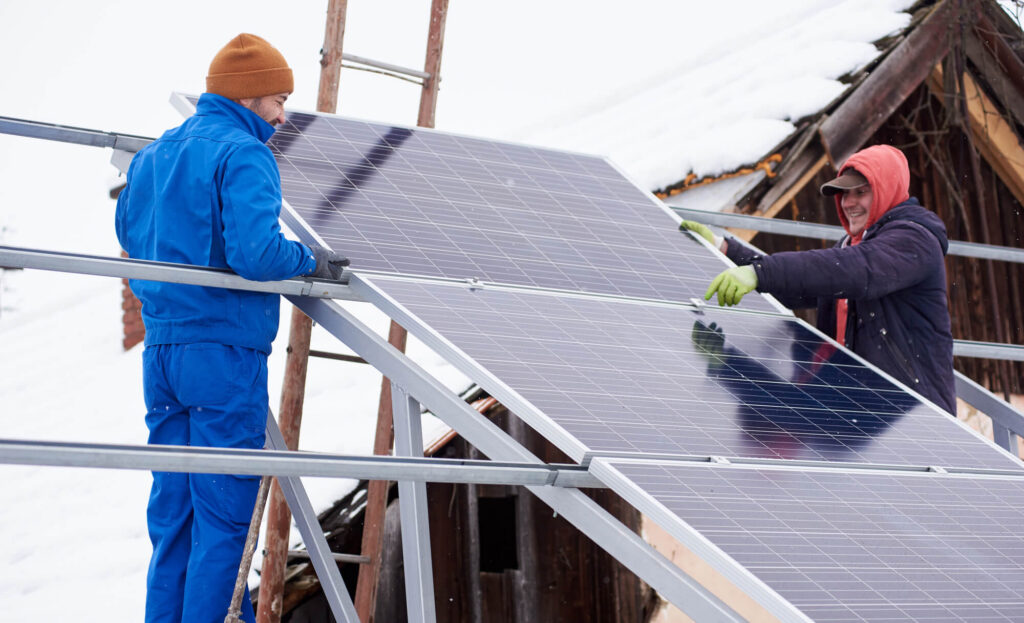
Solar panels can last for decades, but ageing, damage, and lower output may eventually make replacement worthwhile.
When Should Solar Panels Be Replaced?
Most modern systems are designed to operate for many years, but their performance efficiency gradually decreases. The solar panel lifespan depends on panel quality, installation conditions, weather exposure and regular maintenance.
Panels are designed to generate electricity reliably over a long operating period. However, a gradual decline in output is normal as solar technology ages. The average solar panel can continue producing electricity for decades, but its efficiency may become lower towards the later stages of its working life.
Age alone does not always mean you need to replace your solar panels. The condition of the equipment and its electricity generation should also be considered.
Signs You Should Replace Your Solar Panels
One of the clearest signs that it may be time to replace your solar panels is a noticeable and unexplained reduction in electricity generation. Solar systems naturally lose some output over time, but a sudden or unusually large decline may indicate a problem.
Monitoring your solar panel system can help identify changes in performance efficiency. If energy production continues to fall despite suitable sunlight and regular maintenance, a professional inspection can help identify the cause.
Other warning signs include visible cracks, damaged frames, water ingress, discolouration and delamination. These problems can affect the ability of panels to operate safely and efficiently.
Solar Panel Lifespan and Performance
Understanding the solar panel lifespan can help property owners plan for future panel replacement. Many modern panels are expected to remain operational for 20 to 30 years, although actual performance varies between products and installation conditions.
Solar panels are built to withstand outdoor conditions, but constant exposure to sunlight, rain, wind and temperature changes can gradually affect their materials. This natural ageing process can reduce electricity generation.
Regular maintenance can help identify problems earlier. Keeping panels clean, checking system performance and arranging professional inspections can help maintain a solar installation for longer.
When Should Solar Panels Be Replaced Because of Damage?
Severe weather can cause physical damage that may require earlier replacement. Cracked panels, broken glass, damaged cables or loose mounting equipment should be inspected by a qualified professional.
Not every damaged component means the entire solar system needs replacing. Depending on the problem, individual panels, cables, inverters or mounting components may be repaired or replaced.
However, widespread damage can make a larger upgrade more practical. A professional assessment can help determine whether panel replacement, component repair or a complete system upgrade is appropriate.
Solar Technology Can Affect Replacement Decisions
Solar technology continues to develop, which means newer panels may offer improved efficiency compared with older equipment. A modern solar installation may also include improved monitoring, smarter inverters and better system controls.
This does not mean every older system should be replaced. The potential benefits of upgrading should be considered alongside the current condition of the solar panel system, its energy output and future electricity requirements.
In some cases, replacing only older components can improve system performance without removing all existing panels.
When Should Solar Panels Be Replaced Instead of Repaired?
The decision between repair and panel replacement depends on the condition and age of the equipment. A small fault may be relatively simple to repair, while repeated failures can indicate that a system is approaching the end of its useful life.
Older panels may also become less economical to maintain if replacement parts are difficult to source. If several components are ageing at the same time, upgrading the wider solar system may provide a more practical long-term solution.
Performance data can help support this decision. Comparing current electricity generation with historical records can show whether the system is experiencing a gradual decline or a more serious fault.
The Role of Regular Maintenance
Regular maintenance is important throughout the life of a solar panel system. Inspections can identify physical damage, electrical problems, and performance issues before they become more serious.
Cleaning may also be necessary where dirt, dust or other debris affects the amount of sunlight reaching the panels. However, maintenance requirements vary depending on the installation and local conditions.
A well-maintained system can continue operating effectively for many years, while neglected problems may reduce performance efficiency and increase repair costs.
What Happens When Solar Panels Are Replaced?
Replacing solar panels creates an important end-of-life waste management requirement. Old panels should not simply be treated as general waste because they contain materials that can potentially be recovered.
Glass, aluminium, silicon, copper and other materials can be recovered through suitable recycling processes. Responsible recycling can reduce waste and support the recovery of useful raw materials.
For businesses planning an upgrade, end-of-life management should be considered before old equipment is removed. This can make it easier to arrange suitable collection, transport, and recycling.
How to Decide If Your Solar System Needs an Upgrade
There is no single age at which every solar installation needs to be replaced. Instead, several factors should be considered, including panel age, electricity generation, visible damage, maintenance requirements and the condition of supporting equipment.
If your solar panel system continues to perform well, replacement may not be necessary simply because it is older. However, repeated faults, falling output and increasing repair requirements may indicate that an upgrade should be considered.
A professional inspection can provide a clearer understanding of the condition of your panels and other equipment. This can help determine whether repair, refurbishment, individual panel replacement or a complete upgrade is the most suitable approach.
Plan Panel Replacement Responsibly
Knowing when solar panels should be replaced can help property owners plan upgrades before performance problems become more serious. Ageing, physical damage and falling output are important signs to monitor.
Solar panels are built for long-term use, but no solar system lasts indefinitely. When replacement becomes necessary, responsible recycling should be included in the project from the beginning.
Planning can help maintain reliable energy generation while ensuring old PV equipment is managed responsibly at the end of its working life.