
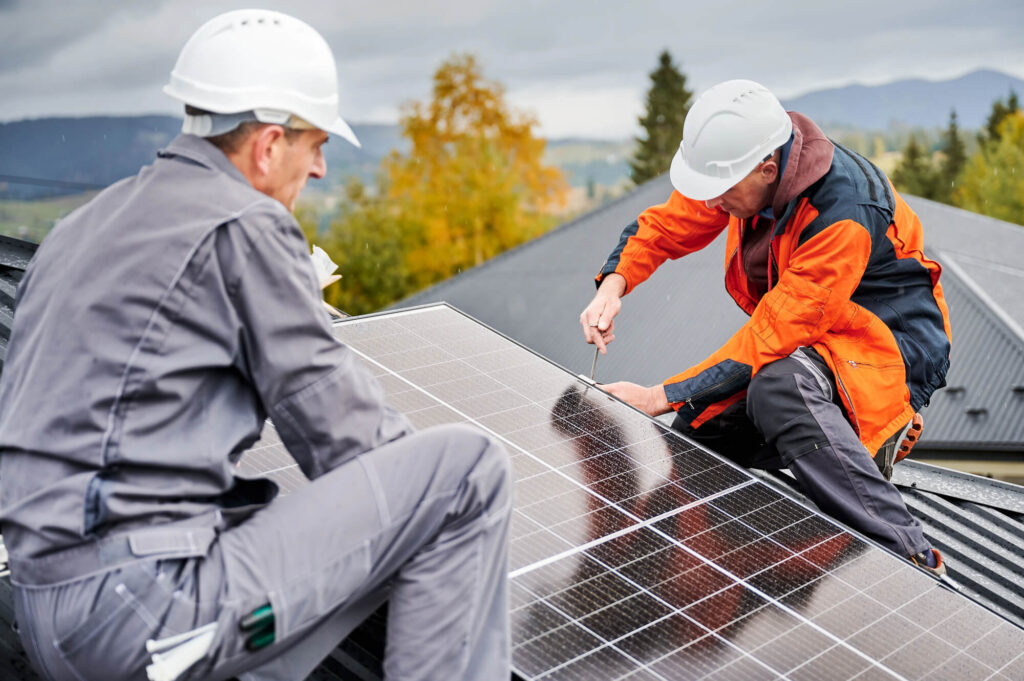
Old vs new solar panels can differ in efficiency, output and technology. Before replacing an existing solar system, check its performance, condition, and future energy needs.
Old vs New Solar Panels: What Has Changed?
The difference between old vs new solar panels is mainly linked to efficiency, power output, technology, and design. Solar technology has developed considerably, allowing modern panels to produce more electricity from a similar roof area.
Older installed solar panels can continue generating electricity for many years, but their output gradually declines. Newer modules may offer higher power ratings and improved cell designs, making them useful when roof space is limited.
However, newer does not automatically mean better for every property. The condition of the existing system, inverter, wiring, mounting equipment, and solar panel performance should all be considered before making a decision.
A professional assessment can show whether the current solar setup is still meeting your electricity needs or whether an upgrade could provide additional value.
How Long Do Existing Solar Panels Last?
Solar panels are designed to operate for decades, although their electricity production gradually decreases with age. The rate of degradation depends on the panel technology, installation conditions, climate and maintenance history.
An existing solar system that has been properly maintained may still produce useful renewable energy long after its original installation.
This means age alone should not determine whether you replace your panels. Comparing current electricity generation with the system’s original performance can provide a more useful indication of its condition.
Physical damage should also be checked. Cracked glass, corrosion, damaged frames, moisture ingress and visible discolouration may indicate that a solar panel requires inspection or replacement.
Signs Your Solar System May Need an Upgrade
A noticeable reduction in electricity generation can indicate that an existing system needs attention. If your energy consumption has increased since the panels were installed, the system may also no longer provide enough electricity for your property.
Changes in household or business energy demand can make an upgrade more attractive. For example, installing heat pumps, an electric vehicle or other high-demand equipment can significantly increase electricity consumption.
The inverter should also be assessed. Solar panels can remain operational while an older inverter reaches the end of its useful service life.
Monitoring data can help identify changes in performance. If electricity generation has fallen unexpectedly, certified installers can inspect the system and determine whether the issue is related to the panels, inverter, wiring, shading or another component.
Why Modern Panels Can Improve Solar Performance
Modern panels can provide higher power output than many older modules. This can be particularly useful for properties with limited roof space.
If your existing solar system occupies most of the available roof area, installing higher-output modules could increase generation without requiring a much larger solar setup.
Modern panels can also work effectively alongside newer energy technologies. Homeowners considering adding battery storage may want to review the performance and capacity of their current system before purchasing additional equipment.
If electricity demand has increased, it may be possible to add more panels rather than replace every existing solar panel. The feasibility will depend on roof space, inverter capacity, electrical design and the requirements of the local grid connection.
Adding Battery Storage to an Existing Solar System
Adding battery storage can change how a solar system is used. Instead of exporting surplus electricity immediately, a compatible battery can store some generated energy for later use.
For properties with an existing system, adding a battery may increase the amount of solar-generated electricity used on-site. This can be particularly useful when electricity demand is higher during the evening than during daylight hours.
However, the existing system needs to be assessed before adding a battery. The inverter, electrical equipment, solar generation capacity and available space should all be considered.
If you are planning to add a battery, certified installers can check whether the current solar setup is compatible or whether additional equipment is required.
Should You Add More Panels?
Adding more panels can be an alternative to replacing an existing solar system. This approach may work when the current panels are still performing well and there is enough suitable roof space.
Before adding new modules to an older installation, the system design should be checked carefully. Differences in panel specifications, electrical characteristics and inverter compatibility can affect how additional panels operate.
The available roof area should also be considered. If the roof is already full, replacing older modules with modern panels could provide greater generating capacity within the same space.
Where an extension is technically possible, there may be no need for a full system replacement.
When a Full System Replacement May Be Appropriate
A full system replacement may become appropriate when several major components are ageing, damaged or no longer suitable for the property’s energy requirements.
For example, replacing the entire system may be considered if the panels have suffered widespread damage, the inverter needs replacing, the mounting system requires major work or the existing system cannot accommodate future energy demand.
Future requirements should be considered before making a decision. Adding battery storage, heat pumps or an electric vehicle can change the amount of electricity a property needs.
Replacing an entire solar setup can also provide an opportunity to install modern panels, update monitoring equipment and design the system around current energy consumption.
MCS Certification and Solar Upgrades
When choosing an installer in the UK, it is important to understand the role of MCS certification. The Microgeneration Certification Scheme covers standards for certain renewable energy installations and certified contractors.
Using an appropriately certified installer can help ensure that installation work follows recognised standards and that the system is designed correctly.
This is particularly relevant when upgrading an existing system, adding a battery or installing additional panels. Always check the current requirements that apply to your particular installation and technology.
Can Existing Solar Panels Be Reused?
Old solar panels do not necessarily need to become waste immediately. Panels that remain safe and functional may potentially have a further useful life, depending on their condition and electrical performance.
Reuse can extend the service life of equipment and reduce the need for immediate disposal. However, damaged or unsafe modules should not simply be passed on for reuse.
Where installed solar panels have reached the end of their useful life, responsible recycling can recover materials and prevent inappropriate disposal.
Solar panels fall within UK WEEE requirements, meaning appropriate end-of-life management is important. The UK Government provides guidance on the treatment of photovoltaic panels and other electrical and electronic equipment.
Solar Panel Recycling After an Upgrade
Replacing old equipment creates a responsibility to manage the removed panels correctly. Solar panel recycling can recover materials such as glass and metals while ensuring components are processed through appropriate waste management routes.
Businesses planning a solar upgrade should consider recycling arrangements before the old panels are removed. This can make the project easier to manage and help ensure that waste is handled responsibly.
For businesses looking for a suitable recycling route, solar panel recycling services can provide a practical option for managing end-of-life photovoltaic equipment.
The UK Government’s WEEE guidance also provides information about appropriate treatment requirements for photovoltaic panels.
Is Replacing Old Solar Panels More Sustainable?
Replacing an older system is not automatically the most sustainable option. If an existing solar system continues to produce useful renewable energy, keeping it operational can extend the life of the equipment.
However, modern panels may generate more electricity from the same roof area. If an older installation has significant performance losses or cannot meet current electricity demand, upgrading could improve the property’s renewable energy generation.
The decision should therefore consider panel condition, electricity output, remaining service life, future energy requirements and the environmental impact of manufacturing replacement equipment.
Recycling the old equipment can also form an important part of a responsible upgrade.
What to Check Before Upgrading
Start by checking how much electricity the existing solar system currently generates. Compare recent performance with previous records to identify any significant changes.
Next, inspect the solar panel condition, inverter, mounting structure and electrical connections. If performance has fallen, a professional inspection can help identify the cause.
Consider future energy requirements as well. Adding a battery, installing heat pumps or increasing electricity consumption may affect the size and design of the system you need.
Roof condition should also be considered. If roofing work is planned, coordinating it with solar work may avoid unnecessary removal and reinstallation.
Certified installers can assess whether the best approach is to retain the existing system, add more panels, replace specific components or undertake a full system replacement.
Old vs New Solar Panels: Making an Informed Choice
Old vs new solar panels should be compared based on performance, condition, available roof space and future electricity requirements rather than age alone.
An existing system that still performs well may not require replacement. In other cases, modern panels, additional capacity or adding battery storage could make an upgrade worthwhile.
Before replacing installed solar panels, assess the entire solar setup and consider how your energy needs may change. If replacement is required, include responsible solar panel recycling in the upgrade plan.
This approach can help extend useful equipment life, improve renewable energy generation where needed and ensure old panels are managed responsibly.