
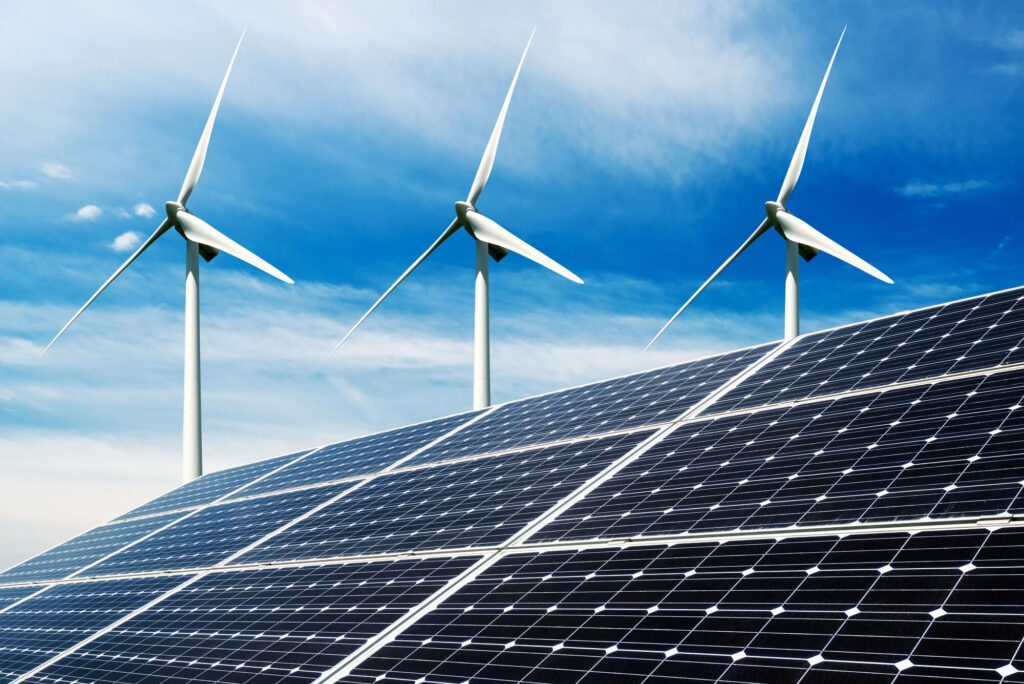
The global energy mix is changing as renewable energy expands while fossil fuels continue to supply electricity, transport, and industry. Renewable Energy vs Fossil Fuels is now a major part of discussions about how countries can meet rising demand while developing a more flexible and lower-emission energy system.
Renewable energy is growing rapidly, but fossil fuels still provide a large share of global energy. Solar, wind, storage and other energy technologies are changing how electricity is generated and managed.
How Is the Global Energy Mix Changing?
The global energy mix includes the different sources used to produce electricity, heat buildings, operate transport and support industry. These sources include coal, oil, natural gas, solar, wind, hydropower and nuclear power.
The International Energy Agency reported that renewables provided 34% of global electricity generation in 2025, up from 32% in 2024. Solar and wind together reached 17% of global electricity generation.
Fossil fuels still have a major role. Coal remained the largest individual source of global electricity generation in 2025, while natural gas supplied another significant share. This shows that the transition towards clean energy is progressing without an immediate replacement of every fossil fuel source.
The change is particularly visible in electricity. Renewable power capacity is increasing quickly, while electricity demand is also rising as transport, heating and industrial processes become more electrified.
Renewable Energy vs Fossil Fuels: What Is the Difference?
Renewable energy comes from naturally replenished sources such as sunlight, wind and flowing water. Solar and wind power are now central parts of new electricity generation because projects can be developed at different scales.
Fossil fuels include coal, oil and natural gas. They are formed over very long periods from ancient organic matter and are extracted from finite geological resources.
One important difference is how the resources are used. Solar panels and wind turbines generate electricity without burning fuel during operation. Fossil fuel power stations burn coal or gas to produce electricity.
Renewable generation can therefore reduce the need for fuel during electricity production. However, solar and wind output varies according to sunlight and weather. This creates a need for flexible grids, storage and other supporting energy technologies.
Fossil fuel generation can often be adjusted according to electricity demand, but its continued use is associated with greenhouse gas emissions and air pollution. These differences are influencing investment decisions across the global energy sector.
Why Is Renewable Energy Growing?
Solar and wind power are expanding rapidly because they can provide large amounts of electricity without ongoing fuel consumption. Solar PV can also be installed in many locations, including homes, commercial buildings, industrial sites and large solar farms.
The growth of solar power has been particularly significant. According to the IEA, solar PV generation increased by around 600 terawatt-hours in 2025, representing the largest annual increase among electricity sources outside major post-crisis rebounds.
Wind power is also contributing to the changing energy system. When combined with solar, wind can increase the amount of electricity produced from renewable sources across different periods of the day and year.
This growth is helping countries diversify their electricity supply. It can also reduce exposure to some fuel price changes, although renewable projects still depend on manufacturing, infrastructure, financing and access to raw materials.
The Role of Energy Storage
As renewable energy becomes a larger part of the electricity system, energy storage is becoming increasingly important.
Solar generation is strongest during daylight hours, while electricity demand can remain high after sunset. Battery storage can help move electricity from periods of high renewable generation to periods when demand is higher.
Storage is not the only solution. Electricity networks can also use flexible demand, interconnectors, improved forecasting and other grid technologies to balance supply and demand.
A modern energy system therefore needs more than new generation capacity. It needs infrastructure that can move, store and manage electricity efficiently.
This is particularly important as total energy demand changes. The IEA reported that global electricity demand grew by around 3% in 2025, significantly faster than overall energy demand.
Why Do Fossil Fuels Remain Important?
The growth of renewable energy does not mean fossil fuels have disappeared. Oil, gas and coal remain deeply connected to many economies.
Oil continues to play a major role in transport and petrochemical production. Natural gas is used for electricity generation, heating and industrial processes. Coal remains important for electricity and industrial applications in several countries.
In 2025, global demand for all three major fossil fuels increased, although the rate of growth was slower than in the previous year.
The continued role of fossil fuels means the energy transition is taking place over time rather than through an immediate global switch. Countries have different energy resources, infrastructure, economic priorities and electricity needs.
This creates different pathways towards a lower-emission energy system. Some countries are adding renewable capacity rapidly, while others continue to rely on established fossil fuel infrastructure alongside new clean energy projects.
How Energy Technologies Are Supporting Change
New energy technologies are helping electricity systems adapt to a changing generation mix. Battery storage, smart grids, advanced forecasting and demand management can improve flexibility.
Electric vehicles are also increasing electricity demand while reducing the need for petrol and diesel in some transport applications. Heat pumps can similarly shift some heating demand from direct fossil fuel use towards electricity.
These changes connect different parts of the energy system. Electricity is becoming more important not only for lighting and appliances but also for transport, heating and industrial processes.
The growth of energy technologies also creates new resource and waste management challenges. Solar panels, batteries, wind turbine components and electrical equipment all have finite working lives.
Planning for reuse, recycling and responsible end-of-life management can help recover valuable materials and support a more circular clean energy economy.
Regional Differences in the Global Energy Transition
The pace of change differs considerably between regions. Some advanced economies have increased renewable electricity through long-term investment in wind, solar, grids and storage.
Emerging markets and developing economies are also installing large amounts of renewable capacity, but many continue to depend heavily on coal, gas and oil.
China is an important example of a rapidly changing electricity market. Renewable generation has expanded significantly, particularly from solar and wind, while coal continues to provide a large share of electricity.
The European Union has also experienced significant renewable growth. In 2025, solar PV and wind together accounted for around 30% of EU electricity generation, according to the IEA.
These differences show why no single pathway fits the global energy transition. National resources, electricity demand, infrastructure and investment conditions all influence the balance between renewable energy and fossil fuels.
What Does the Changing Energy Mix Mean for Businesses?
Businesses are likely to experience the energy transition through electricity costs, energy sourcing, infrastructure decisions and changing environmental requirements.
Companies investing in renewable electricity may need to consider solar installations, power purchase agreements, battery storage and energy efficiency. At the same time, businesses using older equipment may need to plan for replacement, reuse or recycling.
The expansion of renewable energy will also increase demand for materials such as aluminium, copper, silicon and other critical minerals. Responsible resource management can help reduce waste and keep useful materials within the economy.
For companies involved in solar projects, understanding the future of solar panel recycling is becoming increasingly important. End-of-life planning can support material recovery and reduce the amount of renewable energy equipment sent for disposal.
A stronger circular economy can therefore become an important part of the wider clean energy transition.
What Does the Future Energy Mix Look Like?
The global energy mix is likely to become increasingly diverse. Renewable energy will continue to expand, while fossil fuels will remain part of the energy system during the transition.
Solar and wind are expected to remain important sources of new electricity generation. Battery storage, grid improvements and other energy technologies will help manage variable renewable generation.
At the same time, growing electricity demand will create pressure for additional generation and stronger networks. Electrification of transport, heating and industry could further increase the importance of electricity within total energy consumption.
The transition will therefore involve more than replacing one fuel with another. It will require changes to infrastructure, investment, technology, resource management and energy use.
Renewable Energy vs Fossil Fuels reflects a global energy system that is changing gradually rather than switching overnight. Renewable energy is expanding rapidly, particularly in electricity generation, while coal, oil and natural gas continue to play significant roles.
Solar, wind, battery storage, smart grids and other clean energy technologies are changing how energy is produced and managed. As this transition continues, businesses will also need to consider energy efficiency, infrastructure and responsible recycling.
The future global energy mix will depend on how quickly countries can expand renewable generation, modernise electricity networks and manage rising total energy demand while maintaining reliable energy supplies.