
At A Glance ...
- The question of which renewable energy is the best has no single answer because each system serves a different purpose.
- Wind power is the strongest large-scale solution due to offshore wind capacity and low carbon emissions.
- Solar energy is the most practical for homes using solar panels, while geothermal energy and biomass energy provide additional support for diverse energy supply needs.
- Together, these renewable energy sources help reduce dependence on fossil fuels and support a cleaner, more sustainable future.
A key question is which renewable energy is the best as the world moves away from fossil fuels and reduces carbon emissions. Modern renewable energy sources such as solar energy, wind power, geothermal energy, and biomass energy are now essential for sustainable electricity generation. Choosing the best power source depends on efficiency, cost, and long-term energy supply needs. In practice, determining the best renewable energy option also depends on local climate, grid infrastructure, and policy incentives.
Types of Renewable Energy Explained
Solar Energy and Solar Power
Solar energy is one of the most widely used renewable energy sources. It converts sunlight into solar power using solar panels. This clean energy option is increasingly popular for homes and businesses due to falling costs and improved efficiency.
Solar energy helps reduce carbon emissions and supports long-term energy supply stability. However, output depends on sunlight, meaning performance can vary in winter months. It is often recommended for households looking to follow guidance similar to a renewable energy comparison guide that explains suitability based on location and usage.
Wind Power and Offshore Wind Farms
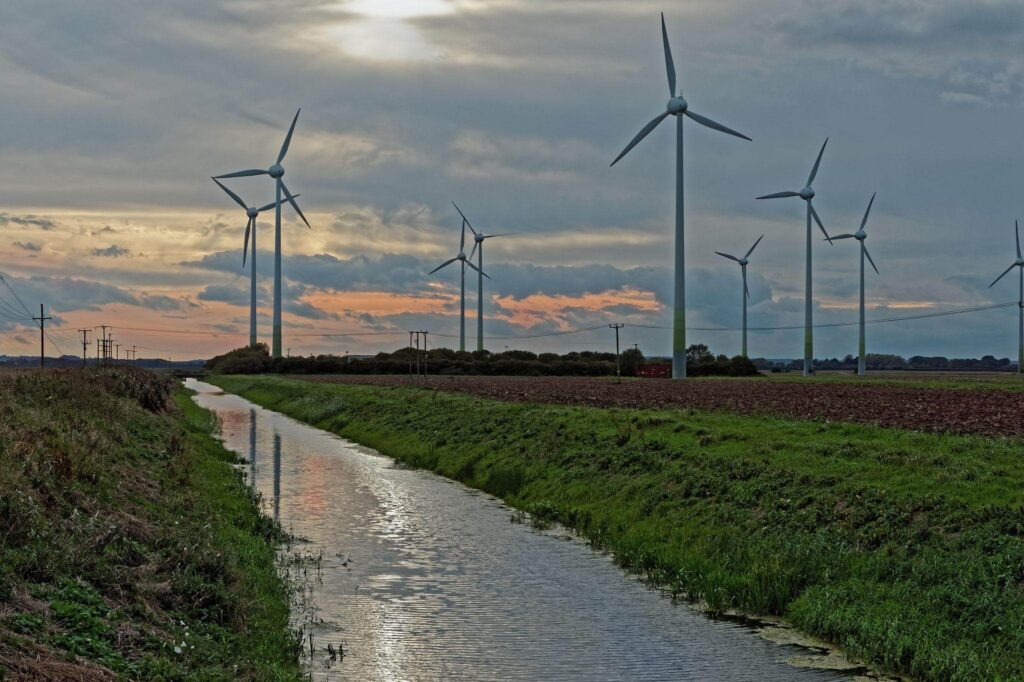
Wind power is one of the strongest renewable energy sources in the UK. Offshore wind farms generate large-scale electricity generation due to strong sea winds and consistent airflow conditions. Many modern wind farms are designed to operate efficiently for more than 25 years.
Wind power has one of the lowest carbon footprints compared to fossil fuels and nuclear power. It plays a major role in reducing carbon emissions and increasing national energy supply security. Wind energy is often highlighted in global renewable energy leadership studies as one of the fastest-growing power sources.
Geothermal Energy
Geothermal energy uses heat from beneath the Earth’s surface as a constant power source. It provides stable energy supply regardless of weather conditions, making it one of the most reliable renewable energy sources available.
Although geothermal energy has a very low carbon footprint, it is less widely used in the UK due to geological limitations and high installation costs. It remains an efficient long-term clean energy solution in suitable regions.
Biomass Energy
Biomass energy is produced from organic materials such as wood, agricultural crops, and waste. It is considered a flexible renewable energy source because it can generate heat and electricity generation.
While biomass energy helps reduce reliance on fossil fuels, it can still produce carbon emissions if not managed sustainably. Its role in clean energy systems depends on how materials are sourced and processed.

Which Renewable Energy Is the Best in the UK?
Wind power is currently the most effective renewable energy source in the UK because offshore wind farms produce large amounts of electricity generation with a very low carbon footprint. Solar energy is the best option for households due to affordable solar panels and easy installation.
Geothermal energy is highly efficient but limited by geography, while biomass energy provides flexible energy supply but is less clean than wind and solar.
A balanced approach is often recommended when evaluating renewable energy systems, similar to structured comparisons used in clean energy research and energy transition studies. These comparisons show that no single power source fits all needs.
Wind power delivers the highest electricity generation in the UK and performs strongly in offshore wind conditions with long operational lifespans of around 25 years. Solar energy is the most accessible clean energy option for homes using solar panels to generate solar power. Geothermal energy provides stable output but is location dependent. Biomass energy supports flexible energy supply but may still produce carbon emissions depending on sourcing.
Key Factors That Decide the Best Power Source
The best renewable energy depends on efficiency, cost, and environmental impact. Wind power is best for large-scale electricity generation, while solar energy is ideal for residential use. Geothermal energy offers consistent output, and biomass energy supports backup energy supply.
The global shift away from fossil fuels toward clean energy is driven by the need to reduce carbon emissions and improve long-term energy supply security. Research on safe and sustainable energy systems shows how different technologies perform under real-world conditions, helping countries plan future energy strategies more effectively.