
At A Glance ...
- Renewable energy uses natural sources like sunlight, wind, and water to generate electricity while reducing carbon emissions.
- Understanding how renewable energy works is essential as the UK accelerates its transition away from fossil fuels. Renewable systems use natural sources to generate electricity, significantly lowering carbon dioxide and greenhouse gas emissions.
- This shift to clean energy is critical for reducing environmental impact and achieving long-term sustainable energy goals, as outlined in this guide to renewable energy.
- Understanding how renewable energy works highlights its importance in reducing carbon emissions and replacing fossil fuels. By using natural sources such as sunlight, wind, and water, renewable systems can generate electricity efficiently and sustainably. As adoption increases, renewable energy will remain central to achieving a cleaner, low-carbon future.
A Simple Guide on How Renewable Energy Works
Renewable energy works by capturing energy from natural sources and converting it into electricity. The energy produced is then distributed through national grids to power homes, businesses, and industries, supporting the transition to sustainable energy. If you’re asking how does renewable energy work in practice, this capture, conversion, and distribution chain is the core.
Solar Power and Solar Wind Systems Explained
Solar power captures sunlight using photovoltaic cells, which convert solar energy into electricity. This process produces clean energy with no direct carbon emissions. Solar wind hybrid systems combine solar power and wind power, improving efficiency and ensuring more stable energy produced throughout the year.
Wind Power and Wind Turbines in the UK
Wind power uses wind turbines to harness the kinetic energy of air. As the blades rotate, they drive generators that generate electricity. The UK is a global leader in large scale wind power, especially offshore, helping reduce carbon footprint and carbon emissions nationwide. As a cornerstone of renewable energy in the UK, both onshore and offshore wind contribute significant capacity.
Hydropower Systems and Water Energy
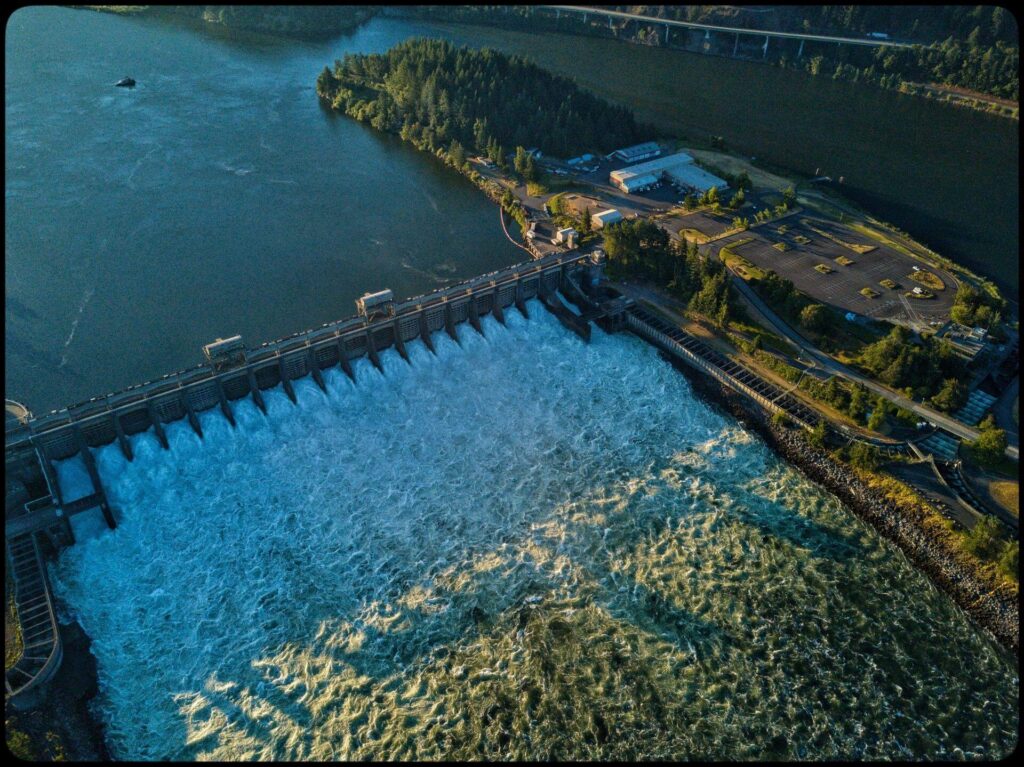
Hydropower uses flowing water to spin turbines and generate electricity. It is one of the most efficient renewable systems, producing consistent energy with low greenhouse gas emissions. Hydropower is particularly effective for large scale energy production.
Geothermal Energy and Heat from the Earth
Geothermal energy captures heat stored beneath the Earth’s surface. This heat is used to produce steam, which powers turbines and helps generate electricity. It is a reliable and stable source of energy produced, independent of weather conditions.
Biomass Energy from Organic Materials
Biomass uses organic materials such as agricultural waste, wood, and natural by-products. These materials are converted into energy through controlled processes, helping reduce waste while producing sustainable energy and lowering overall carbon emissions.
The main types of renewable energy include solar power, wind power, hydropower, geothermal energy, biomass, and ocean energy. All of these use natural sources to generate electricity, reduce reliance on fossil fuels, and lower carbon dioxide and greenhouse gas emissions.

Why Renewable Energy Is Important for the UK
Renewable energy is essential for reducing reliance on fossil fuels and lowering carbon dioxide output. By cutting greenhouse gas emissions, it directly supports climate goals and improves air quality. For renewable energy in the UK, these benefits align with national climate targets and long-term energy security.
The expansion of clean energy infrastructure also strengthens energy security and reduces dependence on imported fuels. Recycling technologies further improve sustainability, especially in areas such as solar panel recycling, which supports long-term environmental protection.
Challenges and Future of Renewable Energy
Renewable energy systems depend on natural conditions, meaning solar power and wind power can vary. Energy storage solutions are still evolving, and infrastructure investment is required to scale production.
However, rapid technological advances are improving efficiency, reducing costs, and making renewable systems more reliable. As innovation continues, renewable energy will dominate future energy markets.
Renewable energy works by capturing energy from natural sources such as sunlight, wind, and water, and converting it into electricity using technologies like solar panels, wind turbines, and hydroelectric systems. This process generates clean energy with low carbon emissions and reduces reliance on fossil fuels.