
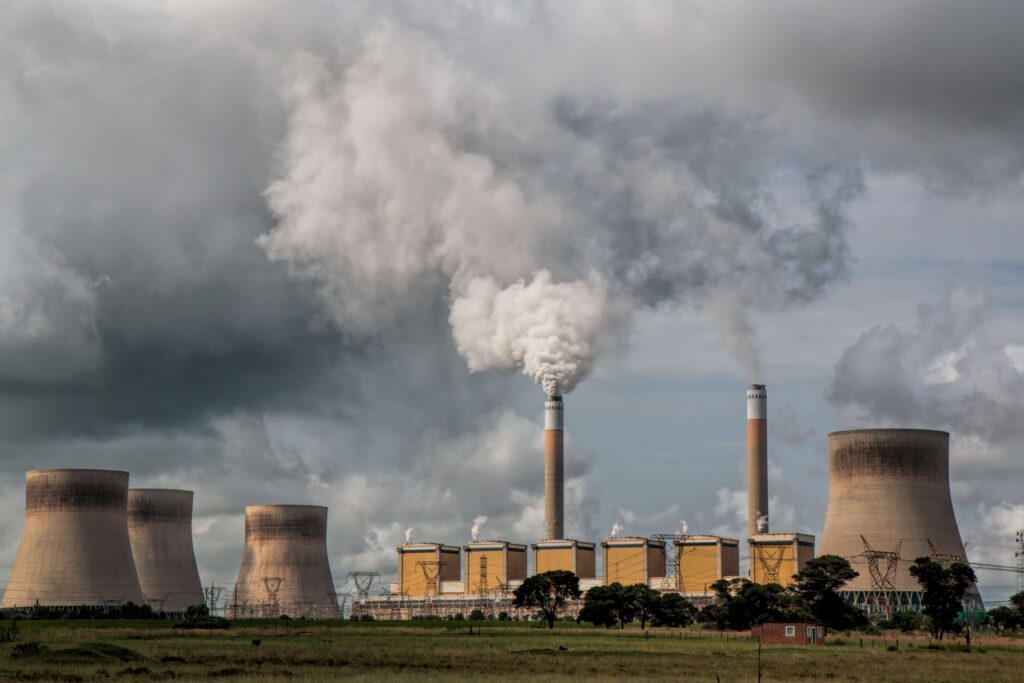
At A Glance ...
- Non-renewable energy includes fossil fuels and nuclear power, which take thousands to millions of years to form.
- They power the United Kingdom and many other countries today but will eventually run out.
- Using renewable energy sources provides cleaner alternatives and helps protect plants and animals while mitigating climate change.
Understanding what energy is non-renewable is essential in a world increasingly aware of climate change and sustainability. Non-renewable energy sources, such as crude oil, coal, and natural gas, take millions of years to form and cannot be quickly replaced. These fuels currently generate electricity and power transport, but over time they will eventually run out.
Non-Renewable Energy Explained
Non-renewable energy comes from resources that exist in limited quantities and form over thousands or millions of years. Once used, they cannot be replenished within a human lifetime.
Fossil fuels like oil and natural gas are extracted from beneath the Earth and are used to generate electricity, heat homes, and fuel vehicles. Burning fossil fuels releases carbon dioxide, which contributes to global warming and environmental pollution.
Nuclear energy is another non-renewable source. Although nuclear power does not emit CO₂ during electricity generation, uranium is a finite resource, and its extraction and waste management remain significant challenges.
For a deeper understanding of nuclear energy and safe disposal, see nuclear energy recycling insights for related guidance.

Common Types of Non-Renewable Energy
Coal powers electricity generation in many regions, including the United Kingdom. Oil and natural gas are refined into fuels for transport and heating. Nuclear power uses uranium to produce electricity in nuclear plants. These energy sources rely on materials formed from ancient plants and animals, compressed over millions of years. They are non-renewable because the Earth cannot replace them fast enough to keep up with human consumption.
Environmental Impacts
Using non-renewable energy has several consequences. Burning fossil fuels contributes to air pollution, while greenhouse gas emissions from these sources drive climate change. Additionally, non-renewable resources face depletion, and key fuels will eventually run out. Switching to renewable energy sources helps reduce these impacts and ensures a cleaner, more sustainable energy future. Practical renewable energy solutions include solar, wind, hydro, and geothermal technologies that can be scaled in homes, businesses, and cities
Non-Renewable vs Renewable Energy
Non-renewable energy sources are finite, while renewable energy comes from resources that naturally replenish, such as sunlight, wind, and water. Moving towards renewable options is vital as coal, oil, and natural gas are expected to eventually run out.
Renewable energy sources are sustainable and environmentally friendly, reducing dependency on fossil fuels and nuclear power. Exploring renewable energy solutions can also improve energy security while lowering long-term costs.