
At A Glance ...
- Geothermal energy is a reliable renewable energy source that uses geothermal heat from the earth’s crust to produce clean and consistent power. It offers several advantages, including low emissions, stable energy output, and efficient heating and cooling systems. These benefits make it a strong alternative to fossil fuels in the transition toward cleaner energy.
- However, geothermal energy also has limitations such as high upfront costs, location restrictions, and the need for careful management to ensure long-term sustainability. Despite these challenges, ongoing improvements in technology are making geothermal systems more efficient and widely accessible.
- Overall, geothermal energy plays an important role in supporting a more sustainable and low-carbon energy future.
Is Geothermal a Renewable Energy? Benefits, Facts, and How It Works
Geothermal energy is a renewable energy source because it uses geothermal heat from beneath the earth s surface, which is continuously produced within the earth s crust. Unlike fossil fuels, this form of energy does not run out on a human timescale, making it a stable and long-term solution for clean power generation.
What Is Geothermal Energy and How Does It Work?
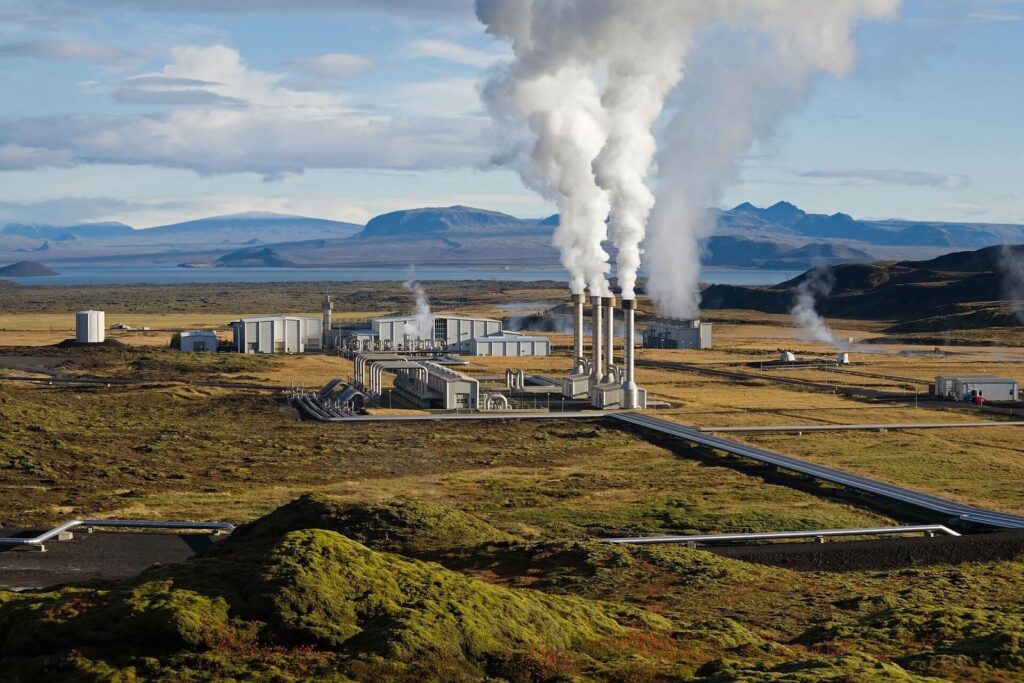
Geothermal energy comes from natural heat stored below the earth s surface. This heat originates deep within the earth s crust and rises in certain regions where it can be accessed through drilling. Hot water and steam are then used to generate electricity or support heating and cooling systems in buildings.
The process is efficient and sustainable, converting underground heat into usable energy without relying on fossil fuels.
Is Geothermal a Renewable Energy Source in the Long Term?
Geothermal energy is considered sustainable because the Earth naturally replenishes geothermal heat over time. This continuous cycle makes it different from fossil fuels, which take millions of years to form and are finite.
When properly managed, geothermal systems can operate for decades without significant loss of output. This reliability makes it one of the most consistent renewable energy source options available today.

Advantages of Geothermal Energy
The advantages of geothermal energy make it an important part of modern clean energy strategies. It produces very low emissions compared to fossil fuels and requires less land than solar or wind installations. It also provides constant energy output regardless of weather conditions.
Geothermal systems are highly effective for heating and cooling buildings, using stable underground temperatures to regulate indoor environments. This reduces energy consumption and improves efficiency.
Disadvantages of Geothermal Energy
The disadvantages of geothermal energy include high upfront costs, as drilling into the earth s crust and building geothermal systems requires significant investment. It is also limited by location, since geothermal heat is not available in all areas, restricting where it can be developed.
Geothermal energy can have some environmental impact, even though it is cleaner than fossil fuels. Construction and drilling may disturb land, and small amounts of underground gases can be released.
Another disadvantage is the risk of reduced efficiency over time if geothermal heat is not properly managed and replenished. In some cases, drilling activities may also lead to minor seismic activity, although this is usually very small.
Geothermal systems also require ongoing maintenance because they operate under extreme heat and pressure, which can cause equipment wear over time.
Environmental Impact of Geothermal Energy
Geothermal energy has a lower environmental impact than fossil fuels because it does not rely on combustion. It reduces greenhouse gas emissions and helps lower dependence on non-renewable resources.
However, some environmental considerations remain, including land use and small gas releases during operation. Despite this, geothermal systems are widely regarded as one of the cleanest forms of energy production available today.
Global Use of Geothermal Energy
Geothermal energy is used in many regions around the world, especially in areas with high geothermal activity. Countries such as Iceland, the United States, and the Philippines use geothermal systems for electricity generation and heating.
The United Kingdom does use geothermal energy, but on a much smaller scale. Unlike Iceland, the UK does not have strong volcanic activity, so it has limited access to high-temperature geothermal resources for electricity generation. However, it does use low-enthalpy geothermal energy for heating and cooling systems, such as ground source heat pumps. These systems take advantage of stable underground temperatures to heat homes and buildings efficiently.
As global demand for renewable energy increases, geothermal heat is becoming more valuable for supporting stable energy systems. Its ability to provide continuous power makes it an important part of future energy planning.
The Future of Geothermal Energy
Geothermal energy is expected to expand as technology improves access to underground heat sources. Advances in drilling techniques and energy systems are making it possible to use geothermal resources in more locations than ever before.
As countries transition away from fossil fuels, geothermal energy will play a growing role in providing reliable, low-emission power. Its consistency and sustainability make it a strong contributor to long-term energy solutions.