
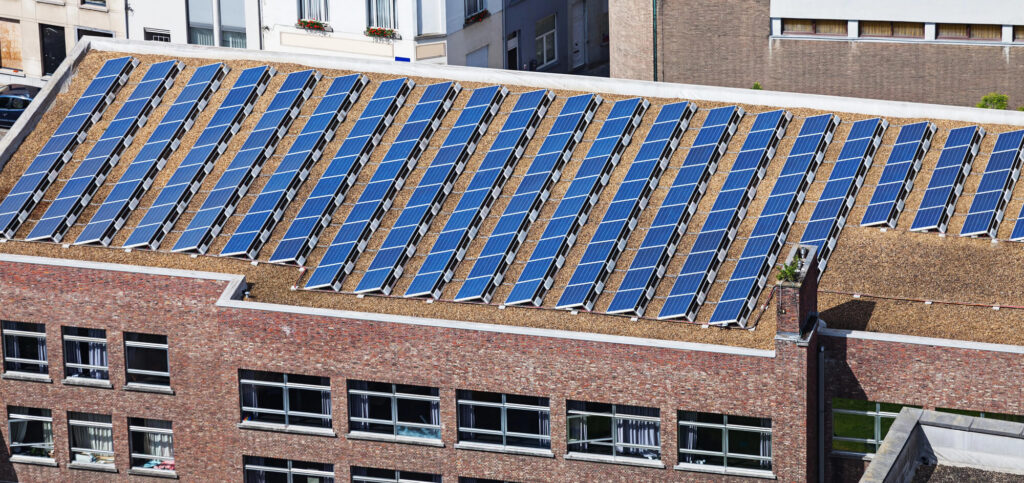
Solar PV is growing fast, so better recycling tech is needed to manage future solar panel waste and recover useful materials.
Why PV Growth Is Raising Recycling Pressure
Solar energy is spreading worldwide, and solar PV is a key part of the move to lower-carbon power. As more pv panels are installed, the need to manage them well at the end of their life will also rise.
PV systems can run for decades, but every install will one day need replacement, refurbishment or removal. That means today’s growth in solar power will create far more solar panel waste later.
The International Energy Agency PV Power Systems Programme has noted the need for more recycling capacity as solar PV use keeps growing. Early planning can help the industry handle future volumes with less strain.
Solar Panel Recycling Tech Needs to Keep Pace
Recycling solar panels means separating materials and recovering them for reuse. Older methods can recover large parts such as glass and aluminium, while new tech aims to recover smaller amounts of valuable material.
Modern pv panels contain glass, aluminium, copper, silicon, polymers and small amounts of valuable metals. Good processing can separate these parts and send them back into supply chains.
Mechanical processing already separates many common materials. Thermal and chemical methods can help recover parts that are harder to remove. Better processes can raise recovery rates and produce cleaner material streams.
Technology also needs to keep up with solar PV manufacturing. New panel designs, materials, and build methods can change recycling needs. Recycling plants must be able to adapt as the PV industry changes.
Recovering More Materials from PV Panels
Recycling solar panels does more than cut solar panel waste. It can also recover usable materials for new use.
Glass makes up a large share of many PV panels and can often be recovered in large amounts. Aluminium frames can also be removed and recycled through standard metal systems.
Other parts are harder to recover. Silicon and silver, for example, need more special treatment. Better tech for these materials could raise the value of end-of-life PV panels.
Research from IEA PVPS shows that retired PV modules could become a major secondary source of materials as global solar PV use grows. That could reduce the need for virgin resources and help supply chains stay strong.
Improving the Economics of Solar Panel Recycling
Recycling tech must also be good for business. Transport, collection, sorting, processing, and material recovery all add to the cost of managing solar panel waste.
When only a small number of pv panels are available, recycling plants may struggle to work efficiently. As more panels reach end of life, larger and steadier waste streams could justify more investment in dedicated recycling plants.
Better tech can also lower processing costs. Faster separation, better recovery, and automated sorting could make recycling solar panels more efficient.
The quality of the recovered materials matters too. Higher-quality outputs are more likely to have useful uses and may bring more value than mixed materials.
Recycling Tech Must Fit Different PV Designs
Not all PV panels are made the same way. Crystalline-silicon products are widely used, but other photovoltaic technologies and newer module designs also exist.
That creates a need for flexible recycling processes. Plants should be able to identify the type and condition of each incoming panel before treatment. Good identification helps decide the right handling and recycling route.
UK waste rules also make responsible management important. GOV.UK guidance says waste electrical and electronic equipment can contain substances that need proper controls during treatment.
For businesses handling large numbers of PV panels, choosing the right recycling route can support both environmental duties and legal compliance.
Supporting a Circular Solar Industry
Stronger recycling can help create a more circular solar industry. Instead of treating old PV panels only as waste, recycling systems can treat them as sources of usable materials.
This can support the wider solar energy supply chain by sending materials back into productive use. It can also ease pressure on natural resources and reduce the impact of extracting and processing virgin materials.
Better recycling systems can add value when they are paired with good collection, tracking and end-of-life planning. Businesses can prepare for future waste volumes by thinking about recycling needs when they install or replace pv systems.
What Businesses Should Consider
Businesses that run solar systems should plan for the full life cycle of their PV systems. That includes how panels will be collected, moved, and processed when they are no longer fit for use.
Reuse and recycling are not always the same. Some panels may still be fit for further use after proper checks, while damaged or unsuitable panels may need recycling.
Early planning can make solar panel waste easier to manage. Businesses can also cut disposal risks by using proper waste providers and making sure panels go to suitable treatment plants.
The Future of Recycling Solar Panels
The continued growth of solar PV will make end-of-life management more important. Recycling tech must keep improving as the number of installed PV panels rises.
Better processing can improve material recovery, support resource efficiency and create chances for recovered materials to return to the economy. At the same time, recycling plants need to stay flexible enough to handle changes in photovoltaic PV technology.
The future of solar energy depends on more than new panel installs. It also depends on good management of the equipment already in use.
Rapid growth in solar PV will eventually create much larger volumes of solar panel waste. Keeping recycling technology in step with that growth can help recover useful materials and support a more circular solar industry.
As PV systems continue to grow, effective recycling will become an ever more important part of managing the full life cycle of solar technology.