
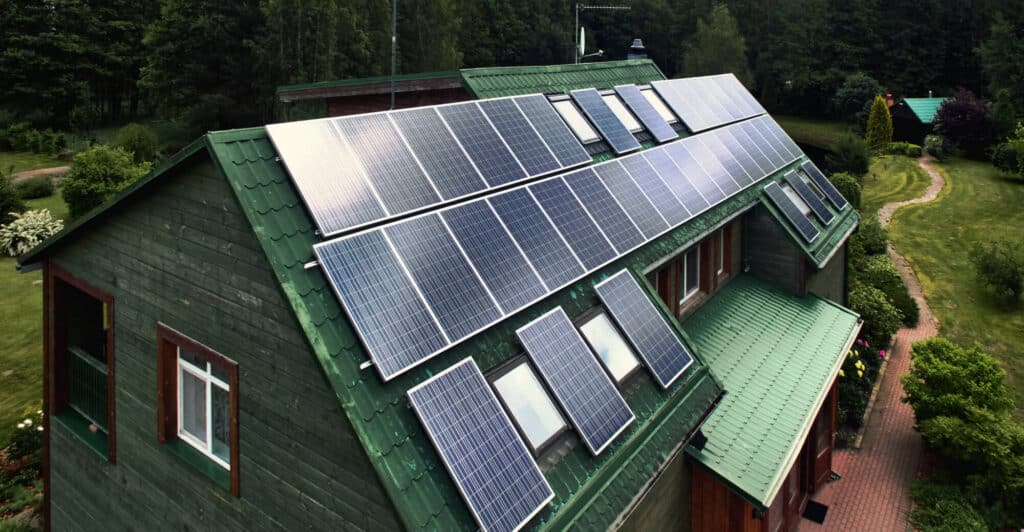
Solar power and solar PV are growing fast. That means more PV modules will one day reach end of life. Better solar panel recycling can help cut demand for new raw materials. By recovering glass, aluminium, copper, silicon and silver from old panels, the industry can put useful resources back into the supply chain. The impact depends on recycling rates, recovery quality, processing capacity and whether recycled materials can replace virgin inputs in new products.
Better PV recycling can recover glass, metals, silicon and other valuable materials from end-of-life solar panels. That helps reduce waste and supports a circular economy.
Why Raw Materials Matter for Solar Panels
PV panels contain several materials needed to make new equipment. Crystalline silicon panels usually contain glass, aluminium, silicon, copper, polymers and small amounts of other metals. Silver is also used in many solar cells.
As solar energy deployment grows, manufacturers need steady access to these resources. Raw material extraction can use a lot of energy, water, infrastructure and transport. Recycling cannot remove the need for primary materials completely, but it can add a secondary supply stream.
This makes material recovery an important part of sustainable renewable energy development. When valuable resources are recovered from existing products, fewer new resources may need to be extracted and processed.
How Better PV Recycling Could Reduce Demand
The main gain comes from keeping materials in use for longer. Instead of treating an old panel as waste, the recycling process can separate useful parts and prepare them for more processing.
Glass is especially important because it makes up much of the weight of many PV modules. Recovering clean glass can reduce the need for new raw materials in suitable uses. Aluminium frames and copper cables are also valuable because existing recycling systems already handle these metals.
Higher-value recovery adds more options. Modern solar panel recycling methods are increasingly focused on recovering silicon and silver at useful yields and purity levels. Better separation methods can make it easier to recover materials that were once hard or expensive to process.
The quality of recovered materials still matters. If recycled outputs meet manufacturer needs, they can become a practical secondary feedstock for the supply chain.
The Role of Efficient Recycling
Efficient recycling is about more than processing a lot of panels. The recycling process needs to recover materials at the right quality while keeping energy use, transport and processing costs under control.
Mechanical separation can recover materials such as glass, aluminium and copper. More advanced approaches may add thermal or chemical steps to separate more parts.
Research and development continue to improve these methods. Better separation, higher material purity and more efficient processing can increase the amount of valuable material recovered from each panel.
Efficient recycling can also create an economic benefit. When recovered materials have enough market value, they can help support commercial recycling facilities and encourage investment in better treatment systems.
Can Recycled Materials Replace Virgin Resources?
The answer depends on the material, its recovered quality and the use case. Recycled aluminium and copper can enter established material markets. Glass can also be recovered in significant quantities, although its value depends on cleanliness and the needs of the next application.
Silicon and silver are harder to recover because they sit inside the solar cell structure and are present in smaller amounts. Recovering them needs suitable technology and downstream processing.
Even so, the environmental benefits can be significant. Using secondary materials can reduce reliance on raw material extraction and help conserve resources. It can also reduce some of the impacts linked to making materials from newly extracted inputs.
However, recycling should complement primary material production, not fully replace it. Growing solar deployment will still create demand for new materials, while recycling can provide an extra resource stream.
Why Better PV Recycling Is Not Enough on Its Own
Recycling is only one part of the wider resource challenge. Solar manufacturers are also working to improve panel efficiency, reduce material use and design products that are easier to recover.
Panel design has a direct effect on future recycling. Modules that are easier to dismantle and separate may let recycling facilities recover more materials with fewer steps.
Collection and logistics are just as important. End-of-life solar panels must reach the right facilities in enough quantity. Poor collection systems can raise transport costs and make material recovery less efficient.
Better waste management can therefore support the whole recycling system. Businesses, manufacturers and solar operators can help by planning how panels will be collected and managed before they reach the end of their useful life.
Building a More Circular PV Supply Chain
A stronger recycling system can connect end-of-life panels with future manufacturing demand. Instead of seeing retired modules only as waste, businesses can treat them as a source of valuable materials.
This supports the circular economy by keeping resources in use for longer. It can also strengthen the supply chain by creating an extra source of materials alongside mining and other forms of raw material production.
As the global solar industry expands, more panels will reach end of life. That creates a growing opportunity for solar panel recycling to recover materials that might otherwise be lost.
The Economic and Environmental Benefits
Better PV recycling can deliver both economic and environmental benefits. Recovering valuable materials can create demand for recycling services, support specialist facilities and reduce the amount of waste sent for disposal.
There are resource benefits too. Reusing materials already present in discarded panels can reduce pressure on virgin resources and limit the need for more raw material extraction.
For the solar industry, this creates a more resource-efficient model. Materials recovered through recycling can return to industrial supply chains instead of being permanently removed from productive use.
Businesses can support this shift by choosing responsible recycling partners and using proper waste management systems for solar panel waste.
Could Better PV Recycling Reduce Demand for New Raw Materials?
Yes. Better PV recycling can reduce demand for virgin raw materials, although it cannot remove the need for primary resources. Its impact depends on collection rates, recycling capacity, material quality, technology and market demand.
Continued research and development can improve recovery methods, while better panel design can make future recycling more efficient. Stronger collection networks can also help more end-of-life modules reach suitable facilities.
As solar energy becomes a larger part of the energy mix, effective material recovery will matter more. Better recycling can turn end-of-life PV modules into valuable resources, support a circular economy, and help build a more resilient supply chain.
For businesses that need support with end-of-life solar panels, a natural next step is to explore PV recycling services and see how responsible collection and recycling can support their waste management needs.