
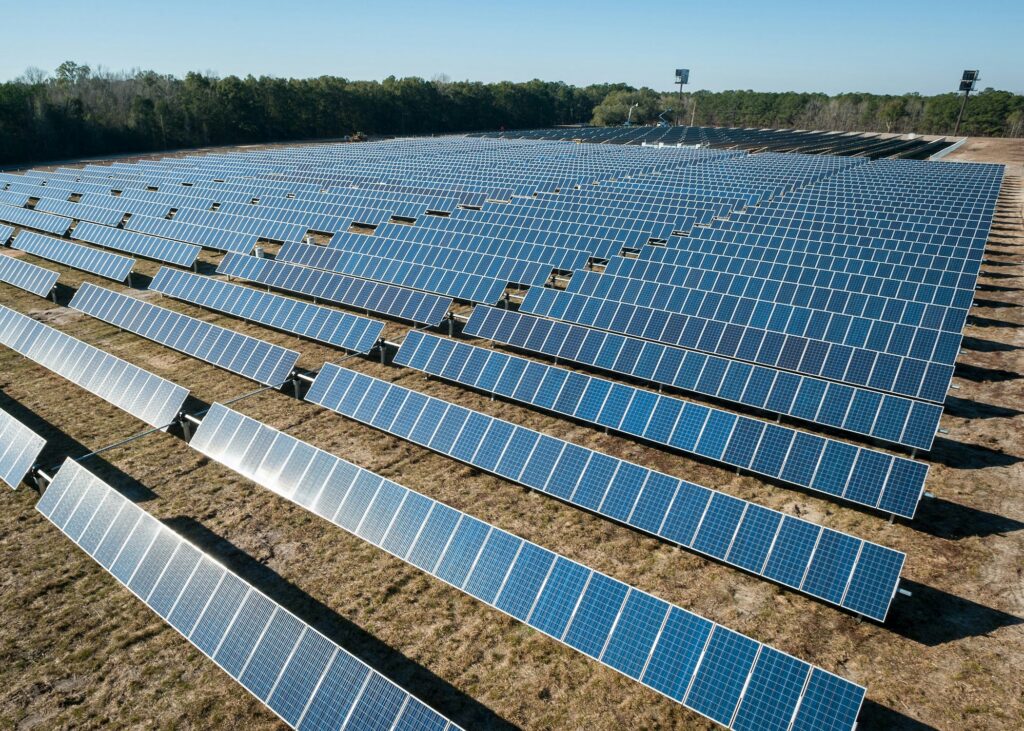

Countries can transition to 100% renewable energy by implementing strong government policies, investing in solar, wind, hydro, and energy storage infrastructure, modernising the grid, promoting innovation, and educating citizens.
Benefits of 100% Renewable Energy
From solar farms and wind turbines to advanced energy storage systems, countries are investing in diverse technologies that support cleaner, more sustainable energy production.
These initiatives drive grid stability, reduce greenhouse gas emissions, and help meet UK renewable energy targets while improving residential and commercial efficiency.
Step-by-Step Strategies to Transition
Implement Strong Government Policies
- Set renewable energy targets
- Offer tax incentives and carbon pricing
Invest in Renewable Energy Infrastructure
Solar farms – Large-scale electricity generation
Wind turbines – Onshore and offshore

Hydroelectric plants – Stable renewable electricity

Battery storage systems – Store energy for peak demand

Modernise the National Grid
- Smart grids for real-time energy management
- Efficient transmission lines reduce losses
Promote Circular Energy & Recycling
- Recycle batteries and recover materials through battery recycling solutions
- Supports sustainable energy storage and reduces hazardous waste
Encourage Innovation & Emerging Technologies
- Green hydrogen production
- Advanced battery storage
- Geothermal and wave energy
- Smart energy management systems
Provide Financial Incentives
- Green bonds
- Low-interest climate loans
- Public-private partnerships
Educate and Engage Citizens
- Promote energy efficiency – Energy Efficiency Tips for UK Households
- Increase awareness of renewable benefits
- Encourage participation in community energy projects
